
The alliance of terror: Kinshasa, the FDLR and the unravelling of the Congolese state
An analytical critique of the alliance between the Congolese government and the FDLR, this opinion piece demonstrates that the security crisis in the Democratic Republic of the Congo stems primarily from an internal failure. Attributing all of the Congo's woes to Kigali serves to obscure the systemic governance deficiencies as well as the progressive collapse of the state apparatus.
The Democratic Republic of the Congo (DRC) is going through one of the gravest security, political and institutional crises in its modern history. Faced with the chronic inability of the government in Kinshasa, led by Félix Tshisekedi, to govern the national territory effectively and to answer the legitimate aspirations of the population, those in power resort systematically to populist and bellicose rhetoric. Rwanda has thus been chosen as a convenient scapegoat to divert citizens’ attention from the failures of domestic governance.
1. The scapegoat strategy and the structural failure of the Kinshasa government
On this reading, accusing Kigali is merely a pretext meant to mask the government’s inability to guarantee public security, revive the economy and provide lasting answers to the nation’s existential questions. Yet the conflict tearing eastern DRC apart is fundamentally internal. Its roots lie in decades of bad governance, political marginalisation, endemic corruption and institutionalised discrimination orchestrated from the top of the state.
By focusing public debate on an alleged one-sided foreign aggression, Kinshasa seeks to legitimise unnatural alliances and to absolve itself of its historic responsibility for the country’s descent into chaos. Beyond the Kivus, the observation is unforgiving: the Congolese state has never exercised full and effective sovereignty over its immense territory.
“Before the rise of the AFC/M23, the two Kivus despite the nominal presence of governors in Goma and Bukavu — were never fully governed by Kinshasa. Vast entities, territories, national parks and forests had already slipped out of state control.”
In this space of vacant sovereignty, many areas escaped central authority entirely. Entities such as Kanyabayonga, Rutshuru, Beni and Walikale in North Kivu, or Mwenga, Fizi-Baraka and Itombwe in South Kivu, were in practice administered by auxiliary forces, assorted armed groups, the FDLR, the ADF-Nalu, or under Monusco’s tutelage. This chronic absence of the state is also visible far beyond the east: Ituri, Kwamouth and the vast expanses of Équateur, Bandundu, Kasaï and North Katanga face comparable situations, where famine, epidemics and insecurity rage amid general indifference from Kinshasa.
2. The organic and military alliance between Kinshasa and the FDLR
At the heart of the Kinshasa government’s military strategy lies, the author argues, a compromise as dangerous as it is opaque: an organic alliance with the Democratic Forces for the Liberation of Rwanda (FDLR), an armed movement made up of former Rwandan génocidaires responsible for the 1994 genocide against the Tutsi. Far from being marginalised refugees, the FDLR are said to be today a favoured military auxiliary of the Congolese army (FARDC). The Kinshasa government is alleged to arm, finance and actively supervise these militiamen in order to destabilise Rwanda and attempt to overthrow the government in Kigali.
This collaboration is said to go beyond a mere one-off tactical partnership. It is alleged to have been institutionalised through a deep interpenetration of Congolese security structures. Breaking free of the FDLR would now be extremely difficult, so heavily armed and so deeply embedded are they in the various layers of the state security apparatus notably within the Wazalendo auxiliary militias, the FARDC themselves, the DMIAP (military intelligence directorate) and the Republican Guard.
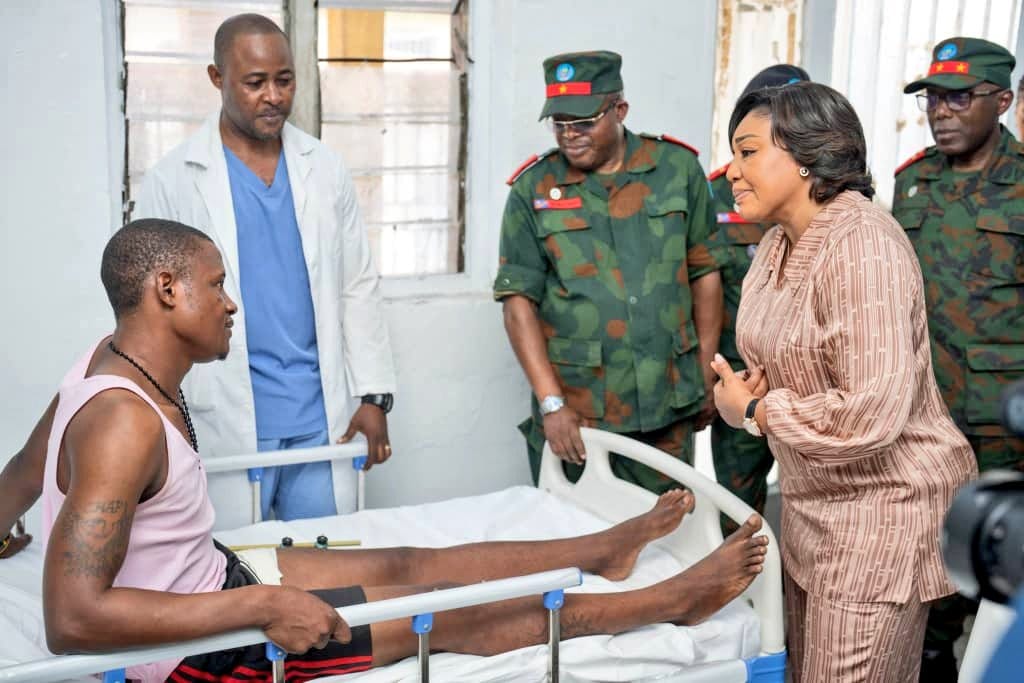
Faced with recurrent international pressure, Kinshasa regularly waves the mirage of an "FDLR demilitarisation plan". Far from credible, the initiative would amount to a diplomatic diversion. The Congolese government would be neither willing nor ready to free itself from the FDLR, which it is said to regard as an indispensable instrument of threat and blackmail against its Rwandan neighbour. This ambiguous posture plunges the authorities into a permanent dilemma, producing contradictory official narratives that collapse against the reality on the ground.
3. Burundi’s role and the coalition against the Banyamulenge
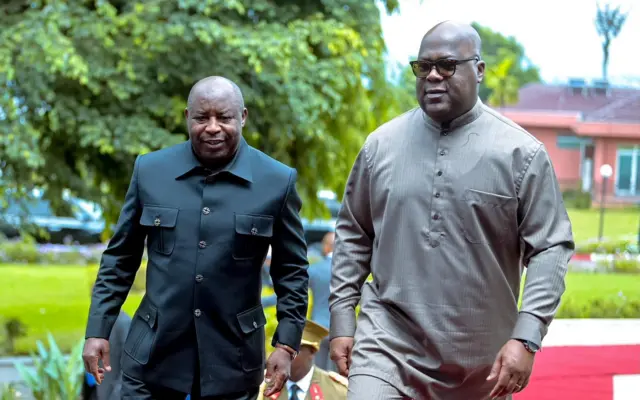
The regional geopolitical machination is said not to stop at the DRC’s borders. Burundi, under Évariste Ndayishimiye, is alleged to play a leading role as a strategic and logistical rear base for the FDLR. On Burundian soil, they would benefit from safe havens, training camps and logistical support from the authorities in Gitega. The Burundian government is also said to find substantial economic interests in the DRC’s chronic instability.
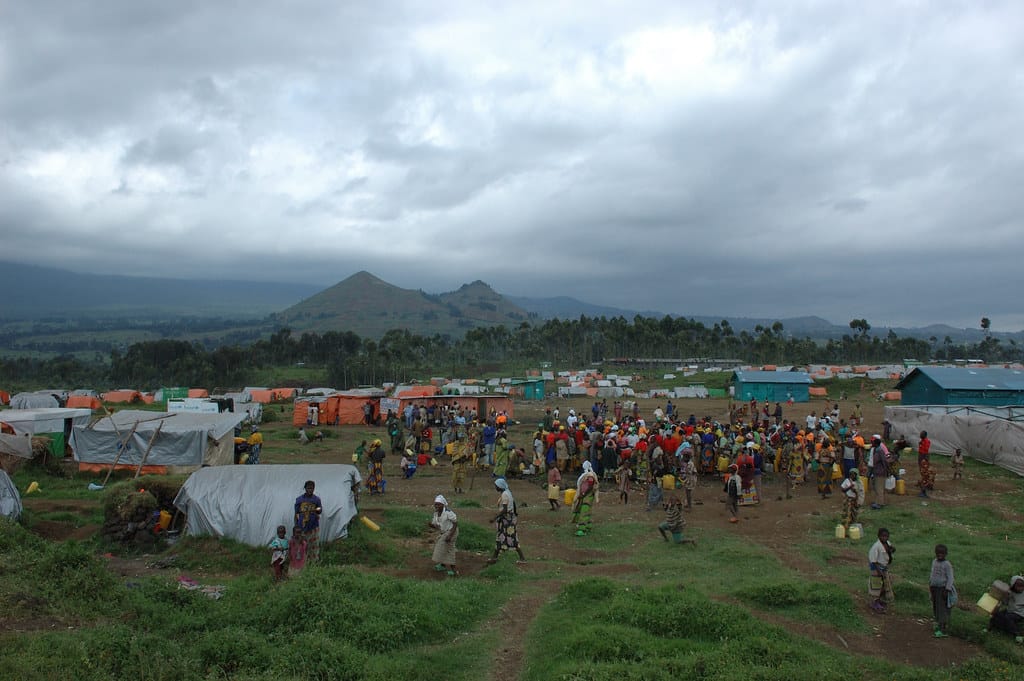
This regional alliance finds its most tragic expression in the systematic persecution of Tutsi populations in the two Kivus, and particularly of the Banyamulenge community in Minembwe. The Banyamulenge face a policy of targeted extermination carried out by a coalition bringing together the FARDC, the Burundian army (FDN), the FDLR and the Wazalendo militias. This coalition operates in synergy to perpetuate large-scale massacres, village burnings, forced displacement and massive land dispossession.
Anti-Tutsi discourse is openly encouraged and normalised by circles of power in Kinshasa. It translates into daily acts of terror, including the use of armed combat drones to bomb civilian areas inhabited by Congolese Tutsi. This methodical ethnic cleansing aims to erase any historic presence of minorities deemed undesirable by the exclusionary nationalism cultivated at the top of the state.
4. The legitimacy of the AFC/M23 struggle and the failure of the state myth
It is in this context of institutionalised persecution and state failure that the Congo River Alliance (AFC) and the March 23 Movement (M23) arose. On this analysis, the AFC/M23 is fighting legitimately for the protection of ethnic minorities in the DRC notably Congolese Tutsi and other marginalised communities who are victims of systemic discrimination, political marginalisation and massacres carried out with the tacit or active blessing of Kinshasa.
Faced with a security vacuum and the violence of government militias, the AFC/M23 would appear as an alternative of governance and protection for populations left to their fate. A question then arises: in the absence of the AFC/M23, who would take on governance and security in these regions? The Wazalendo militias, immediately disintegrating, would return to their original criminal violence; the FDLR would rush to reconquer their former strongholds; and one would witness the mass return of an ineffective international presence.
The historic question of the weakness, even the non-existence, of the state in the "deep Congo" cannot be avoided. The Kinshasa government has institutionalised recourse to ethnic militias, financing and supervising the various Mai-Mai groups gathered under the "Wazalendo" label to wage a proxy war against the AFC/M23. This policy of subcontracting security demonstrates the central authorities’ inability to restore order by legitimate republican means.
5. Katanga, Bandundu and the capital under the yoke of violence
The failure of the Tshisekedi government’s rule is not confined to the powder keg of the east. In Greater Katanga, the security situation is alarming. Repeated militia attacks in Mitwaba and Bukama reflect popular exasperation at the mistreatment, persecution and contempt that Katangans believe they suffer at the hands of the central authorities. This anger is fuelled by a plunder of Katanga’s mineral resources attributed to Félix Tshisekedi’s immediate circle and family, stripping provincial wealth for the benefit of a kleptocratic oligarchy.
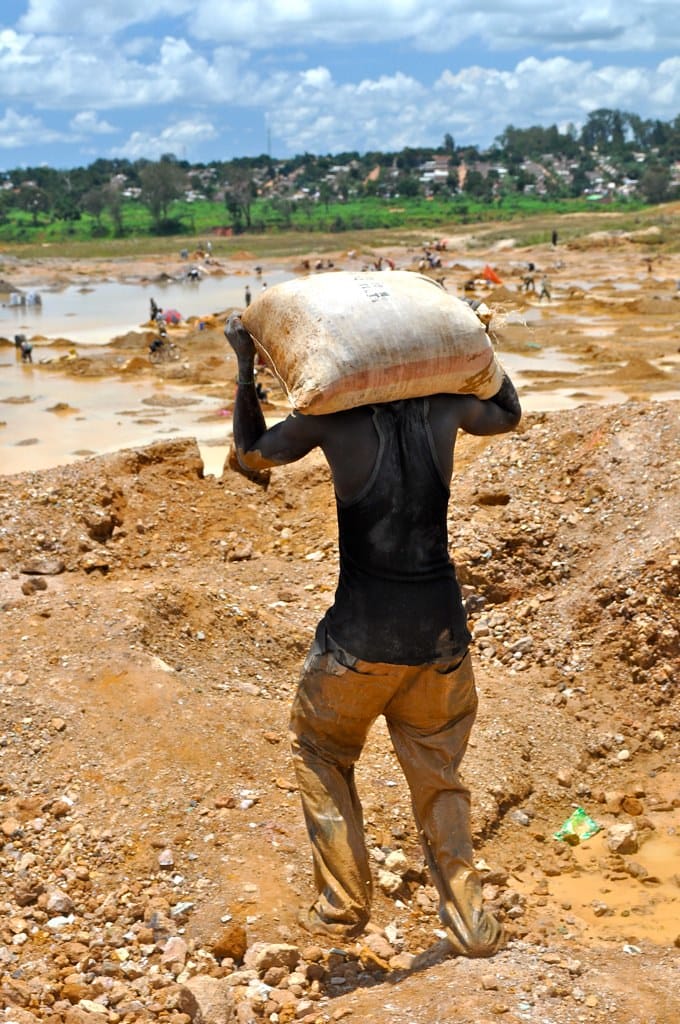
Terror, arbitrary arrests, targeted killings, enforced disappearances and exile have become the daily lot of Katangans who dare to voice disagreement. In parallel, the criminal "Kuluna" phenomenon bereaves families every day in the capital, Kinshasa, without the government managing to stem this endemic urban insecurity.
In Bandundu province, the insurrectional and inter-communal "Mobondo" phenomenon has spread uncontrollably, ravaging the region right up to the gates of Kinshasa. This extension of violence to the doorstep of central power illustrates the collapse of the security apparatus and the government’s inability to protect citizens across the national territory.
6. Alternatives and post-conflict scenarios
Examining the DRC’s security dynamics leads to one conclusion: the current status quo is untenable. The palliative solutions proposed by Kinshasa informal integration of auxiliaries, expedient geopolitical agreements rapidly violated would only deepen the country’s fracturing. The FDLR, elevated into a pillar of unofficial national defence, would constitute an existential threat not only to neighbouring countries but first and foremost to the very survival of the Congolese nation.
Scenarios of a unilateral withdrawal of rebel forces without a deep change of political paradigm in Kinshasa would open the way to humanitarian chaos on an unprecedented scale. The civilian populations of the Kivus, already bled white by decades of massacres, would find themselves at the mercy of militia coalitions and of a state incapable of guaranteeing the minimum republican pact. Rebuilding the DRC will require a total refounding of the institutional architecture, the eradication of hateful ideologies and recognition of the inalienable rights of all national minorities to citizenship and security.
7. Towards a deep refounding of the Congolese state
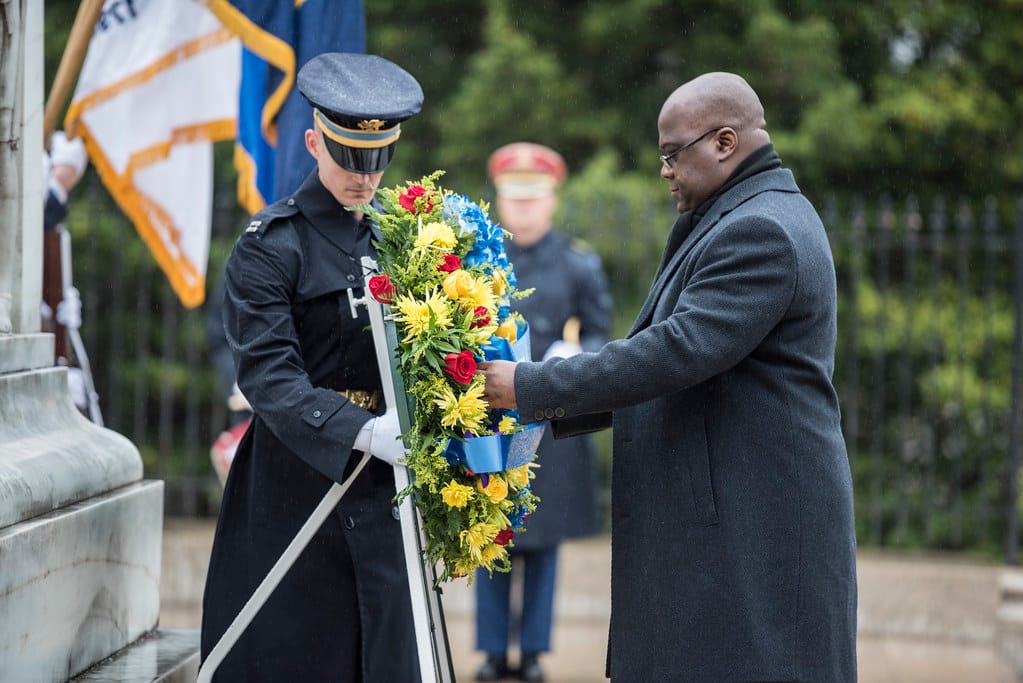
In sum, this analysis argues that Félix Tshisekedi’s government bears central responsibility for perpetuating the security chaos in eastern DRC and for its extension to other mining and strategic provinces. By allying with the FDLR, arming and financing tribal militias, allowing anti-Tutsi discourse to flourish and tolerating the plunder of Katanga’s resources, those in power are said to have consummated their break with the fundamental principles of the rule of law.
The headlong rush to blame Rwanda in order to mask its own failings would no longer fool anyone. The survival of the Democratic Republic of the Congo depends on a collective awakening, the rejection of governance by terror and tribalism, and the advent of a new, inclusive political order guaranteeing the security and dignity of all its daughters and sons, without distinction of origin or ethnicity.
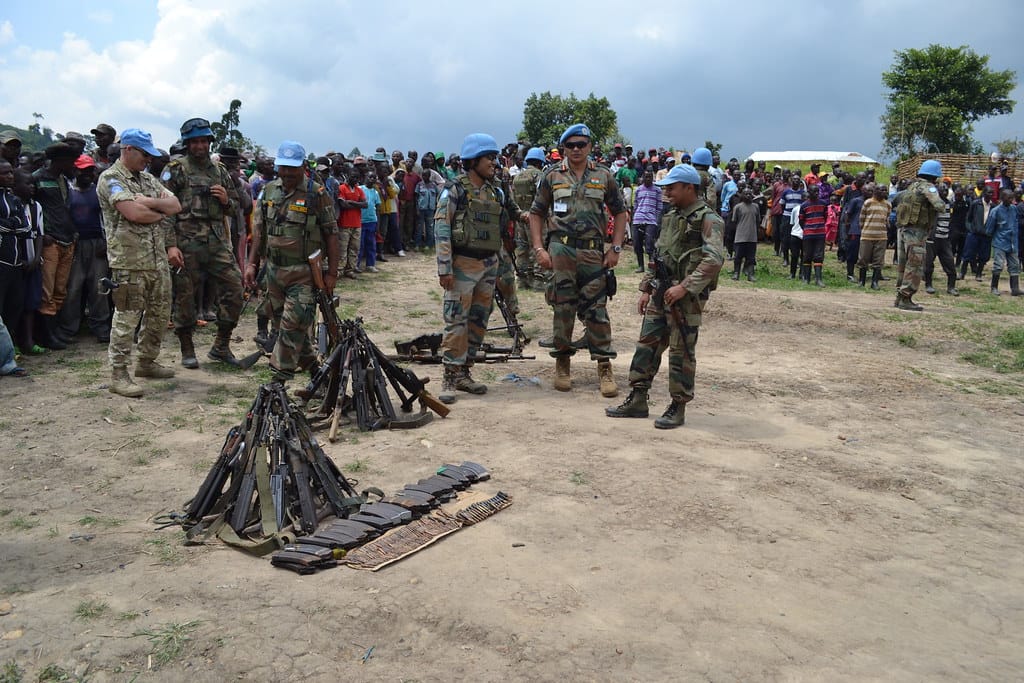
Cover photograph: weapons handover ceremony at Buleusa, North Kivu MONUSCO / Flickr CC BY-SA 2.0. All photographs in this article are used unmodified, under free licences, and credited individually.
Comments
Join in — no account needed.
No one has replied yet. Start the conversation.