
Erik the Prince of Congo, and of its subsoil too
Instead of reforming, restructuring, modernising and motivating its army, the Kinshasa regime has, through sheer irresponsibility, chosen to outsource the country's defence and security. Billions of dollars have gone to mercenaries and other outside players, while the Congolese people sink deeper into extreme poverty and the country lacks even basic infrastructure.
The M23 took up arms again in late 2021, accusing the Congolese government of failing to honour the peace accords signed in 2009, notably on the reintegration of its fighters. It also pointed to a growing climate of hatred, discrimination and persecution of ethnic minorities in eastern DRC.
Faced with the resurgence of the M23, now rebranded the AFC/M23, Kinshasa chose military confrontation over dialogue, which could have tackled the root causes of the conflict. All the while, it paid hypocritical lip service to the various dialogue and mediation initiatives.
To that end, Kinshasa turned to its ally Burundi, and to several thousand Romanian mercenaries, right up until the fall of Goma and Bukavu. The humiliating images of these white mercenaries surrendering went around the world.
Beyond the mercenaries, Kinshasa had also called on South African troops, who likewise were routed in Goma by the Congolese politico-military movement AFC/M23.
An army of tramps and a corrupt general staff
On 13 December 2025 in Kinshasa, the President of the Democratic Republic of Congo, Félix Tshisekedi, declared: "When I took over the leadership of this country, pardon the expression, I found an army of tramps."
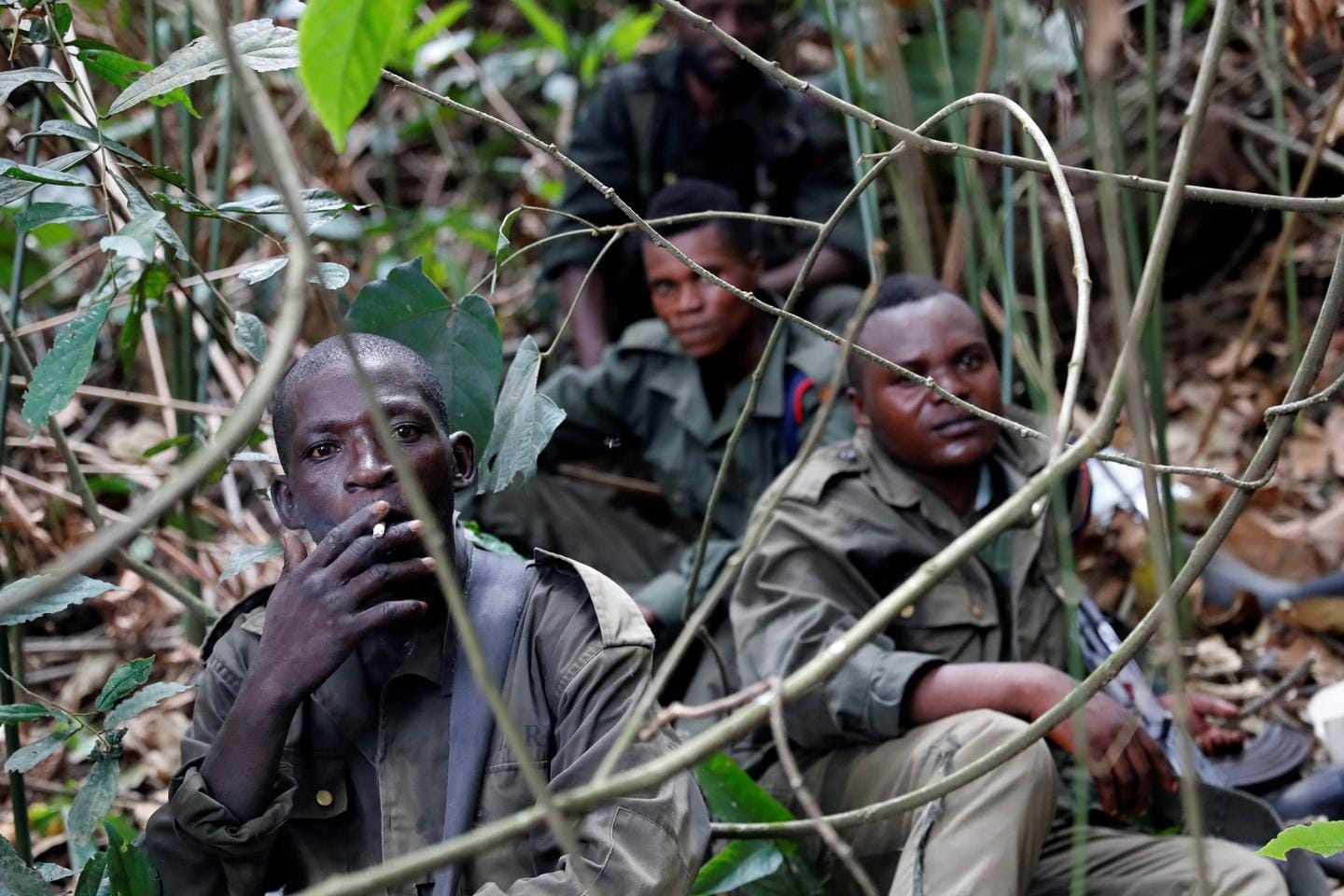
The Congolese army exists only on paper, a "cardboard lion". Despite a headcount of more than 166,700 soldiers, it remains deeply disorganised, and its general staff is riddled with corruption and a well-oiled internal mafia. The procurement of weapons and ammunition is, quite simply, a racket, involving members of President Tshisekedi's family, the military household attached to the presidency, and the army's general staff itself.
On the front line, soldiers are all too often left with ammunition that does not fit their weapons and with counterfeit protective gear, and go short of food rations. Yet since 2021 the Congolese government has spent more than $20bn on defence and security.
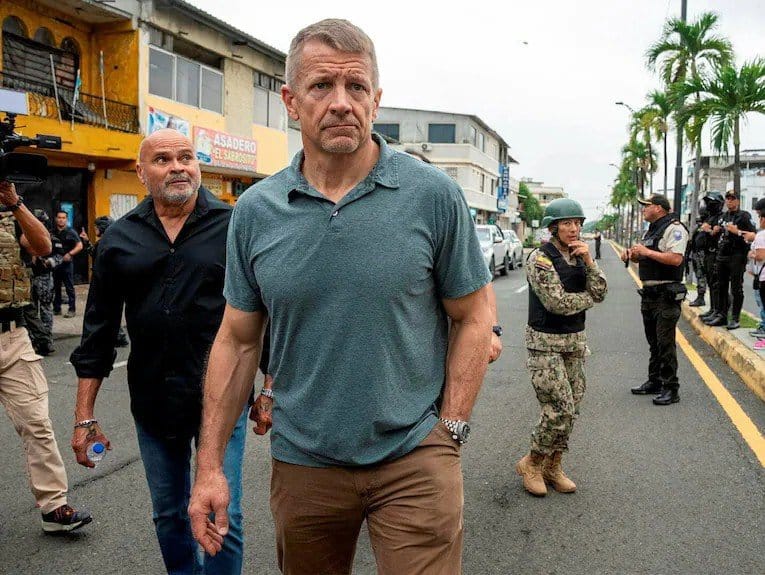
Erik Prince, prince of Congo's subsoil
In December 2024, Erik Prince, the founder of Blackwater, signed a five-year deal through his network of companies. It is valued at between $300m and $400m, or more according to some sources.
Kinshasa's official reason is the protection of mining sites. In reality, the contract is meant to secure military backing in its war against the AFC/M23 in eastern DRC.
Paramilitaries linked to his companies, such as Vectus Global, or operating through intermediary structures, have stepped in to provide logistical and security support, notably around the town of Uvira in South Kivu, after the tensions of late 2025.
According to several sources, mining concessions in Lualaba province have reportedly been granted to Prince in exchange for his military and logistical support in the war in the east. Some of his men, Colombian mercenaries, are said to be deployed in Kinshasa at Camp Tshatshi, a stone's throw from President Tshisekedi's residence, while others are stationed in the N'Sele district.
Instead of reforming, restructuring, modernising and motivating its army, the Kinshasa regime has, through sheer irresponsibility, chosen to outsource the country's defence and security. Billions of dollars have gone to mercenaries and other outside players, while the Congolese people sink deeper into extreme poverty and the country lacks even basic infrastructure.
Comments
Join in — no account needed.
No one has replied yet. Start the conversation.