
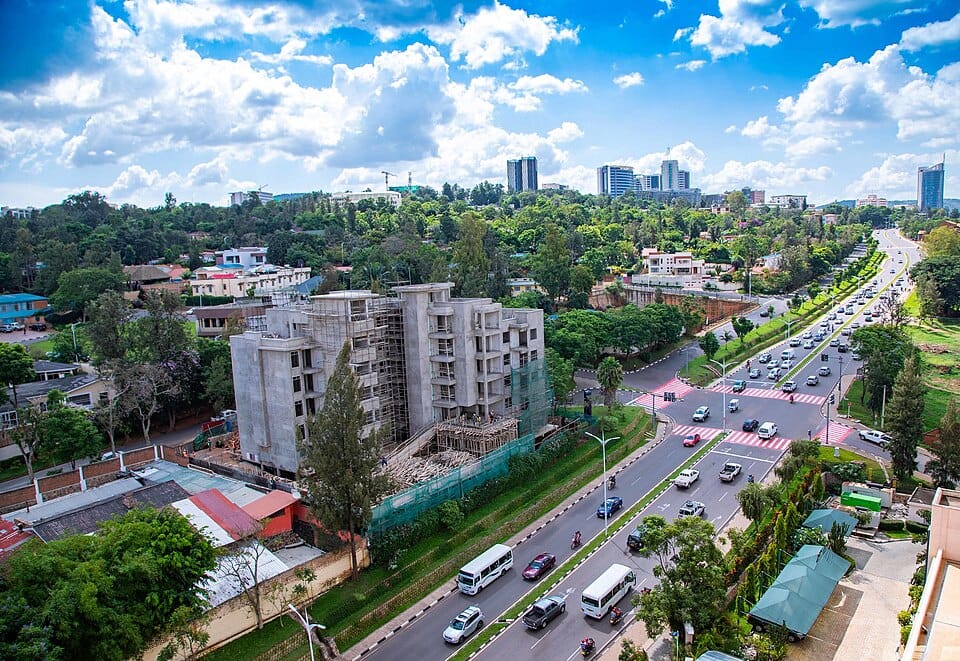
Kigali the beautiful, green jewel of the Great Lakes and East Africa
Kigali is now one of the cleanest and most environmentally friendly cities in Africa, ranking first in Central Africa, East Africa and the Great Lakes region. It also boasts the best internet coverage in the region, along with a high level of security and strong civic-mindedness among its residents. All of this is thanks to the leadership at the helm of Rwanda.
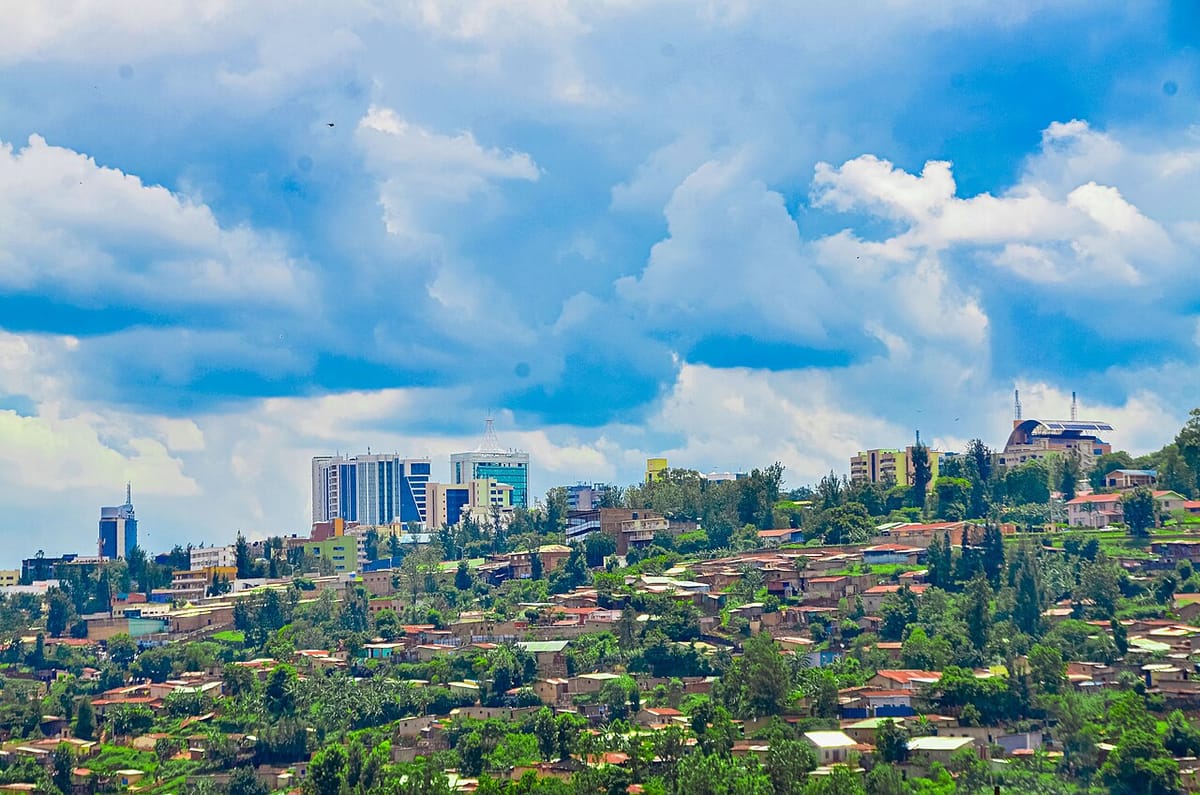
Perched on its thousand hills, Kigali charms from the first glance. For many visitors and observers, the Rwandan capital is now the cleanest and most environmentally friendly city in Central Africa, East Africa and the Great Lakes region. Its immaculate avenues, clean air and peaceful atmosphere have earned it a reputation that reaches well beyond Rwanda's borders.
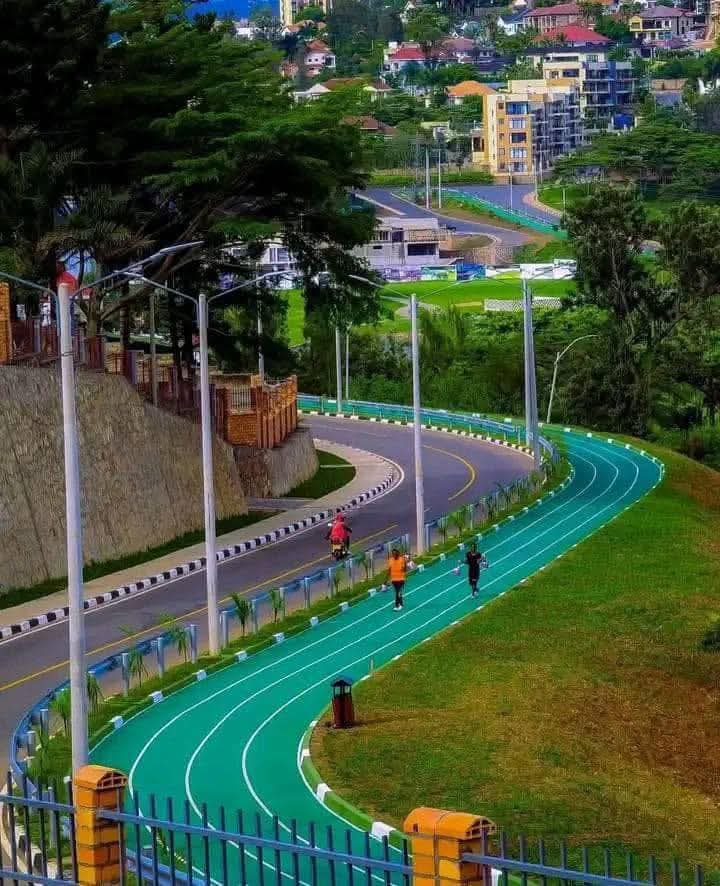
This success goes beyond urban planning. Kigali is the embodiment of Rwandan resilience. In 1994, the genocide against the Tutsi left the country devastated, its institutions destroyed and its social fabric torn apart. Thirty years on, the capital has been rebuilt and has become a symbol of renewal, where the memory of the victims coexists with the determination to build the future.
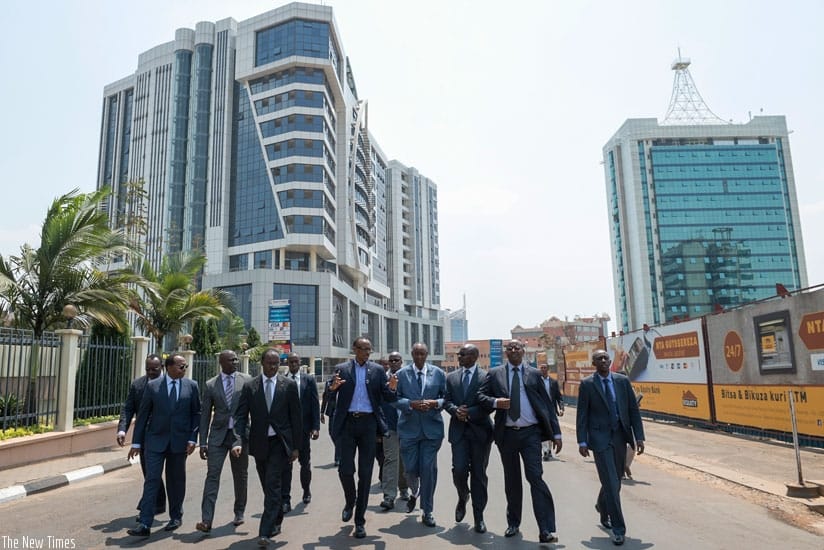
This transformation is inseparable from President Paul Kagame's efforts to modernise his country. Under his leadership, Rwanda is cited by supporters and by many observers as a model of good governance and development, built on discipline, long-term vision and rigorous delivery of public policy. Roads, infrastructure, digital services, conference centres: Kigali is the showcase of this drive for modernisation.
One of the most visible hallmarks of this policy is the ban on plastic packaging. Kigali has outlawed single-use plastic bags and packaging, replacing them with biodegradable alternatives such as paper and other environmentally friendly materials. Enforced for years, the measure has helped keep streets, markets and drains clean.
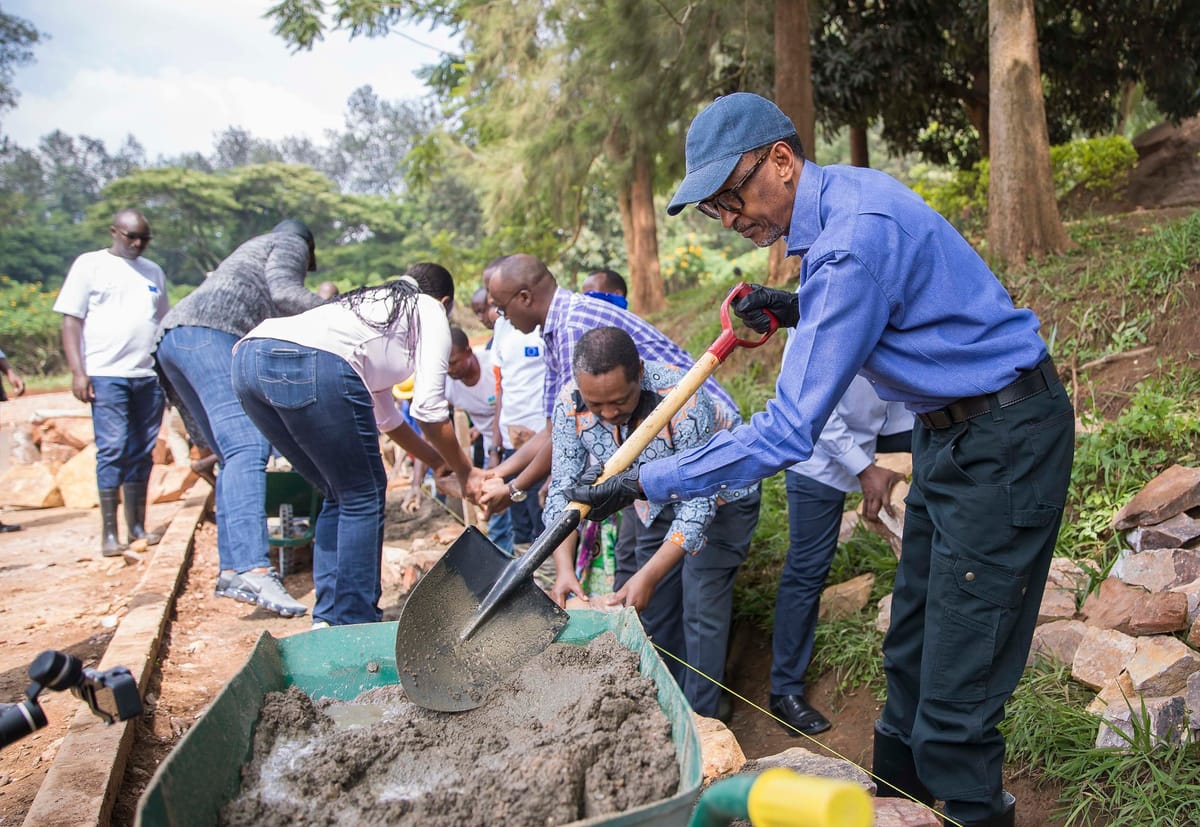
Yet no law would suffice without public buy-in. The residents of Kigali show remarkable civic-mindedness when it comes to hygiene, sanitation and protecting the environment. Everyone feels responsible for their neighbourhood, and Umuganda, the community work held on the last Saturday of every month, sustains a collective spirit in which the common good takes precedence over individual interest.
“This is what Daraja-Media found after travelling the length and breadth of the city. From the centre to the outlying districts, taking in markets and shopping streets, our team met residents. All expressed the same pride in living in a clean, well-kept city, and the same conviction: keeping Kigali clean is everyone's business.”
Kigali is also a green city. Its centre and outlying neighbourhoods alike are adorned with trees, neatly kept lawns and flowers lining the main thoroughfares and roundabouts. It is also regarded as one of the best-connected cities in East Africa and the Great Lakes region when it comes to internet access, an asset for businesses, start-ups and students.
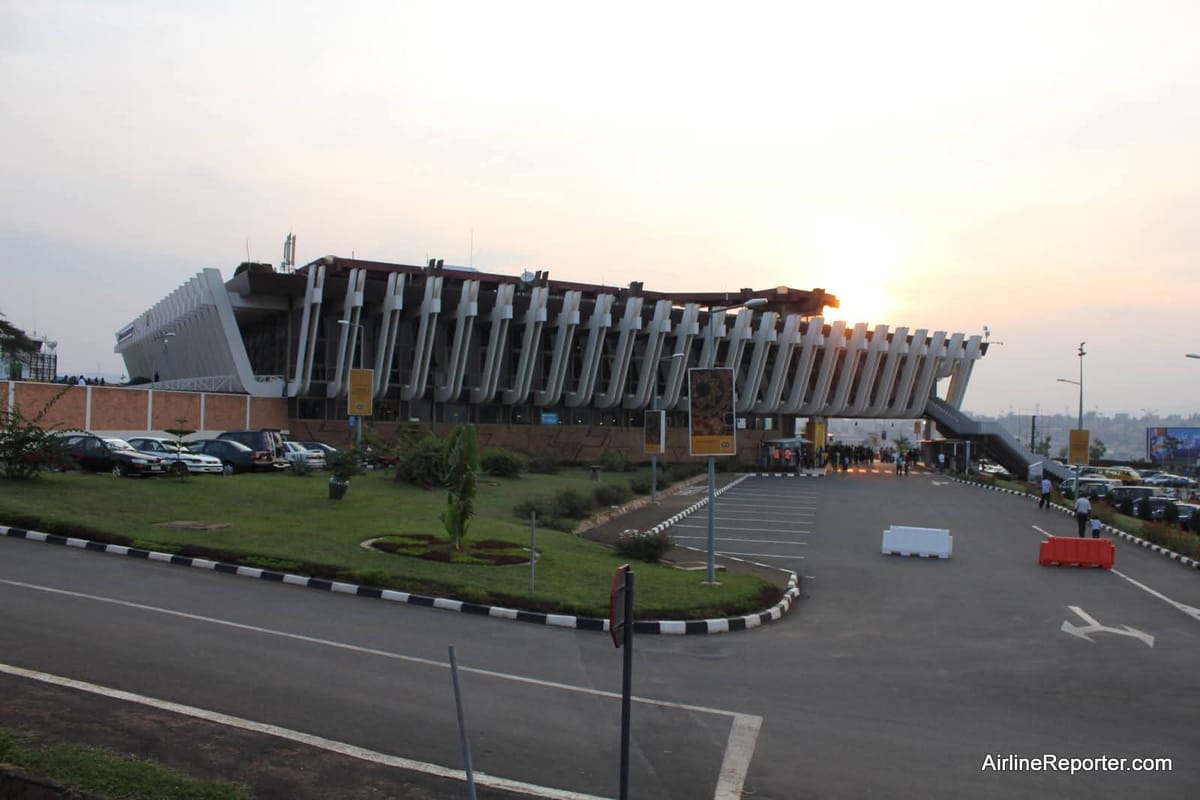
Added to this is a widely shared sense of security. Urban crime and banditry are very rare, and people can move around at any hour without fear. This calm supports trade, tourism and the hosting of major international events, making Kigali a destination of choice for conferences and business travellers.
Just a few miles away, Goma, in eastern DR Congo, is striving to emulate its neighbour's model. The authorities of the Revolutionary Political-Military Movement AFC/M23, who currently administer the city, say they are making genuine efforts to make Goma green and clean, in the image of Kigali.
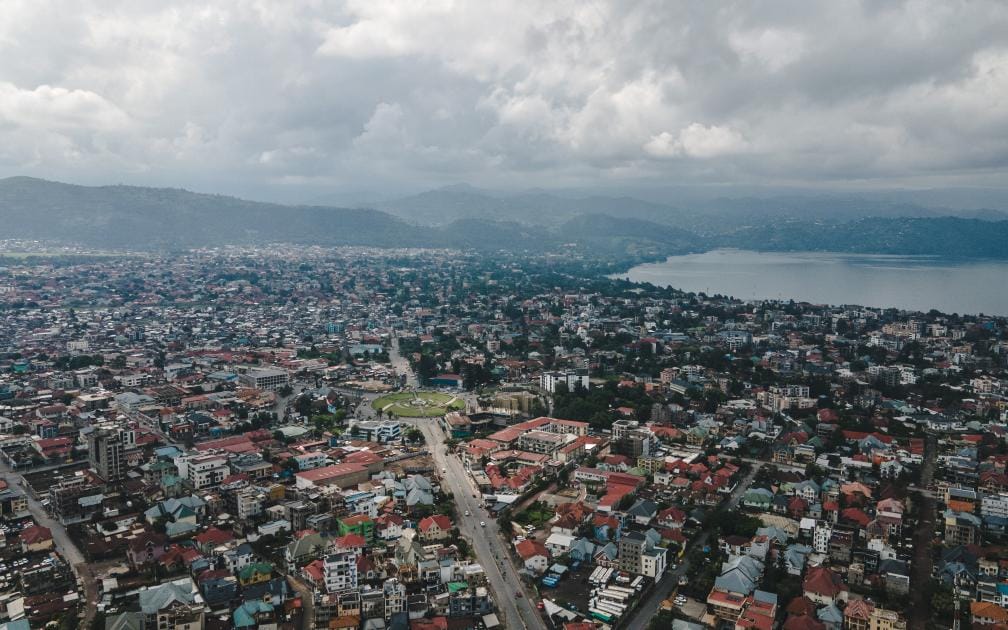
According to them, Goma is now the cleanest city in the DRC, thanks to an environmental policy they describe as exemplary, built on sanitation and public hygiene campaigns.
Beyond cleanliness, these same authorities say they are determined to modernise Goma. They present their work as an effort to give the city a more orderly, more hygienic and more modern living environment, drawing on the Rwandan experience, whose successes are closely watched across the border.
These efforts stand out all the more when set against the situation in Kinshasa. For many years the Congolese capital has struggled with serious sanitation problems: piles of uncollected rubbish, blocked drains and flooding every rainy season. The contrast with Kigali, and now with Goma according to its current authorities, is striking to many residents and visitors alike.
Kigali, in the end, shows that with political will, discipline and a strong sense of the common good, a city can be durably transformed. Its example inspires the entire Great Lakes region, and Goma, embarked on a drive for modernisation and sanitation, is in turn trying to follow that path towards a cleaner, greener and more modern city.
Comments
Join in — no account needed.
No one has replied yet. Start the conversation.