
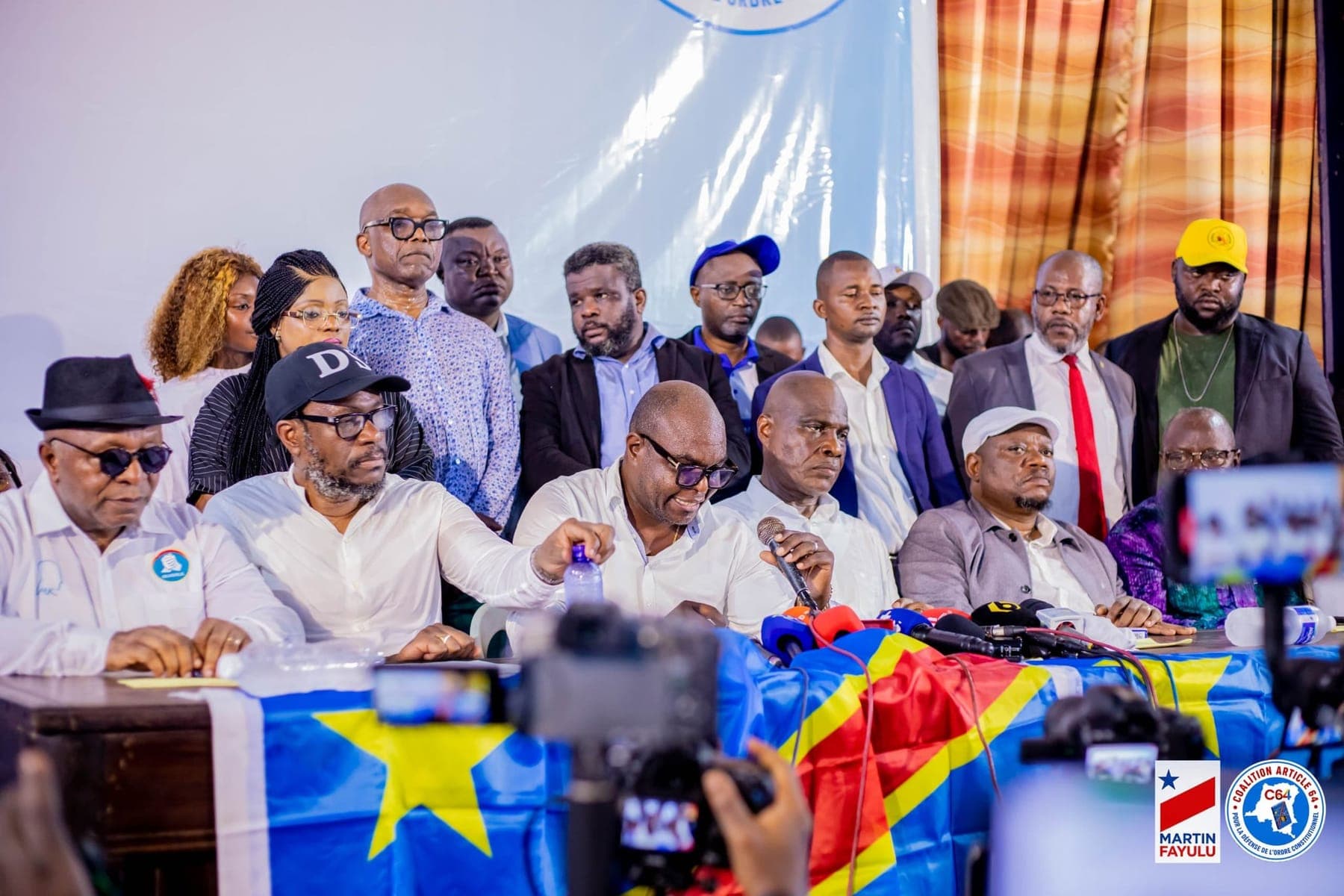
The C64, a Facade Opposition ?
Blackmail, false ultimatums, compromises, and suspected corruption.
Born out of the Congolese political turmoil, the Article 64 Coalition (C64) has established itself on the national political scene by positioning itself as the spearhead of opposition against any attempt to revise or amend the Basic Law. However, behind the slogans defending the constitutional order and repeated calls for popular mobilization, this platform is now caught up in its internal contradictions, strategic hesitation, and a manifest ambiguity that calls its true purpose into question.
Initially, the C64 coalition was structured around a clear and unequivocal objective: to block any project aimed at modifying the Constitution, particularly the entrenched clauses protecting the limitation of presidential terms. Driven by leading figures of the Congolese opposition including prominent leaders such as Martin Fayulu, Moïse Katumbi, Jean-Marc Kabund, Augustin Matata Ponyo, and Delly Sesanga the platform sought to channel popular discontent to build an institutional and civic bulwark against the incumbent regime.
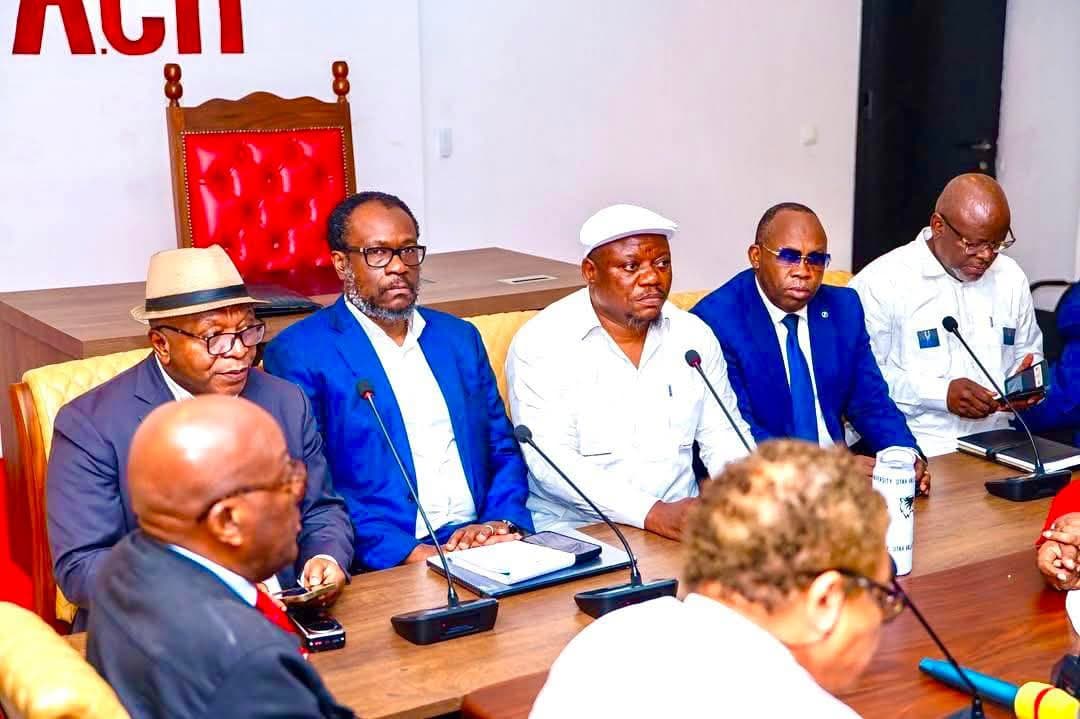
On the ground, the coalition's strategy has oscillated between displays of force and tactical retreats, despite calls to organize sit-ins and peaceful marches to register frontal opposition to Félix Tshisekedi's regime.
However, a fracture line quickly emerged when the coalition's leaders responded favorably to an official invitation. In early July 2026 (specifically around July 6 and 7), the high-ranking members of the C64 traveled to Bujumbura at the invitation of Burundian President Évariste Ndayishimiye a proven ally of Félix Tshisekedi. This trip deeply tarnished the coalition's image, perceived by the public as a sign of compromise where the firmness of the radical opposition was traded for regional backroom deals, far removed from the demands of the street.
Initially brandished to defend the intangibility of the Constitution, the C64 gradually departed from its primary mission. Its demands shifted from a flat refusal of any arrangement to the pressing demand for an inclusive national dialogue a euphemism often synonymous with power-sharing negotiations.
This ideological U-turn highlighted the hesitation and inconsistencies of its leaders. While the coalition's original mandate was to block any attempt at constitutional tampering, the obsession with securing a seat at the negotiating table diluted its doctrine and sowed doubt among its own militant base.
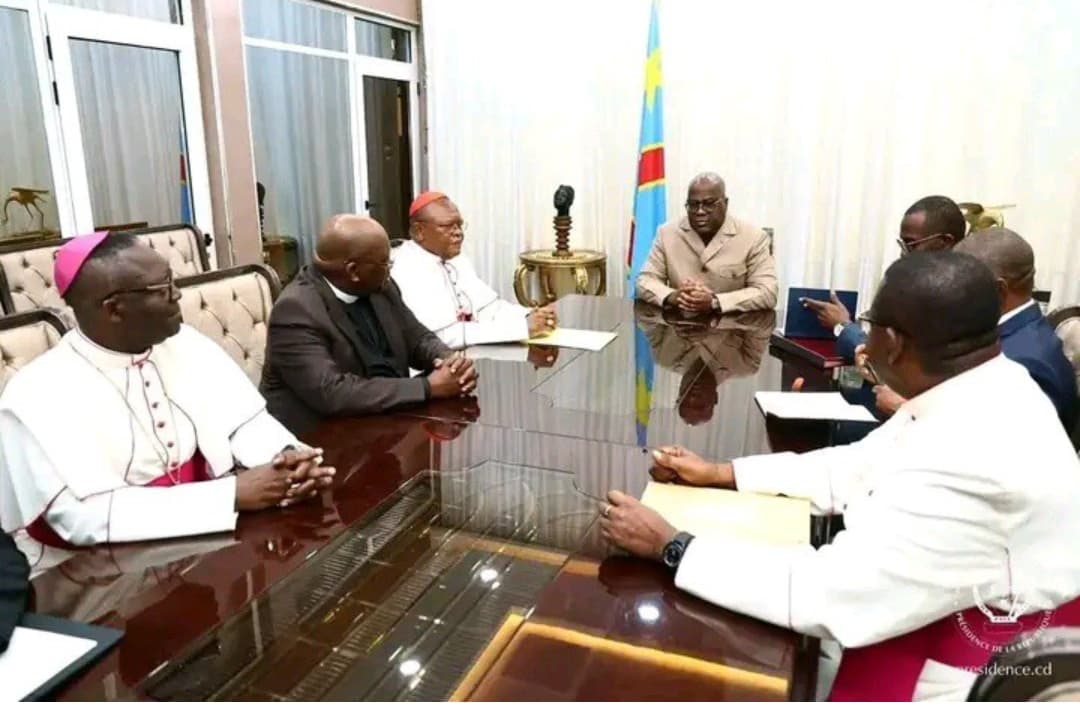
The C64's handling of its schedule illustrates its hesitation and covert arrangements. The coalition had initially set an ultimatum for August 15, brandishing the threat of hardening its stance if President Félix Tshisekedi failed to sign an ordinance convening the dialogue.
Rather than simple procrastination, this stalemate is largely fueled by corruption: the regime in power deployed substantial financial resources to corrupt and buy off the consciences of the main leaders of this opposition coalition. Incapable of maintaining a credible front in the face of these pecuniary largesses, the C64 leadership backed down to grant themselves an opportunistic respite, postponing their ultimatum to September 15. This umpteenth postponement bears witness to an inability to materialize the threats made, reinforcing the impression of an opposition that is bought and subordinated to the political tempo dictated by the parliamentary majority.
Intersecting Economic Interests and a Fool's Game
Beyond public posturing, a close examination of the components of the C64 reveals the presence of actors whose economic and pecuniary interests are intimately linked to the status quo or the good graces of the regime in power. These underground connections and financial pacts paralyze any desire for genuine political confrontation.
In fact, many analysts and political observers agree that the C64 is actually playing Félix Tshisekedi's game. By focusing the debate on the possibility of a dialogue and multiplying empty ultimatums under financial influence, the coalition provides the regime with valuable political cover. Willing or not, it helps legitimize the narrative and the project of constitutional change by transforming a principled struggle into a simple fool's game.
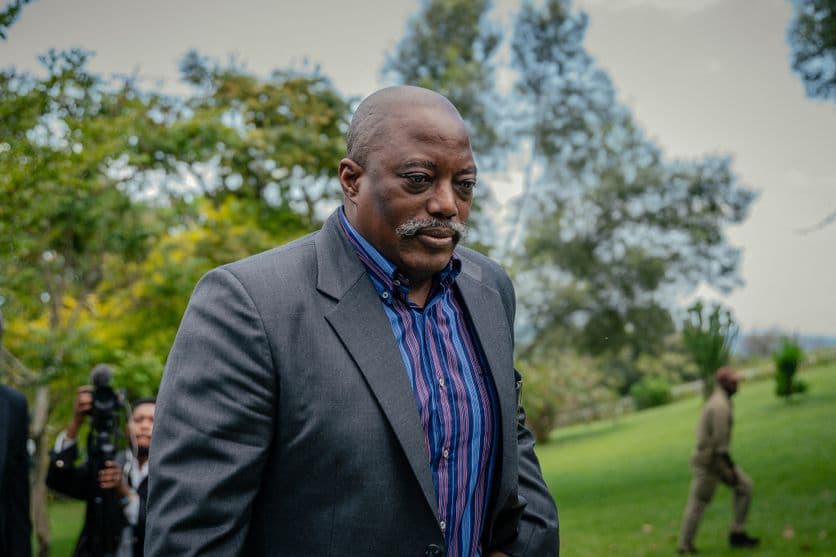
Faced with the errors, venality of leaders, political calculations, and the double game attributed to the C64, the landscape of the opposition and active forces is searching for new points of anchorage. It is into this vacuum of credibility that the Sauvons la RDC coalition, led by the political heirs of former President Joseph Kabila, is gaining ground. Perceived by a growing fringe of the population and analysts as a more structured and less compromised alternative to Kinshasa's maneuvers, it is reclaiming the space of contestation left vacant by a traditional opposition bogged down in its compromises.
Comments
Join in — no account needed.
No one has replied yet. Start the conversation.