
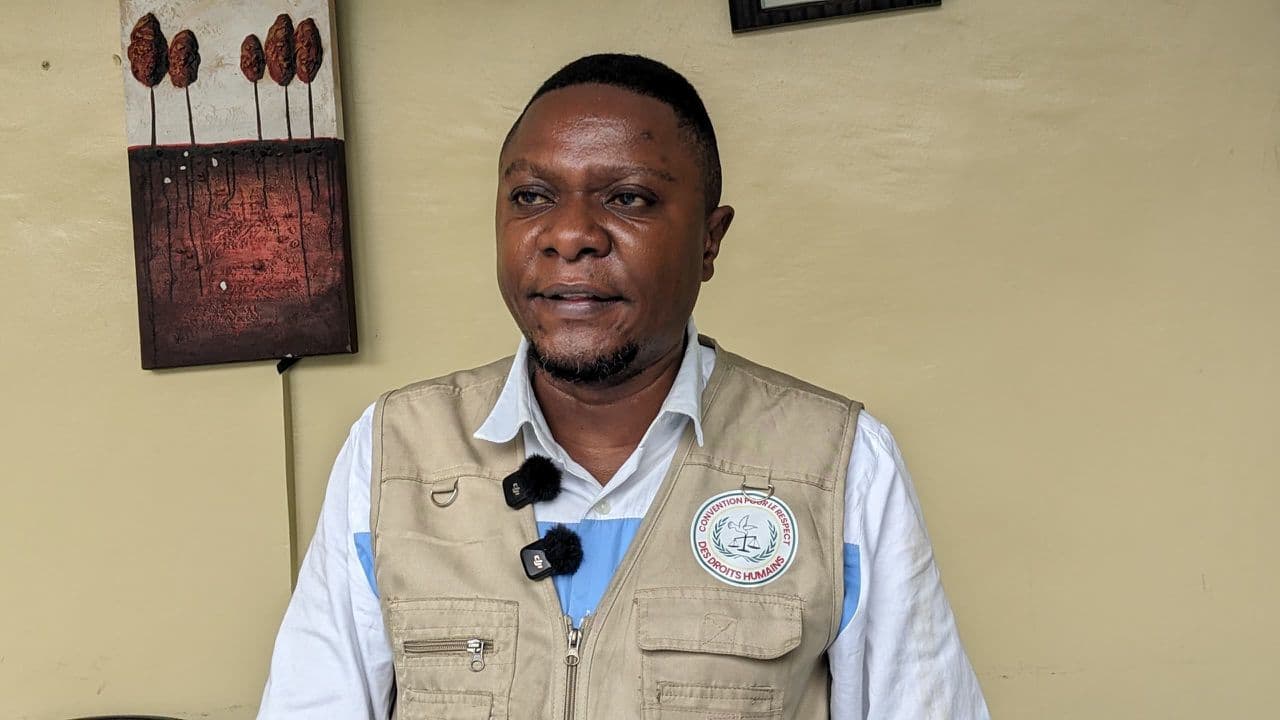
Jean-Paul Paluku Ngahangondi: "Peace cannot be lasting if a significant part of the political actors remains excluded from the national debate"
EXCLUSIVE INTERVIEW — An honorary MP and senior official of Moïse Katumbi's party, based in Goma, the Honourable Jean-Paul Paluku Ngahangondi gives Daraja Média an uncompromising analysis of the crisis in the east, the deadlock in the Qatar-brokered talks, the easing of political tensions and the national dialogue expected by 15 August.
Faced with the multidimensional crisis shaking the Democratic Republic of the Congo — and in particular its eastern region, gripped by major security and political challenges — Daraja Média sat down with the Honourable Jean-Paul Paluku Ngahangondi. An honorary MP and leading political figure based in Goma, he offers here an uncompromising analysis of the evolving security situation, the prospects for peace, regional dynamics in the Great Lakes and the stakes of the coming national dialogue.
Honourable Jean-Paul Ngahangondi, good morning. As a political figure living in Goma, at the heart of an area under AFC/M23 control, how do you read the evolution of the socio-security situation in the east of the country and the local dynamics under way?
The situation in eastern DRC remains extremely worrying. Beyond the military question, we are witnessing a multidimensional crisis: security, humanitarian, economic and political. People live in permanent precariousness, with mass displacement, human rights violations and a collapse of state authority in several localities.
From Goma, we see that people aspire above all to peace, security and the return of public authority. Every political or diplomatic initiative must make the protection of civilians its priority, rather than the interests of political actors.
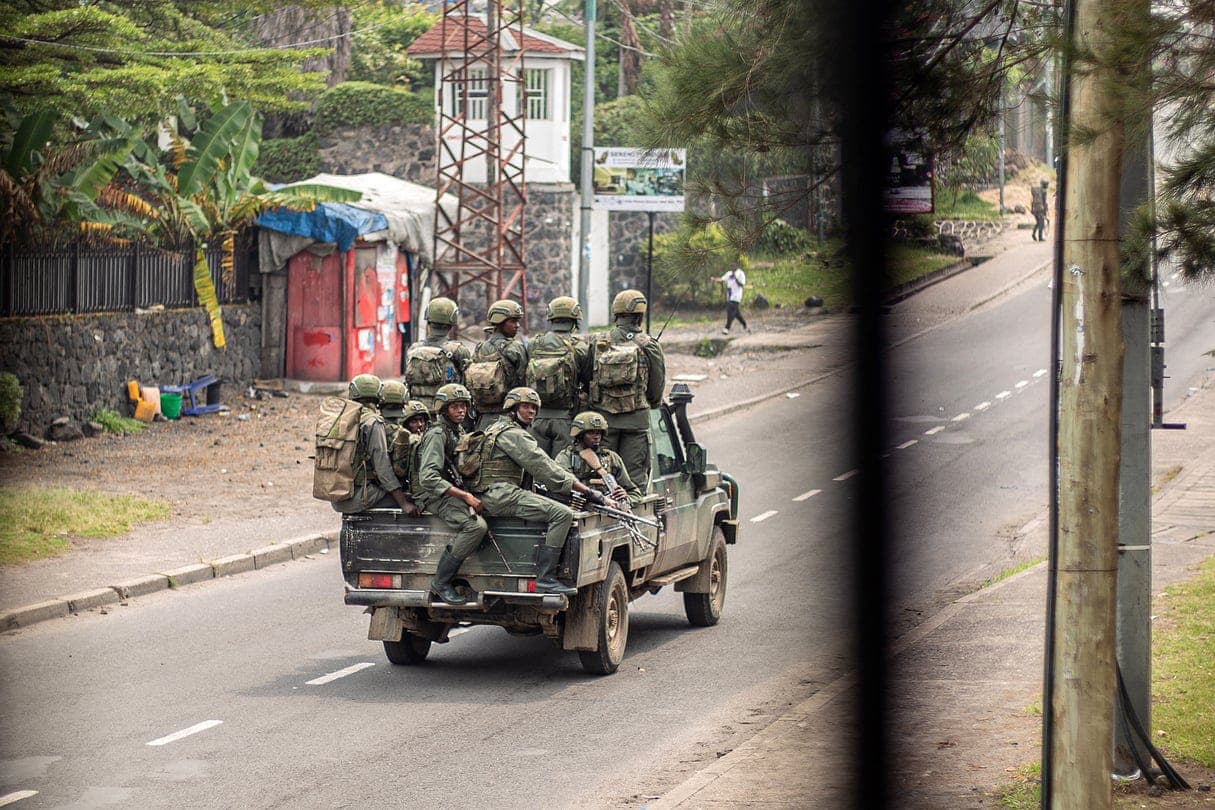
Still in the east, Beni territory (North Kivu) and Ituri province continue to pay a very heavy price for the recurrent massacres carried out by the ADF. How do you analyse the entrenchment of this silent tragedy and the effectiveness of military operations in those areas?
The massacres striking Beni and parts of Ituri for many years now amount to a national tragedy. Despite several military operations, the population continues to suffer deadly attacks.
It is essential to assess objectively the strategies that have been deployed in order to identify their shortcomings. A population's security is measured by its ability to live without fear. As long as the massacres persist, it is legitimate to question the effectiveness of existing arrangements and to demand more transparency, accountability and results.
Geopolitically, how do you assess the current state of relations between the DRC and Rwanda, as well as the reported involvement of Burundi in the crisis in the east? What future is there for coexistence and lasting stability in the Great Lakes region?
Relations between the DRC, Rwanda and Burundi must be approached responsibly and in accordance with international law. The Great Lakes region will only regain lasting stability through dialogue, regional cooperation and an end to support for all armed groups, whoever they may be.
The peoples of the region are not enemies. The real enemies are war, hatred, illicit economic interests and the impunity that have fuelled conflicts for several decades.
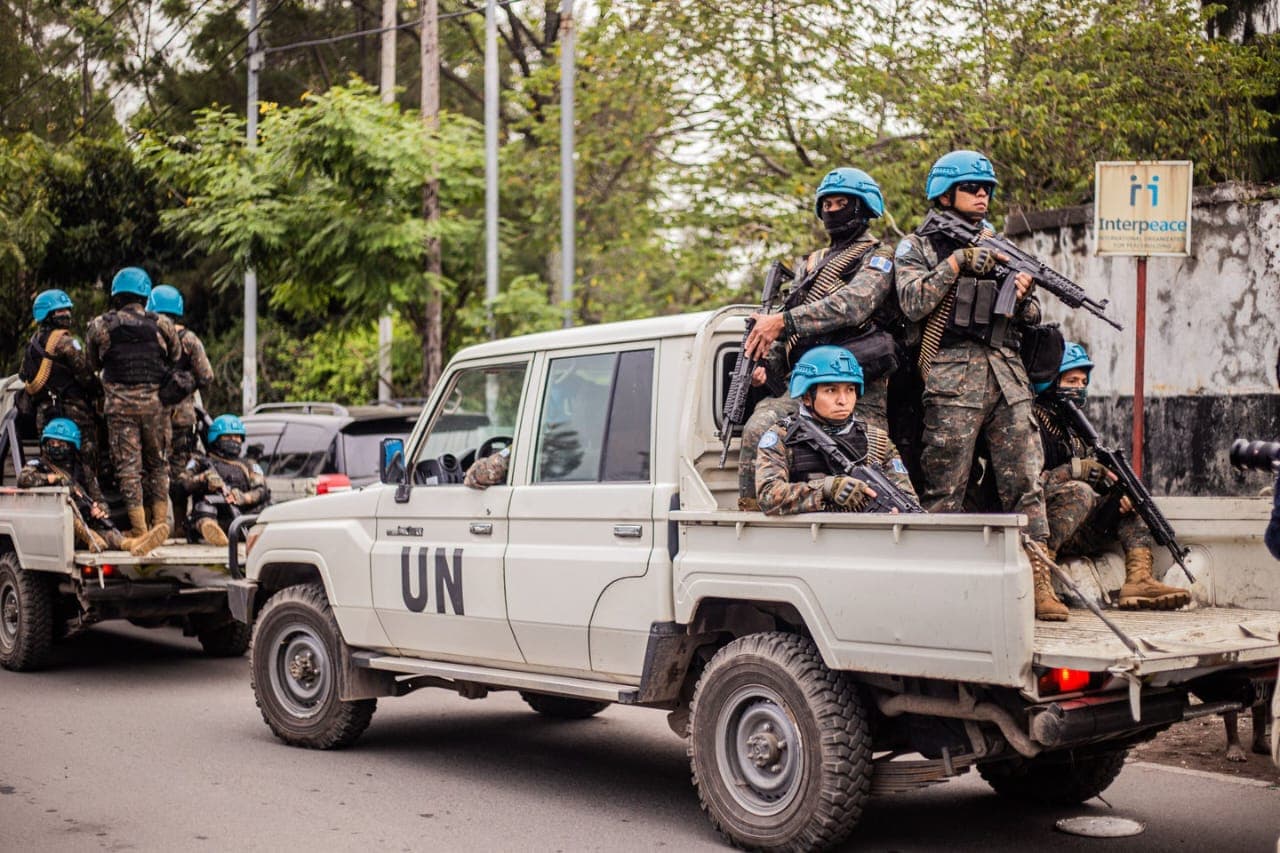
The successive rounds of negotiations between the Congolese government and the AFC/M23 under Qatar's auspices have ended in deadlock. In your view, what really blocked those talks, and how important is the participation of a major figure such as former president Joseph Kabila in the search for a compromise and for inclusive national cohesion?
Any peace negotiation runs into difficulty where there is a deficit of trust between the parties. The blockages we have seen reflect above all the depth of the Congolese crisis.
I believe that every political figure with real influence can contribute to the search for a solution, provided their participation fits within a republican, inclusive framework directed towards the higher interest of the nation. It is not a question of individuals, but of the capacity to foster lasting peace.
Several leading opposition figures have been forced into political exile, among them Moïse Katumbi, the leader of the party in which you are a senior official. Given that situation, how urgent is a genuine easing of tensions to guarantee a calmer political climate in the DRC?
An open political space is indispensable to the functioning of a democracy. A strong democracy presupposes that both the majority and the opposition can freely carry out their activities in accordance with the Constitution and the law.
Easing political tensions is not a favour granted to the opposition; it is a necessity if trust between institutions and citizens is to be restored.
Should the safe return of political exiles and the cleaning-up of the democratic space be unavoidable preconditions for any attempt at national reconciliation?
Yes. Credible national reconciliation requires a climate of trust. That means, in particular, security guarantees for political actors, respect for fundamental freedoms, the independence of the judiciary and the protection of all citizens' rights.
Peace cannot be lasting if a significant part of the political actors remains excluded from the national debate.
The opposition coalition C64 recently made headlines by postponing its planned march, giving a chance to the dialogue announced under the facilitation of CENCO and ECC. Why did you choose to favour the round table?
C64 chose dialogue because the higher interest of the nation must always take precedence over partisan considerations. Where a serious possibility of dialogue exists, it is responsible to give it a chance.
That does not mean abandoning our demands, but rather a determination to favour a peaceful and consensual solution to the crises our country is going through.
C64 attached to that postponement a strict ultimatum, setting 15 August as the deadline for formally convening this national dialogue. Do you not fear that the process will fail to meet the deep expectations of institutional refoundation and justice held by the Congolese people?
Dialogue must not be a mere political exercise designed to buy time. Congolese people expect concrete results, particularly on security, governance, institutional reforms, elections, justice and national cohesion.
If those concerns are not taken into account, the dialogue does indeed risk failing to meet the population's expectations.
It bears emphasising: the peace process concerning the east with the AFC/M23 is fundamentally distinct from the internal national political dialogue focused on the institutional crisis in Kinshasa. How can we ensure that the east's major concerns are not eclipsed by political manoeuvring?
It is essential to distinguish the two processes. The security crisis in the east has its own dynamic and requires specific responses, whereas the national political dialogue concerns the functioning of the institutions.
The two nonetheless remain linked, because it will be difficult to consolidate peace durably in the east without strong, credible institutions capable of guaranteeing the security of all Congolese.
Finally, if this long-awaited political dialogue were to fail, or if the deadlines set did not produce the expected results, what would the prospects be for the opposition and for the future of the nation?
The failure of a dialogue must never lead to abandoning the search for solutions. The opposition will continue to defend its convictions through democratic and peaceful means.
Our collective responsibility is to prevent political differences from further weakening our country. Congolese people expect from their leaders courage, a sense of the state and a vision capable of restoring peace, national unity and trust in the institutions.
“Congo has the human and natural resources it needs to succeed. What it lacks today is governance capable of bringing Congolese together around a common project of peace, justice and development.”
Comments
Join in — no account needed.
No one has replied yet. Start the conversation.