
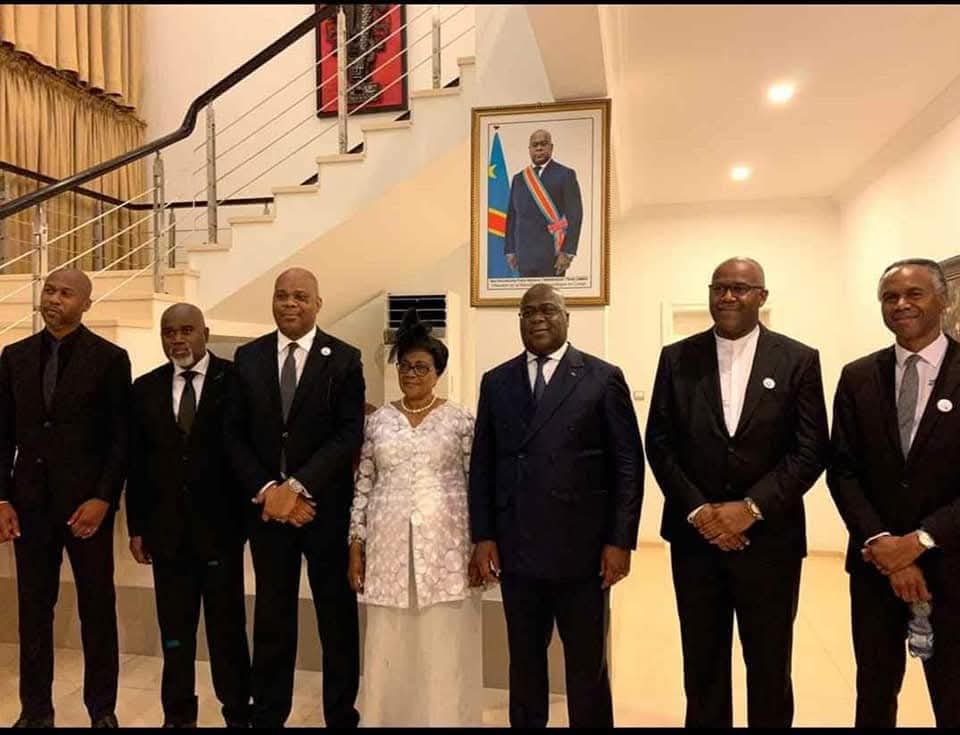
The Blood Businessmen: The Tshisekedi Family’s Opaque Procurement of Arms and Ammunition for the FARDC
Beyond the mining sector in Katanga, where the Tshisekedi family is involved in unprecedented looting, the family has also extended its tentacles into the procurement of military equipment, marked by a similarly unprecedented level of opacity.
Over the course of his 18-year rule, former President Joseph Kabila worked to build a republican army following the country's reunification and the integration of troops from former rebellions into the Armed Forces of the Democratic Republic of the Congo (FARDC).
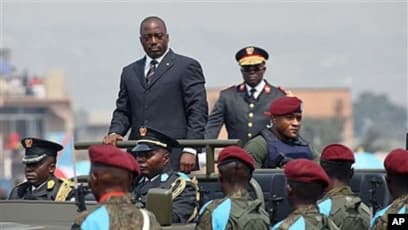
When he stepped down in 2019, he left his successor an army that, while imperfect, was structured, organizationally established, and equipped with modern gear and weaponry.
Upon taking office in 2019, faced with a legitimacy deficit following contested elections in 2018, President Félix Tshisekedi initiated a targeted purge within the military hierarchy.
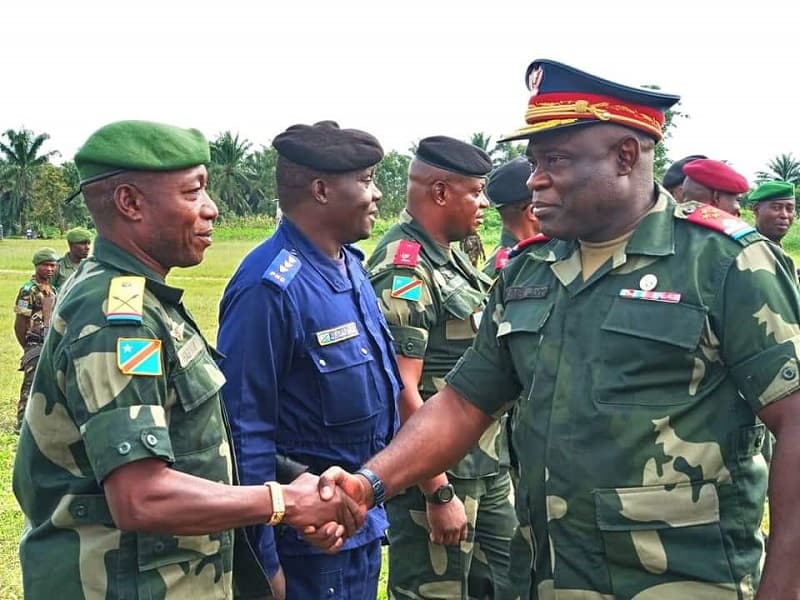
This wave of dismissals primarily struck senior officers suspected of ties to the previous administration, with Swahili-speaking officers facing particular scrutiny. Several were imprisoned in Kinshasa or eliminated.
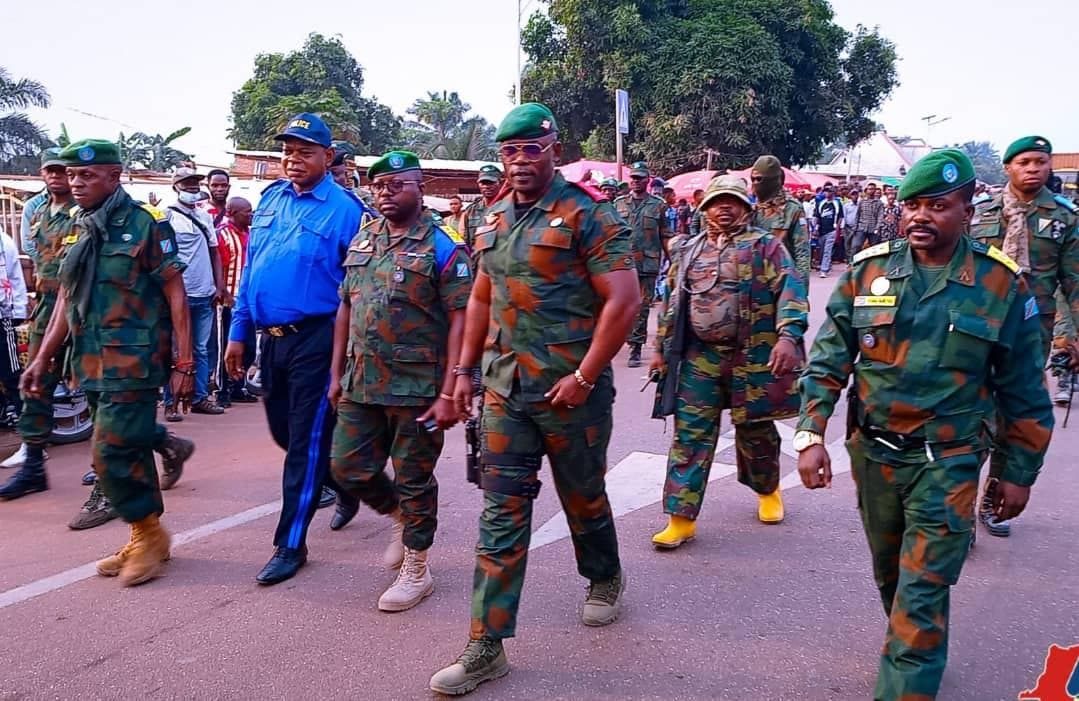
Simultaneously, a policy of ethnic favoritism was introduced within the military ranks, resulting in the recruitment and rapid promotion of members of the Luba community drawn from the diaspora or recruited locally often lacking adequate training.
A Parallel, Family-Run Supply Network
Since 2021, the management of sensitive arms contracts for the FARDC and the Congolese National Police (PNC) has bypassed the official channels of the General Staff and the Ministry of Defense.
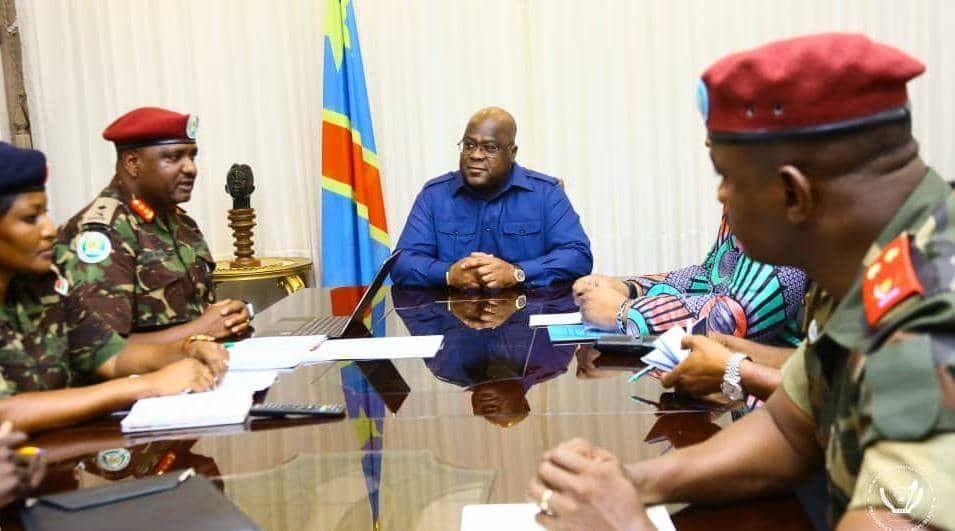
According to sources within the military apparatus, two brothers of the head of state, Christian Tshisekedi and Claude Tshisekedi, oversee a clandestine procurement network.
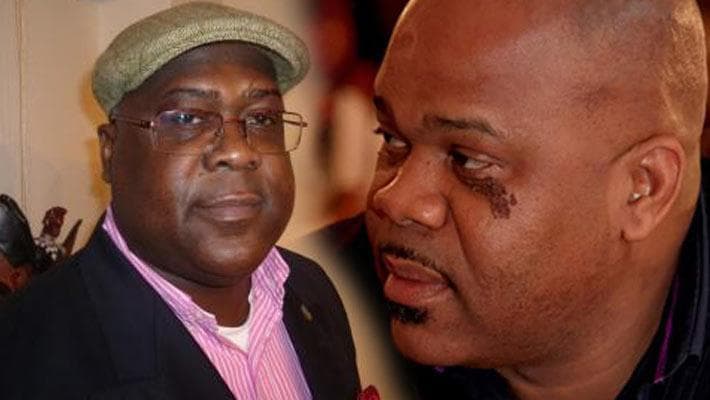

This supply pipeline, stretching from China and Turkey to South Africa and Ukraine, is operated by individuals entirely devoid of defense or military expertise.
The exclusive motivation behind this unofficial centralization remains financial, turning strategic acquisitions into lucrative business ventures for the presidential inner circle.
Operational Impact and the Security Deterioration in the East
The consequences of this informal management weigh heavily on the theaters of operation.
During offensives led by the AFC/M23 and the fall of key localities in the country's east, it became evident that personal protective equipment helmets and body armor issued to the troops was substandard and ineffective.
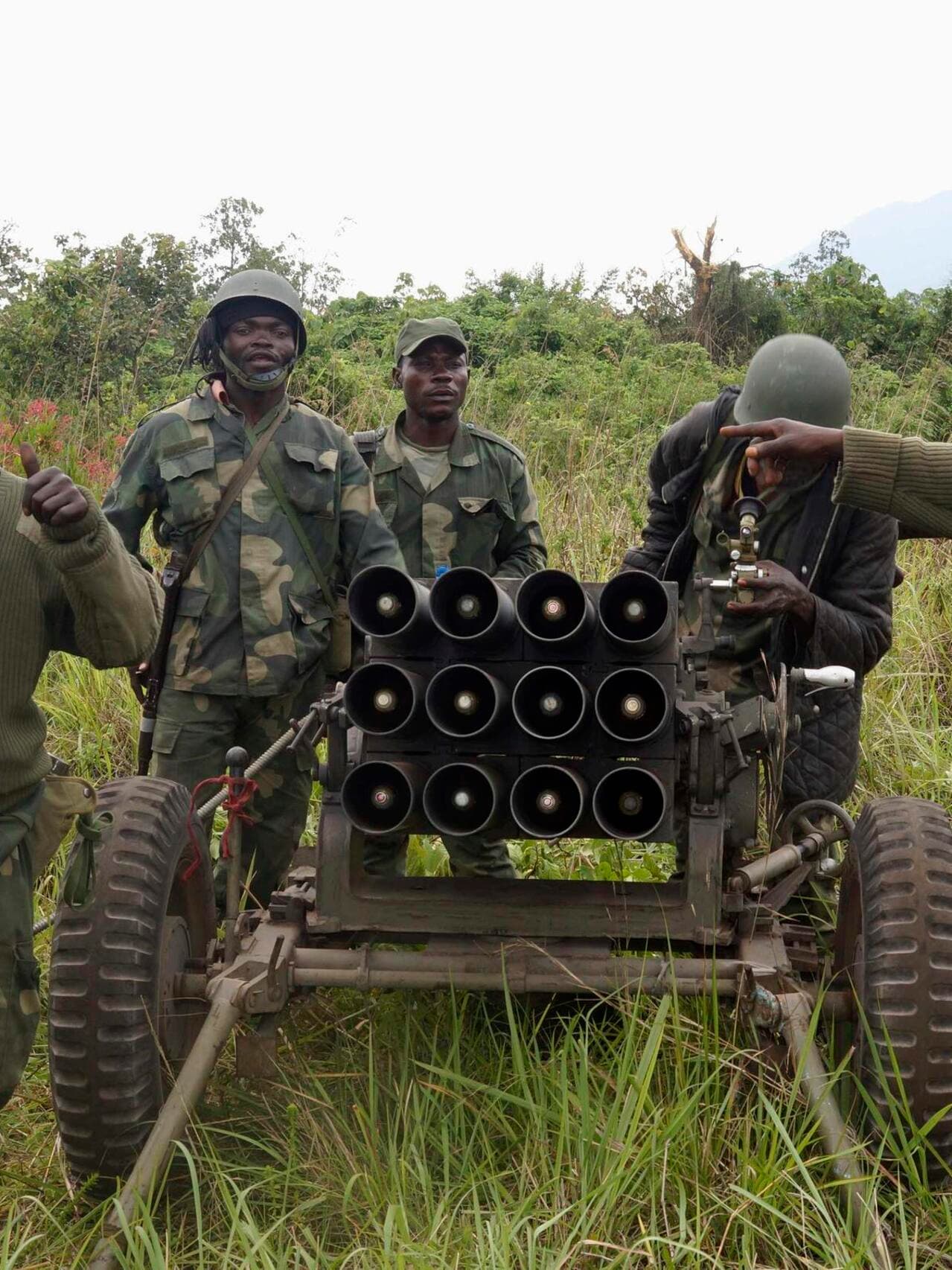
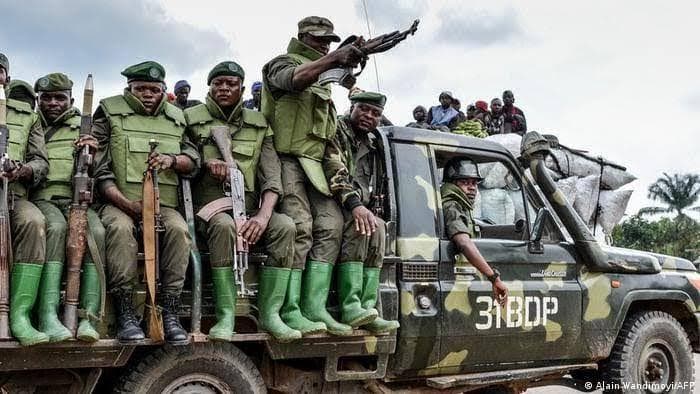
Furthermore, batches of ammunition delivered to frontline units proved incompatible with their standard-issue weaponry.
Although the Congolese government has allocated over 23.5 billion US dollars since the resurgence of the crisis in 2021, the frontline Congolese soldier remains underequipped.
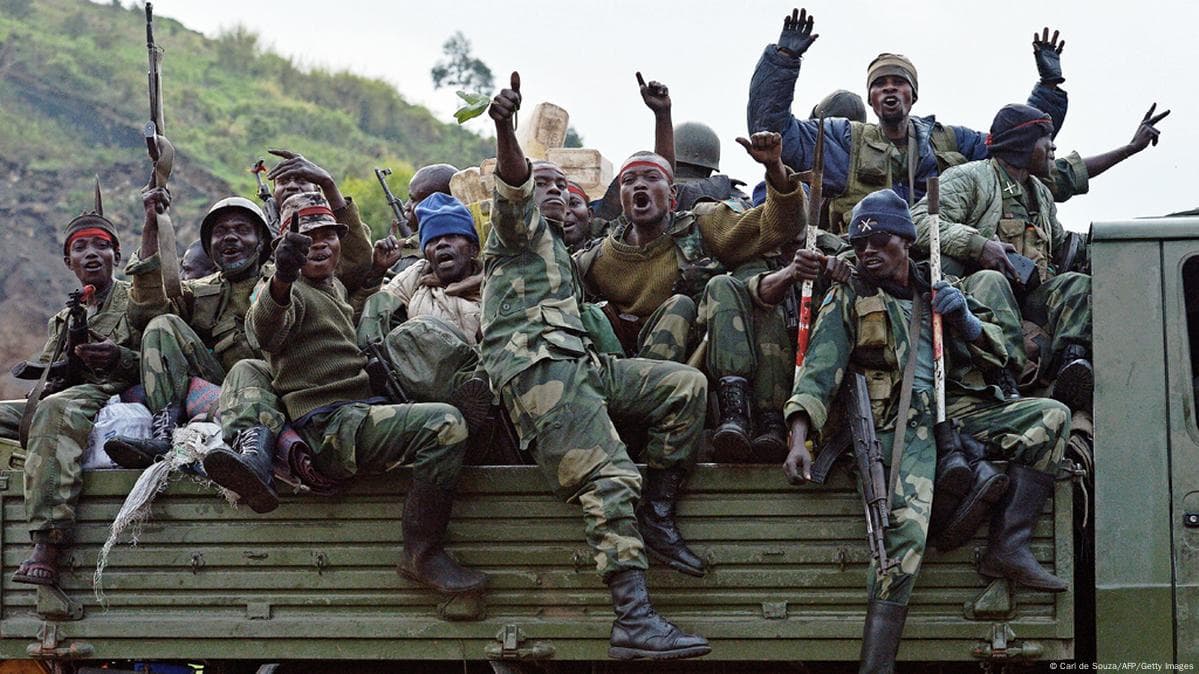
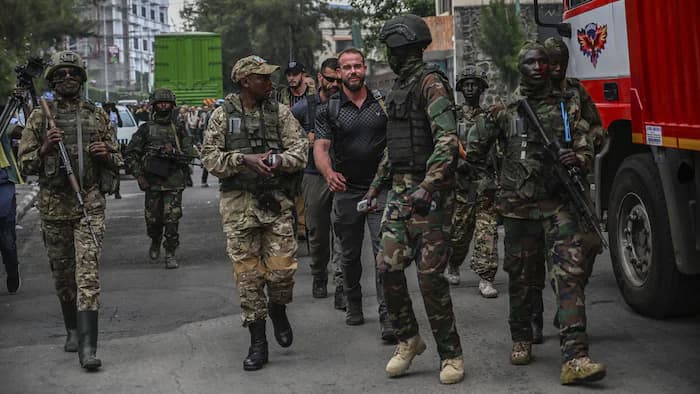
Facing repeated setbacks, the executive branch has had to rely on external proxies, including elements of the FDLR, the Burundian army, and foreign private military contractors.
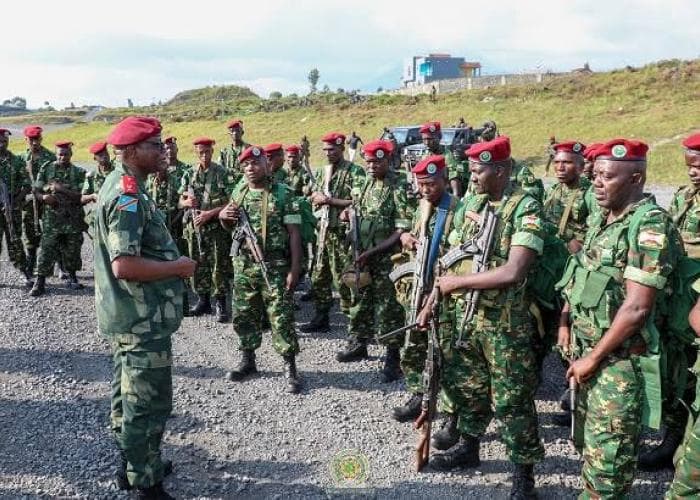
As a case in point, prior to the rebel capture of strategic strongholds, Romanian and Moldovan mercenaries were hired at monthly salaries reaching 9,000 dollars in stark contrast to the Congolese soldier's pay, which remains below 200 dollars.
Perpetuating Conflict as an Economic Model
The direct involvement of the presidential family in these procurement circuits sheds new light on Kinshasa's belligerent stance toward the crisis in the eastern provinces.
Despite the humanitarian distress and suffering endured by civilians, regional and international diplomatic initiatives aimed at de-escalation are routinely undermined by the central government.
For this military-commercial network, whose tentacles also reach into the mining sector, the continuation of security instability serves as the very foundation of its profitability.
War has mutated into a thriving industry whose economic survival thrives on the persistence of hostilities in eastern DRC.
Comments
Join in — no account needed.
No one has replied yet. Start the conversation.