
AN ASSET
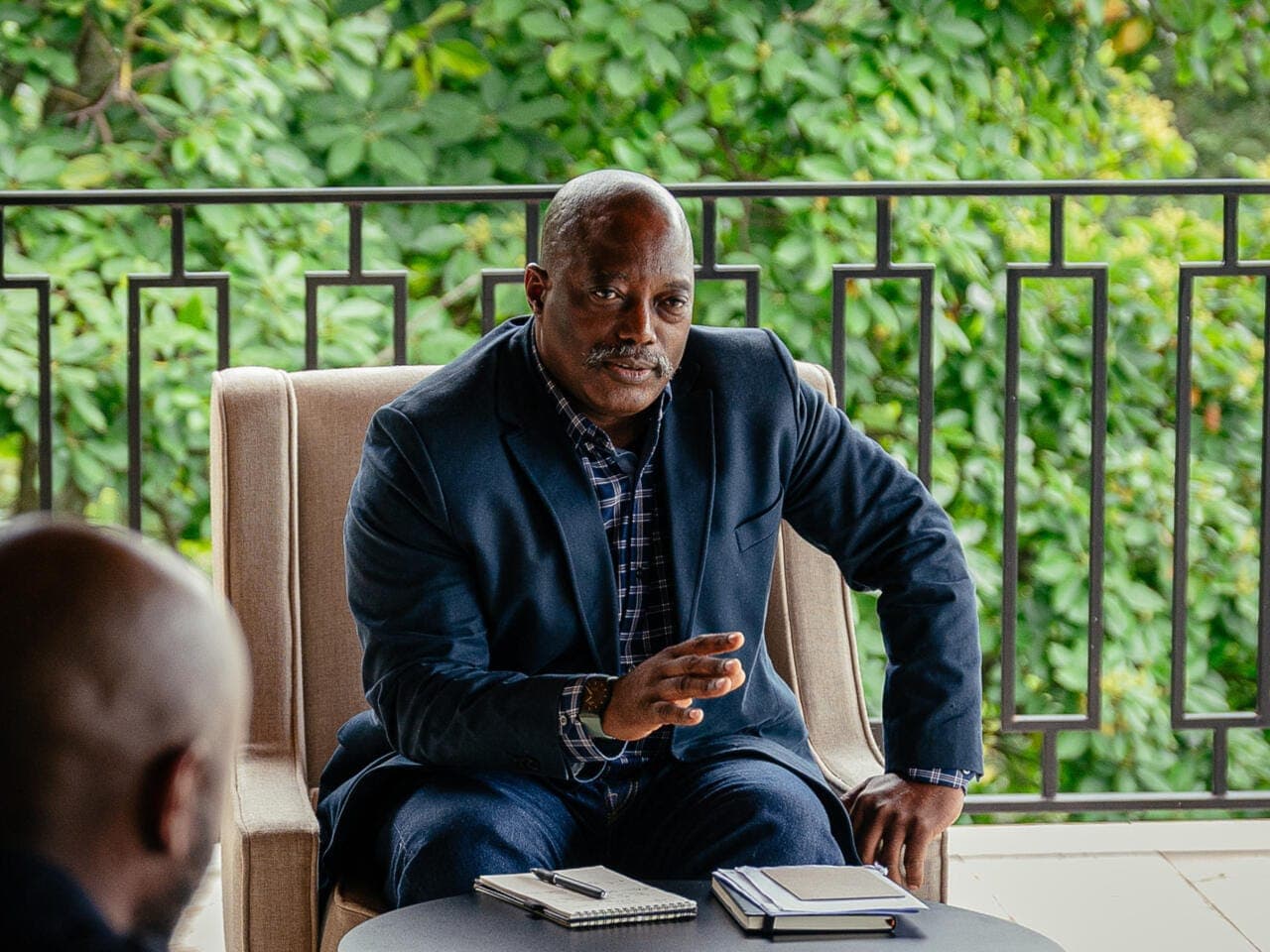
Former President Joseph Kabila is viewed today by Congolese public opinion as the sole political figure uniting courage, experience, maturity, and wisdom to lift the DRC from the brink of the abyss. While his eighteen years in power were not without flaws, Joseph Kabila harbors a sincere passion for peace, well-being, and the development of the Congolese people.
Joseph Kabila’s political legacy in the Democratic Republic of Congo is etched into the nation's contemporary history in wax and steel, tracing the profile of a leader thrust into its most existential turmoils.
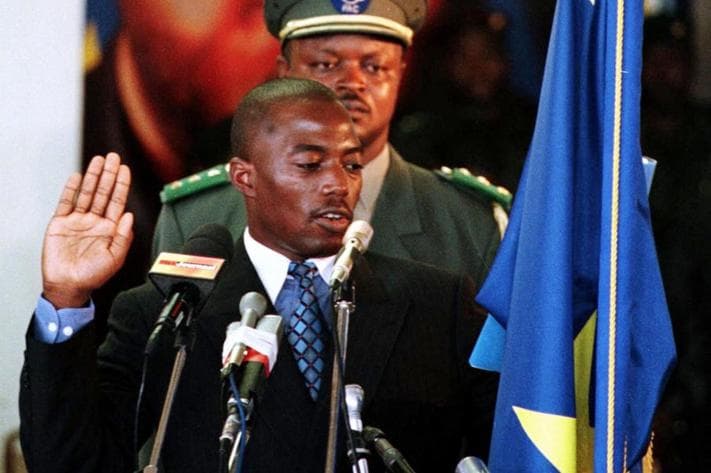
Elevated to the highest office at the age of twenty-nine, the young major-general acceded to power on 26 January 2001, in the immediate aftermath of the tragic assassination of his father, M'zee Laurent-Désiré Kabila.
Amidst a bloodless and exhausted nation mired in the quagmire of the devastating Second Congo War and fractured by foreign-backed rebellions, his foremost mission lay in halting the hemorrhage and reuniting a broken territory.
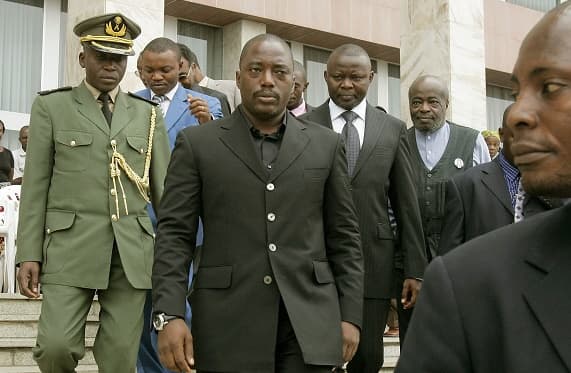
From the very opening months of his tenure, Joseph Kabila made the decisive choice for diplomacy and peace, committing himself resolutely to implementing the Lusaka Ceasefire Agreement of July 1999.
This unwavering political will ultimately yielded the signing of the Global and All-Inclusive Agreement in Pretoria on 17 December 2002 a pivotal milestone that officially drew the curtain on multisectoral hostilities and set the wheels of national pacification turning after years of ruinous chaos.
Institutional Reforms and the "1+4" Transition
To cement this fragile peace, the country adopted the celebrated transitional administration framework known as the "1+4" system, instated on 30 June 2003.
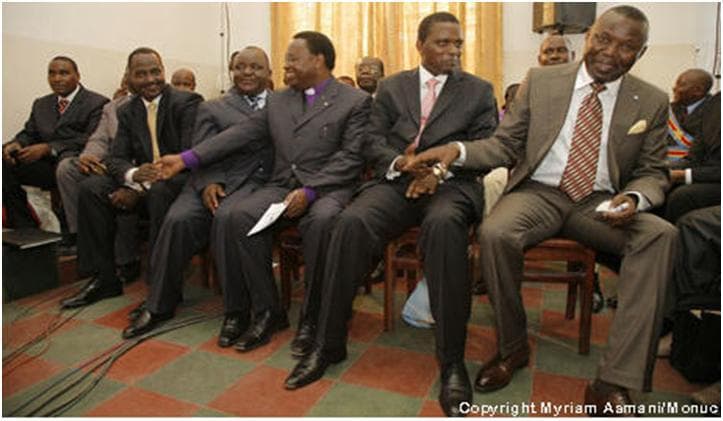
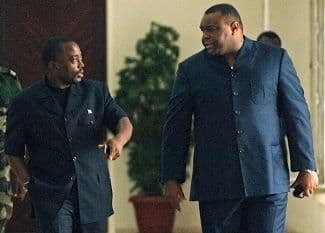
This unprecedented political architecture gathered around Joseph Kabila four vice-presidents hailing from both the belligerent factions and the opposition, symbolizing a unique drive for appeasement and national inclusivity within the Great Lakes region that successfully steered an imploding state back from the brink.
The culmination of this political detente materialized through a successful constitutional referendum, leading directly to the promulgation of the Third Republic’s Constitution on 18 February 2006.
This foundational text equipped the DRC with a modern democratic framework, enshrining public liberties, political pluralism, and strict term limits for the presidency.
Democratisation, Reconstruction, and National Unity
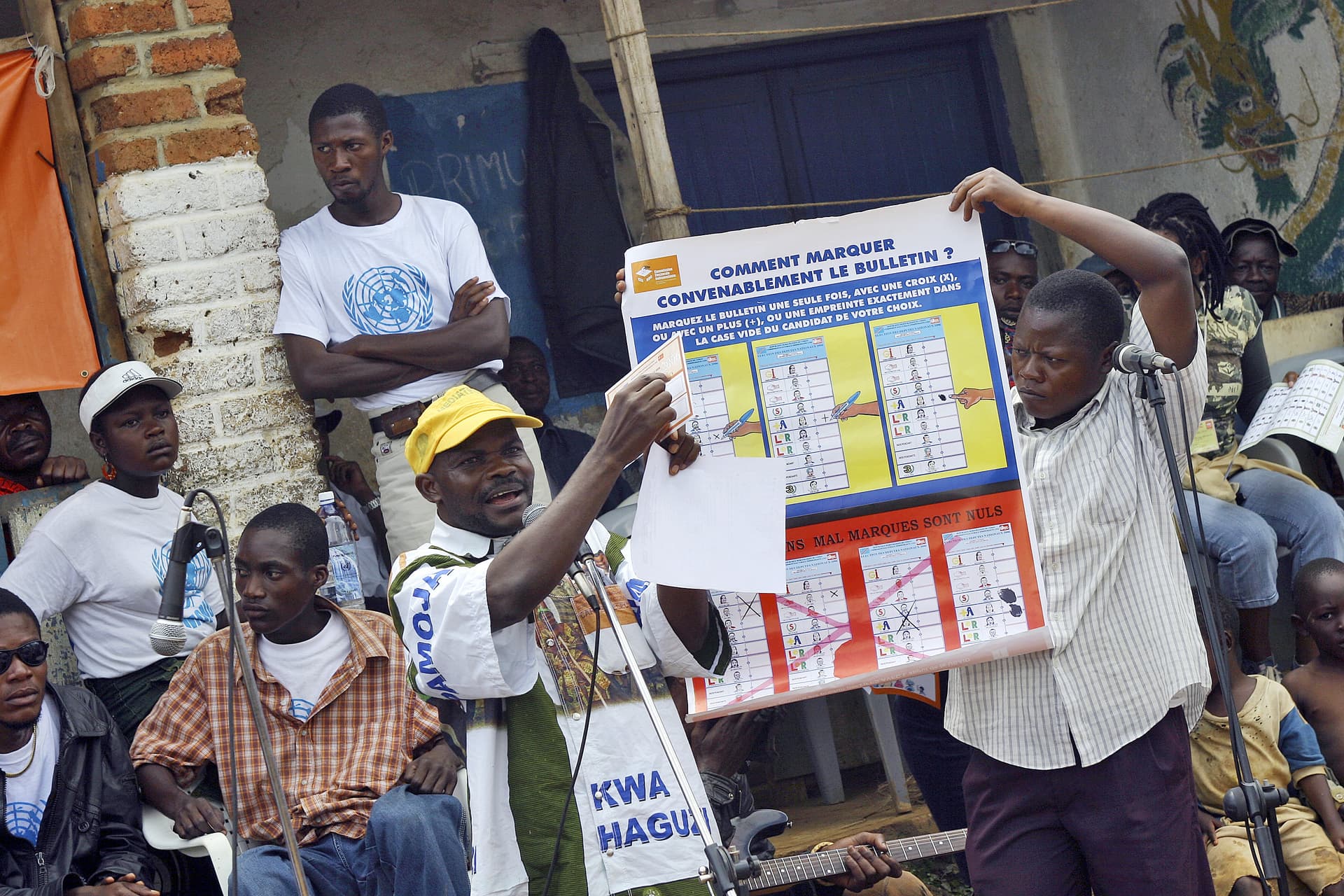
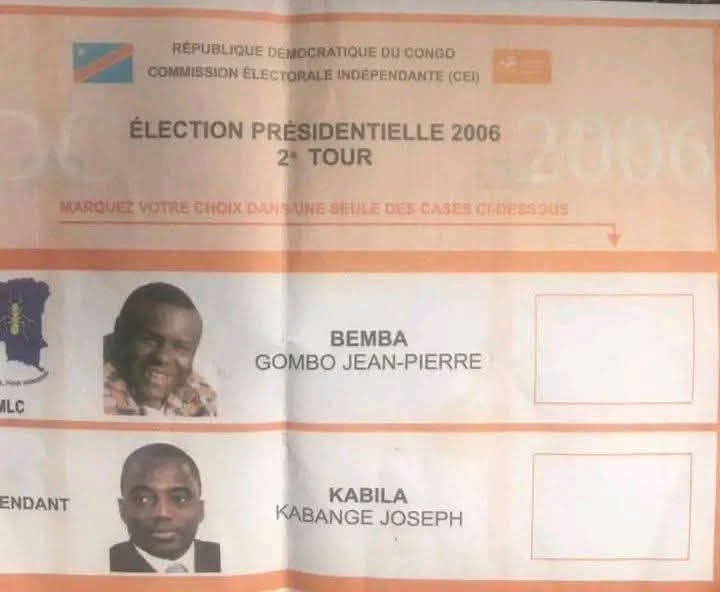
True to his republican pledges, the head of state oversaw the organization of the first free, transparent, and democratic elections in the country's modern history in 2006.
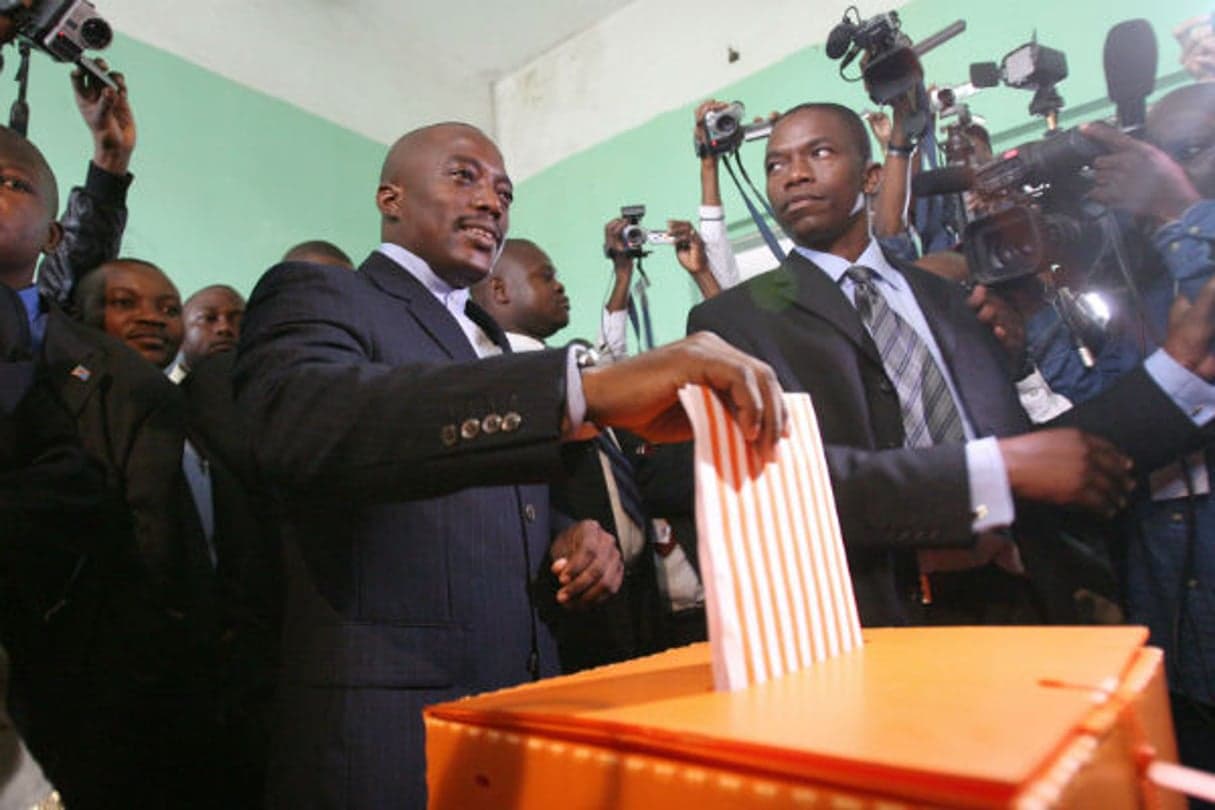
Emerging victorious from a hard-fought ballot, Joseph Kabila turned his focus toward the effective reunification of state services, the armed forces, and the economy across the vast national expanse, permanently closing the chapter of the warlords.
It was within this framework that he initiated a vast and ambitious reconstruction roadmap dubbed the "five pillars of the Republic" namely infrastructure, education, water and electricity, health, and employment.
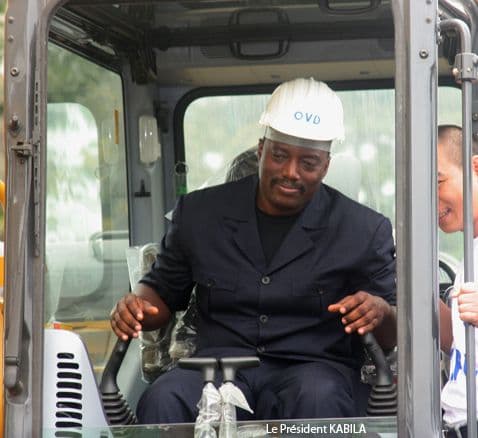
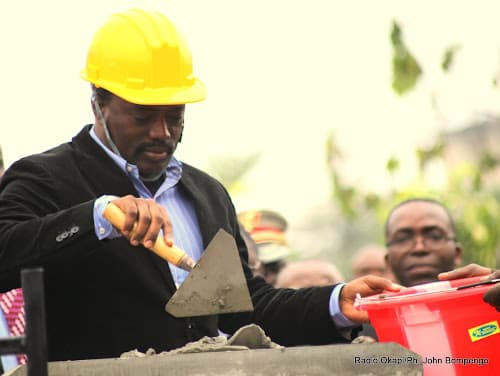
His track record expanded further through sweeping reforms, particularly macroeconomic ones, which enabled the DRC to stabilize its national currency and shake off a crushing debt burden across his eighteen years at the helm.
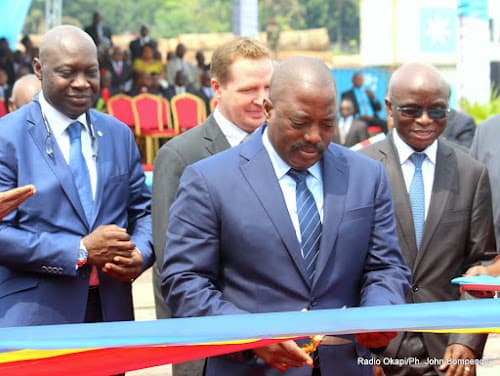
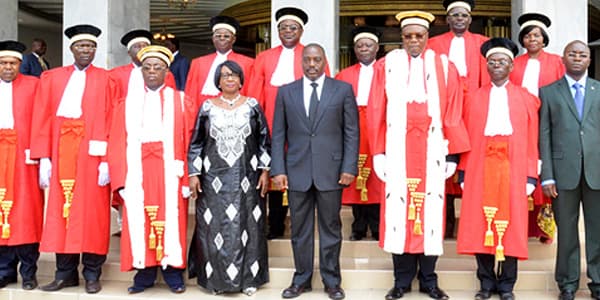
It was likewise under Joseph Kabila Kabange's governance that the DRC witnessed the birth of vital political institutions, bodies supporting democracy, and the modernization of its judicial apparatus.
Unlike the practices of his successors who institutionalised tribalism and ethnic discrimination as governing tools, Joseph Kabila established himself as a unifying leader who governed with all Congolese without exception, ensuring no citizen faced persecution on tribal grounds.
Peaceful Alternation and the Resurgence of Crisis Leadership
The high-water mark of his commitment to institutional stability came on 24 January 2019, when he chose to deliver a peaceful democratic transition by handing power over to Félix Tshisekedi, securing the very first peaceful transfer of power between living presidents in Congolese history.
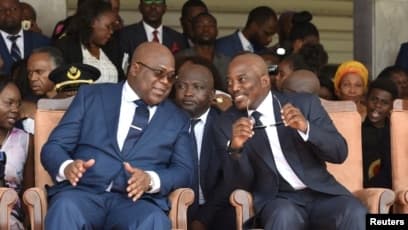
Despite a subsequent campaign of demonisation and vitriol orchestrated by his successor to mask his own governance failures, Joseph Kabila’s stature has only continued to grow in the national consciousness.
The Congolese people, measuring the stark contrast between the relative stability of the prior era and current incompetence, have overwhelmingly rehabilitated his record and saluted his statesmanship.
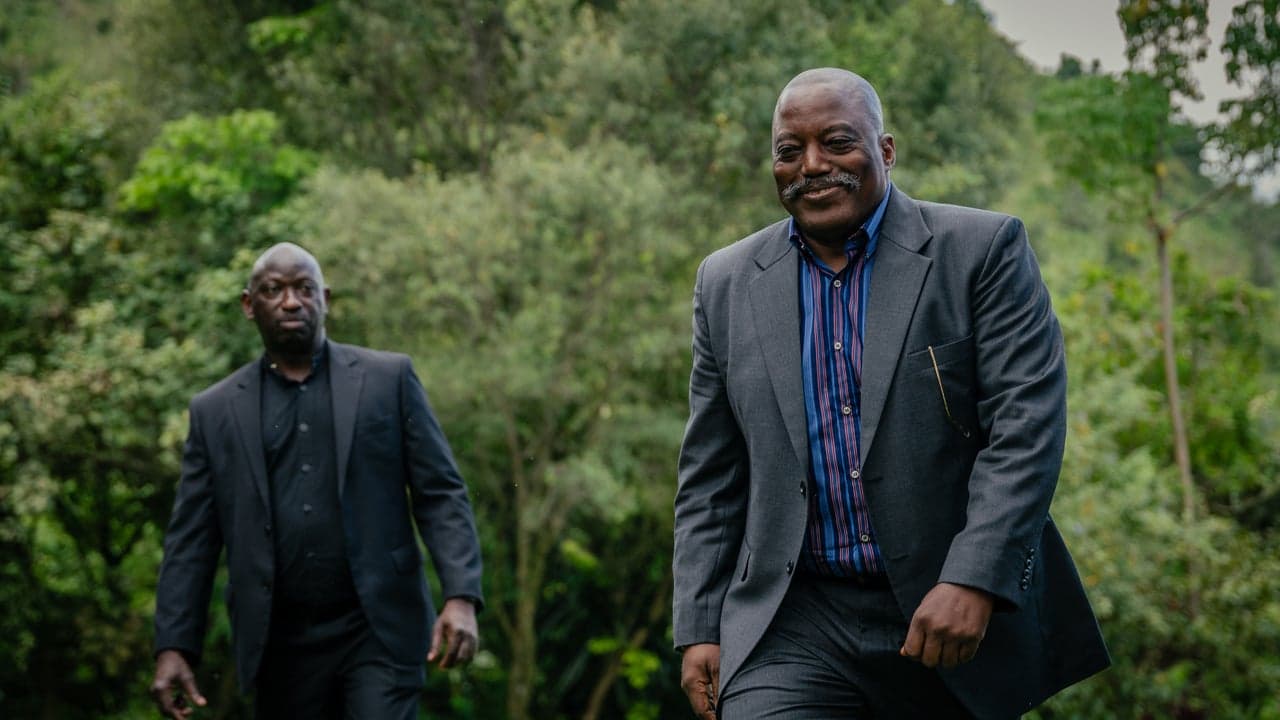
Confronted with the authoritarian drift of the regime in power, the former president broke a lengthy silence by delivering a landmark address to the nation on 23 May 2025, turning heads from abroad at a time when the administration sought to silence him.
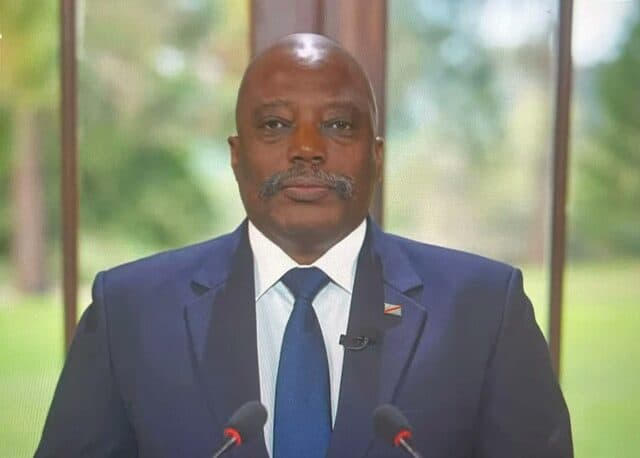
In this programmatic speech of profound gravity, the former head of state laid bare an uncompromising diagnosis of the multidimensional Congolese crisis, framing his call around imperative actions to save the homeland: ending tyranny, stopping the war, restoring state authority nationwide, reviving the rule of law, safeguarding fundamental freedoms, and reconciling the Congolese people.
This courageous stand has subjected him to targeted political persecution and the blatant instrumentalization of the judiciary under Félix Tshisekedi's regime, manifesting in rigged political trials and clumsy attempts to muzzle the opposition.
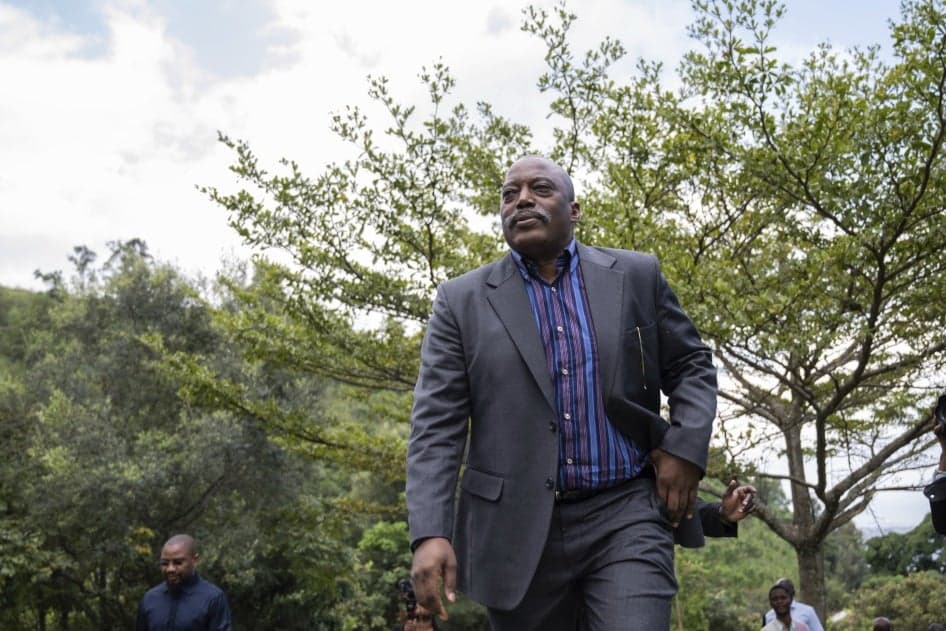
Far from buckling under this judicial harassment driven by fear of political alternation, Joseph Kabila remains the indispensable figurehead and moral bulwark whose return to the forefront the populace demands to restore national dignity.
Amidst the severe security and institutional crisis currently suffocating the country beneath the yoke of the ruling dictatorship, the former president's experience and wisdom are more sought-after than ever by a disillusioned public.
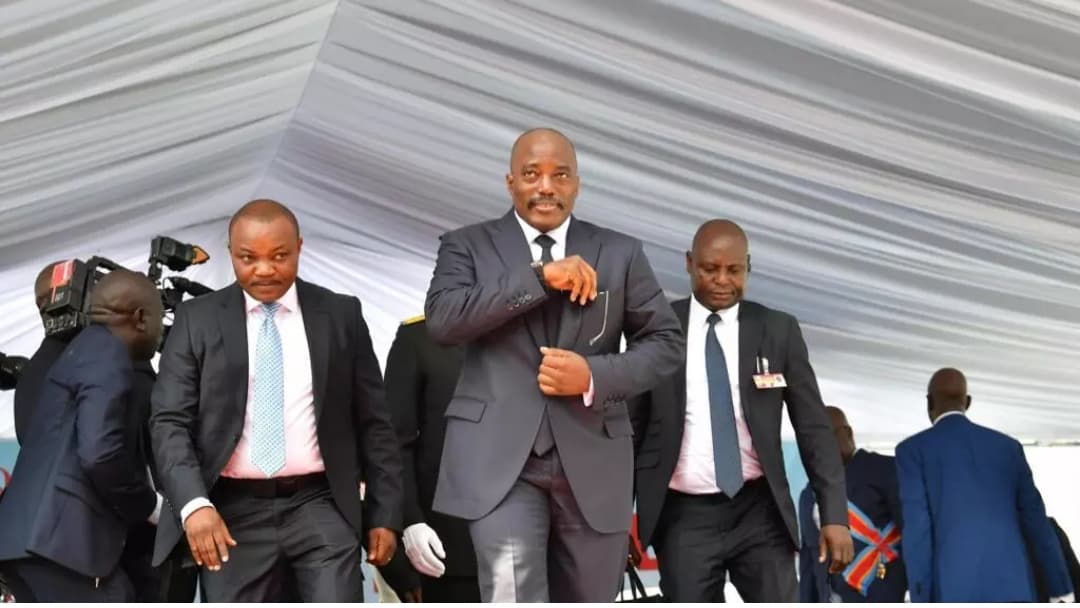
Public opinion views him as the ultimate recourse capable of uniting patriotic energies, untangling political deadlocks, and finally delivering the DRC from the grip of authoritarianism.
Comments
Join in — no account needed.
No one has replied yet. Start the conversation.