
The Prodigal Sons of Kivu
The conflict in North and South Kivu is also the result of the criminal opportunism of self-styled dignitaries from this geographical area. Certain Kivu leaders, driven by animosity toward Rwanda and economic opportunism, are stoking war and insecurity against their own kin.
The Greater Kivu, an economic crossroads and symbol of prosperity in the eastern Democratic Republic of the Congo, remains mired for several decades in a chronic and unstable cycle of instability. This strategic region pays a heavy price for a complex security crisis that mortgages the future of millions of citizens and martyring a territory that nevertheless remains immensely rich.
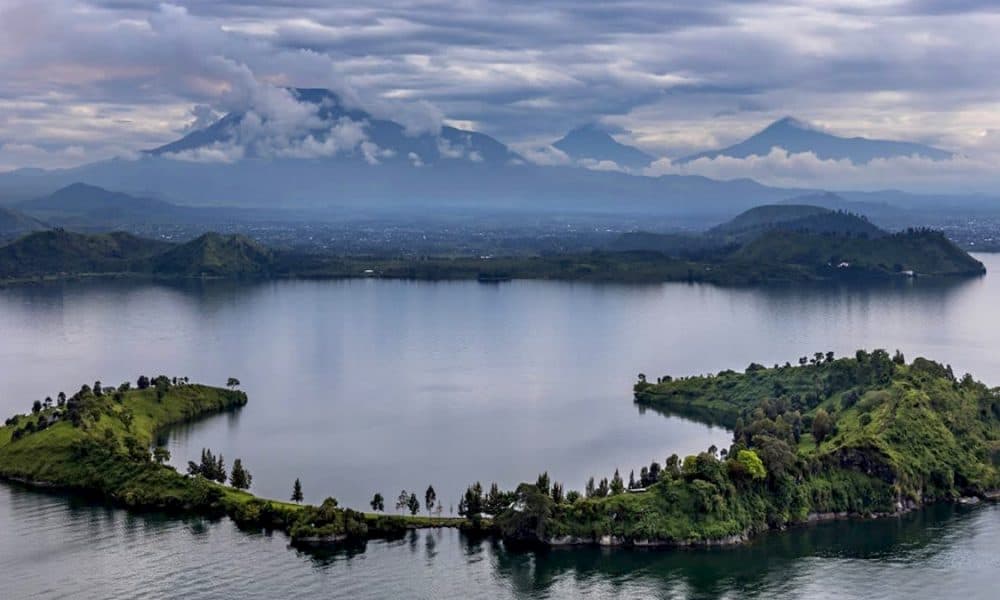
For Kivu remains a land of prodigious and exceptional wealth, exceptionally rich in fauna and flora, sustained by national parks of inestimable value.
Its subsoil also overflows with immense potential and strategic minerals that make this region one of the planet's safe-deposit vaults, riches that unfortunately transform into tragic sources of covetousness.
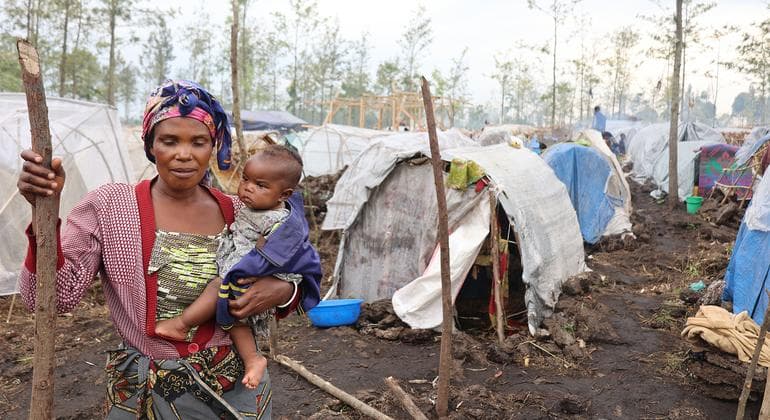
At the heart of this turmoil, the civilian populations of Kivu suffer unspeakable and daily agony, forced to flee incessantly from armed clashes between the Congolese army and the AFC/M23, abandoning their lands and belongings to wander along roads in total destitution.
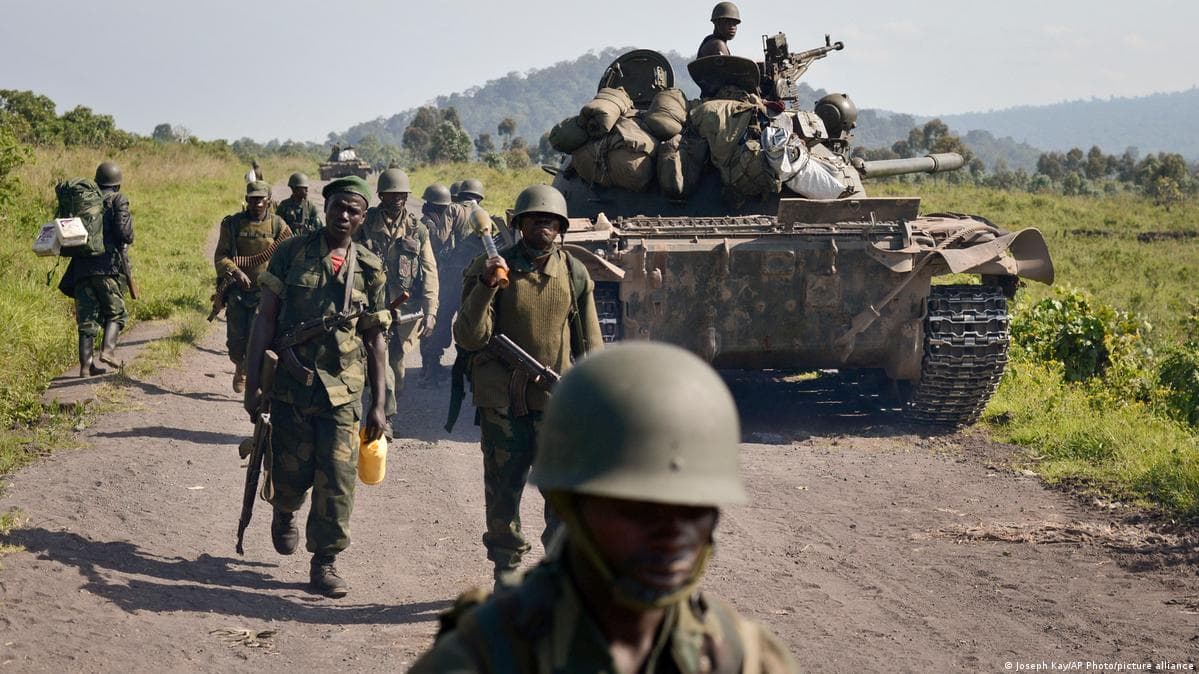
These recurring clashes and violence stem from repeated attacks by the Congolese army, the FARDC, which refuses the observance of any ceasefire, prioritizing a military flight forward to the detriment of peace.
Facing this tragedy, the aforementioned Kivu leaders fully adhere to this rhetoric, but also openly support the massacres and bombings against the Banyamulenge in South Kivu, thus condoning the destruction of whole sections of their own community.
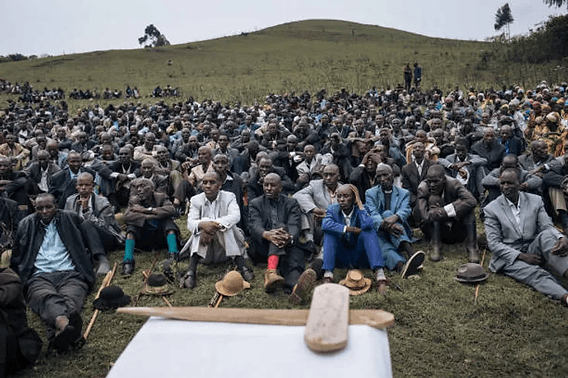
Despite this natural opulence, the security fabric has severely degraded due to the proliferation of several armed groups (numbering more than 110) that have long sown terror in greater Kivu.
Among them are the Rwandan génocidaires of the FDLR, established in eastern DR Congo since 1994 following their crime of genocide in Rwanda. This insecurity finds fertile ground in local dynamics, with the majority of these armed groups created and maintained by political leaders originating from Kivu.
These sponsors instrumentalize frustrations to secure their personal ambitions and fuel a mafia-like economy around the region's resources.
Even more seriously, certain political leaders originating from Kivu lie at the root of amplifying hatred and tribal discrimination among Congolese natives of Kivu, pitting Kivu's daughters and sons against one another.
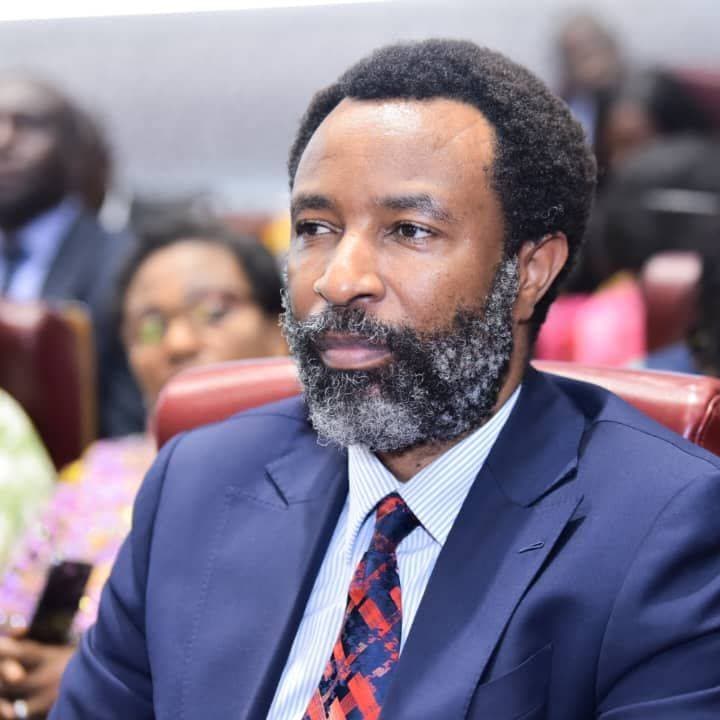
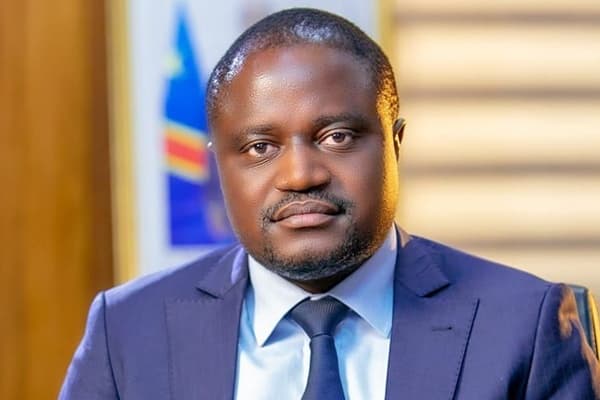
A few figures stand out in this enterprise and are at the root of the instability and divisions; here is a sample:
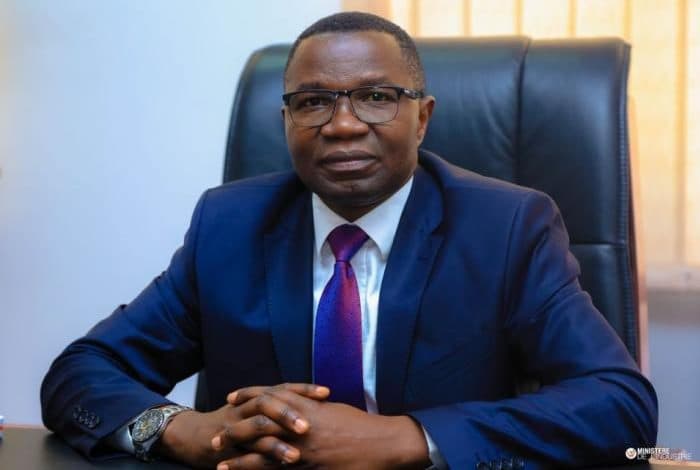
- Julien Paluku (former governor of North Kivu, currently national Minister of Industry),
- Muhindo Nzangi (Minister of Rural Development),
- Crispin Mbindule (Member of the National Assembly),
- Justin Bitakwira (Member of the National Assembly),
- François Rubota (Member of the National Assembly),
- Patrick Munyomo (Member of the National Assembly),
and many other political and civil society actors originating from Kivu.
They are all utilized by President Tshisekedi's regime with the sole aim of manipulating them and securing adherence to a strategy of hatred against Rwanda, as well as against Kinyarwanda-speaking Congolese (Congolese Tutsis).
Recently, the testimony of a former FDLR officer brought to light the collaboration between several Kivu political actors and this rebellion composed of former Rwandan génocidaires established in eastern DR Congo, who maintain close cooperation and collaboration with the Congolese army.
Since 2021, these figures of Kivu politics have been very active on the ground of hateful and genocidal propaganda, with their respective armed groups having merged into a coalition called Wazalendo, which fights alongside the Congolese army in the war against the AFC/M23.
The Wazalendo are perpetrators of multiple crimes and abuses against civilians, and they frequently clash with the Congolese army itself.
This militia receives more than 5 million US dollars each month, an envelope shared by their sponsors from Kinshasa.
“For economic interests, these prodigal sons of Kivu have agreed to build their material happiness and prosperity on the blood of their brothers, on hatred and division, as well as on a lie consisting of absolving the Congolese state of its responsibilities and accusing Rwanda, as well as Kinyarwanda-speaking Congolese, of being the source of the DRC's misfortune.”
Comments
Join in — no account needed.
No one has replied yet. Start the conversation.