
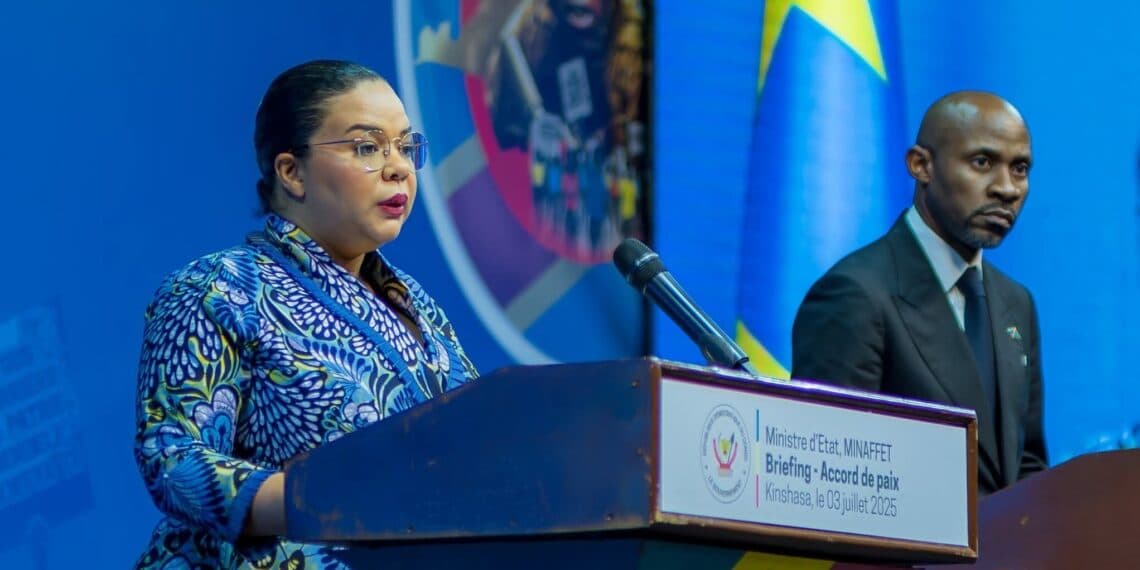
Lies, mass manipulation, corruption, victimhood, and intimidation: the six pillars upon which Kinshasa has built its narrative and diplomacy.
Recurring instability and crises in the DRC date back to its independence in 1960, later exacerbated by chronic misrule. Blaming Rwanda for these woes simply reflects an unwillingness to face internal failures and escape the cycle.
In January 2019, Félix Tshisekedi took power in Kinshasa for a first term at the head of the DRC, following elections held in late 2018 which, according to several diplomatic sources, resulted in an "African-style compromise" (a deal between outgoing President Joseph Kabila and proclaimed winner Félix Tshisekedi).
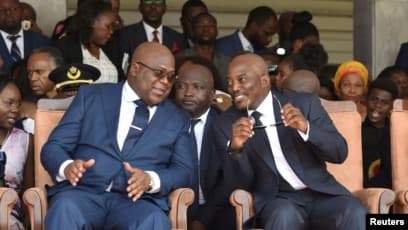
A few months after taking office, Félix Tshisekedi initiated contacts with M23 elements exiled in Uganda, following their withdrawal from Congolese territory after the conflict with the Congolese army in November 2013.
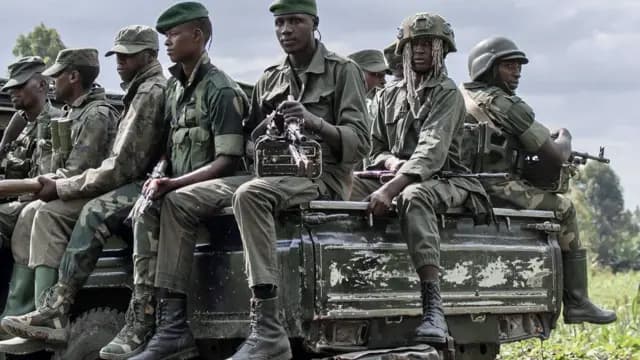
At the time, the last rebel strongholds of Chanzu and Runyoni, in the hills overlooking Rutshuru in North Kivu, fell after a decisive offensive by the Congolese army (FARDC), which had received crucial support from the MONUSCO intervention brigade (the UN mission in the DRC).
Persistent reports indicated that a delegation of M23 leaders was housed and fed in Kinshasa for nearly 14 months starting in 2020, as part of secret discussions regarding surrender, political alliance, and their integration into the Republican Guard.
Documents signed by former Deputy Prime Minister and Minister of the Interior Gilbert Kankonde requesting funds for their upkeep, as well as photos taken by M23 officials during their stay in Kinshasa, confirm this information.
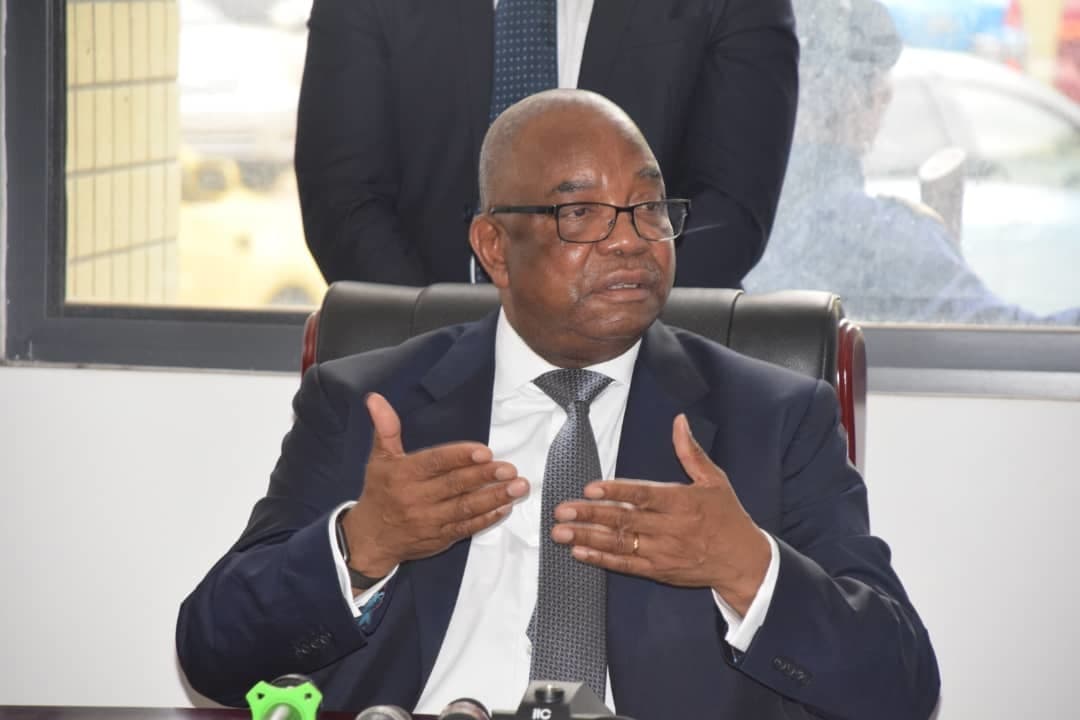
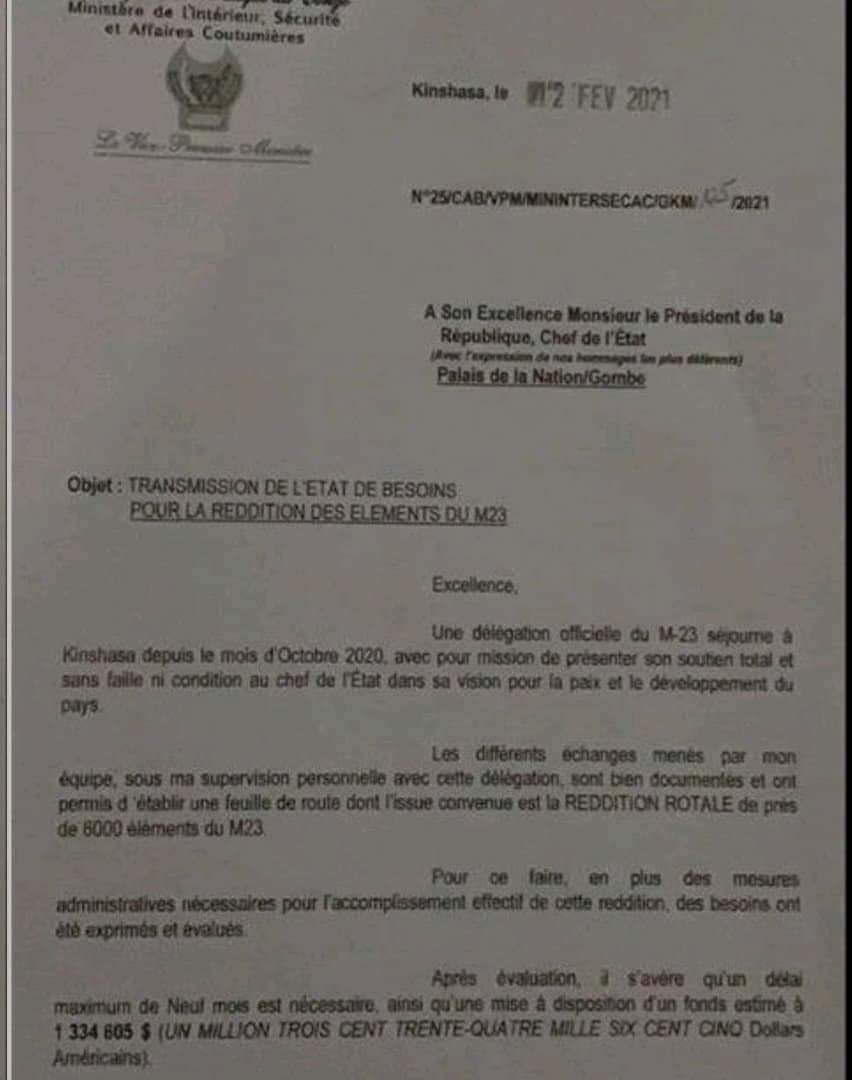
After 14 months in Kinshasa, this strong M23 delegation felt compelled to return to Uganda because talks with the Tshisekedi regime had failed, despite the promises and commitments made by the Congolese president.
The Outbreak of the Crisis
- November 2021: First major attacks carried out by fighters of the March 23 Movement (M23) against positions of the Congolese army (FARDC) in the territories of Rutshuru and Masisi.
- June 12–13, 2022: The strategic border town of Bunagana, located between the DRC and Uganda, falls to the M23 after intense fighting.
It must be emphasized that the M23, in its current format, was reconstituted and organized in Uganda, contrary to the narrative of the Congolese government which accuses Rwanda of having armed and organized the rebellion.
The M23 thus reorganized around General Sultani Makenga, Bertrand Bisimwa, and other leaders and officers of this movement, all of whom are Congolese and had taken refuge in Uganda following the 2013 conflict.
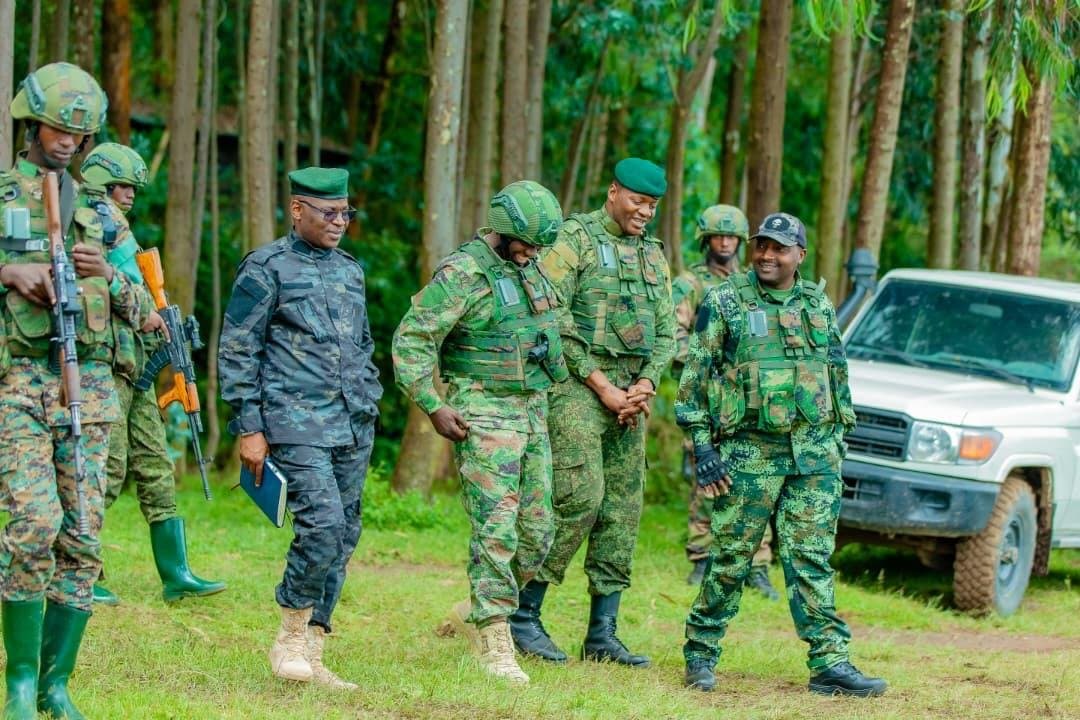
The demands of this movement have remained the same: compliance with the March 23, 2009 agreements, and the security of ethnic minorities in the eastern DRC who are victims of marginalization, massacres, and persecution by armed groups and state actors under the Kinshasa regime.
On December 15, 2023, the Congo River Alliance (AFC) was officially launched in Nairobi, Kenya, by Corneille Nangaa, former president of the Independent National Electoral Commission (CENI) of the Democratic Republic of the Congo, alongside senior M23 officials. Bringing together political parties, civil society figures, and armed groups the principal member being the M23 rebellion Corneille Nangaa provides its political coordination, while Sultani Makenga leads the military wing.
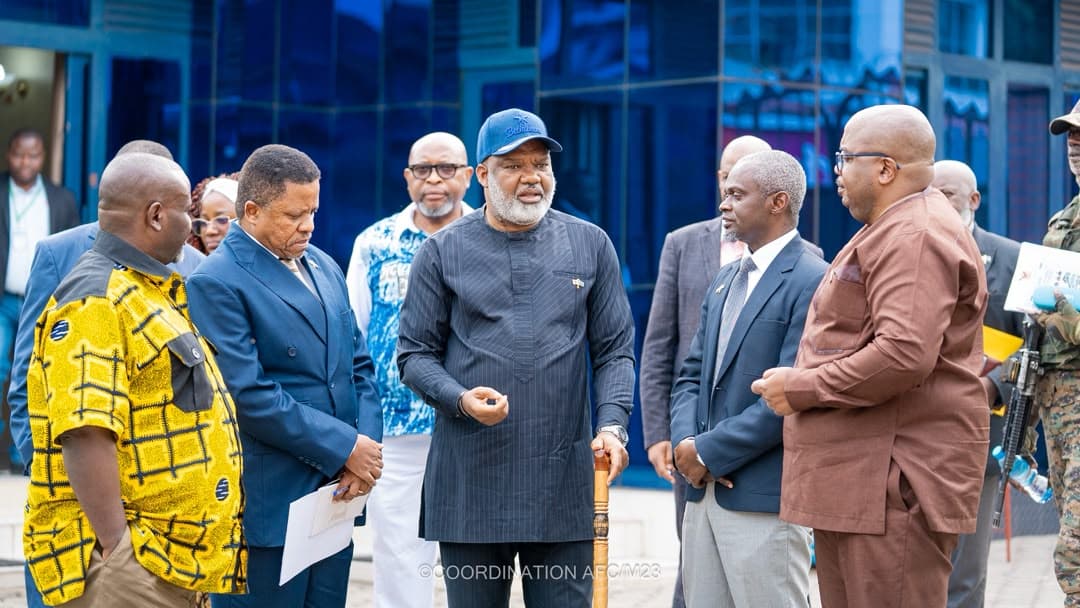
The AFC was born as a national awakening platform aimed at "refounding the State," remedying the central government's inability to secure the country, and prompting comprehensive political negotiations with Kinshasa.
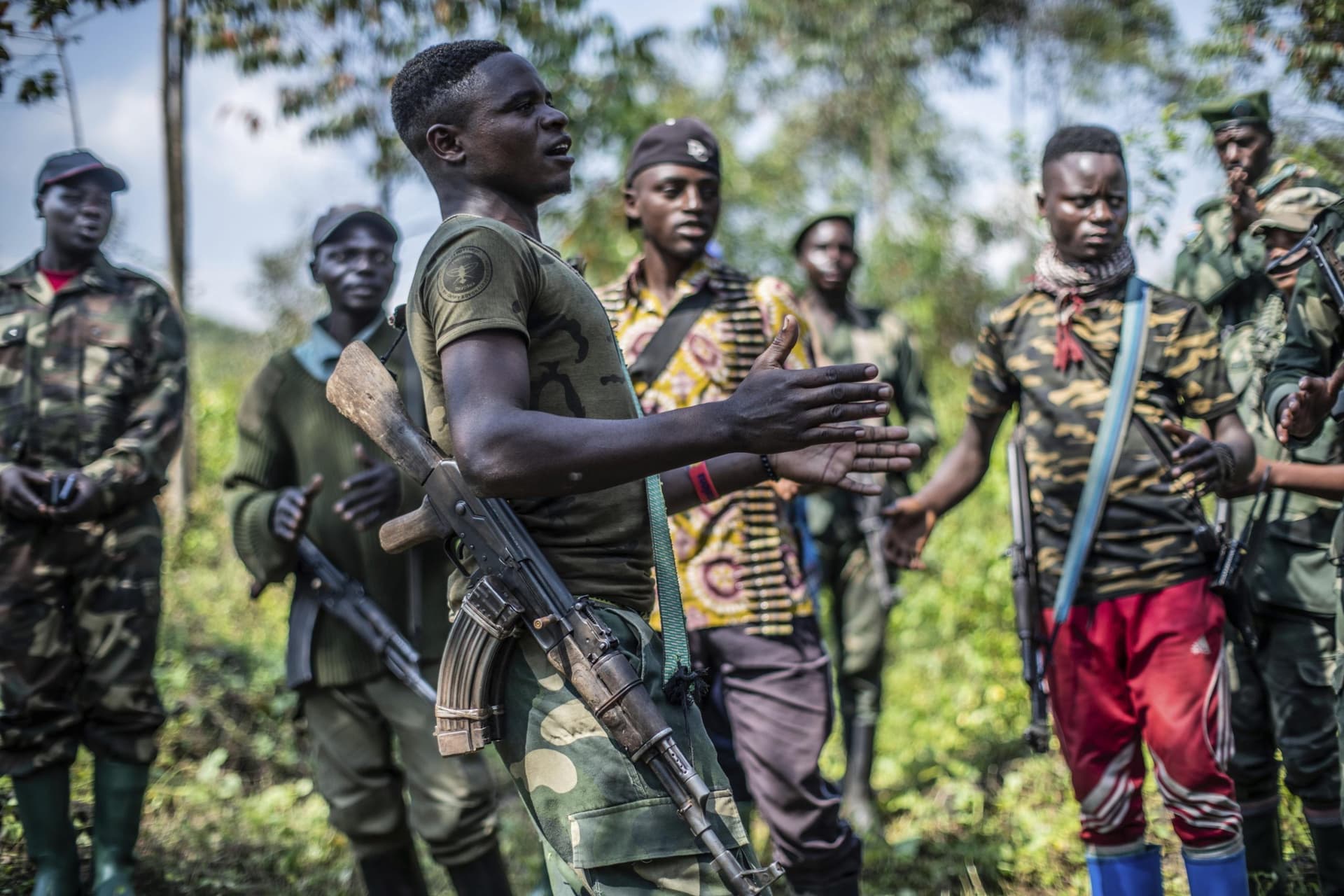
A year and a half after its creation, this alliance gained military momentum through the enlistment of several young Congolese who agreed to join the movement and its demands, enabling the AFC/M23 to take the cities of Goma and Bukavu, as well as other locations in the provinces of North and South Kivu.
Since gaining independence in 1960, the DRC has endured decades of political and security instability, particularly in its eastern region, marked by the massive arrival of the FDLR following the 1994 genocide against the Tutsis in Rwanda. This group, established in the eastern DRC, grew stronger thanks to the complicity and complacency of the Congolese authorities.
The FDLR has always harbored ambitions of destabilizing Rwanda and has never digested its defeat by the RPF army led at the time by General Paul Kagame. Today, they are in a military alliance with the Congolese government in the war against the AFC/M23.
Rwanda, the Congo's Eternal Scapegoat
Shortly after hostilities began in 2021 between the Congolese army and the M23, the Congolese authorities were quick to point the finger at Rwanda, accusing it of being behind the rebellion even though the latter, as noted earlier, originated in and entered through Uganda, not Rwanda. Why Rwanda? For decades, blaming Rwanda for the political and security instability in the Democratic Republic of the Congo has become customary for the Congolese political class.
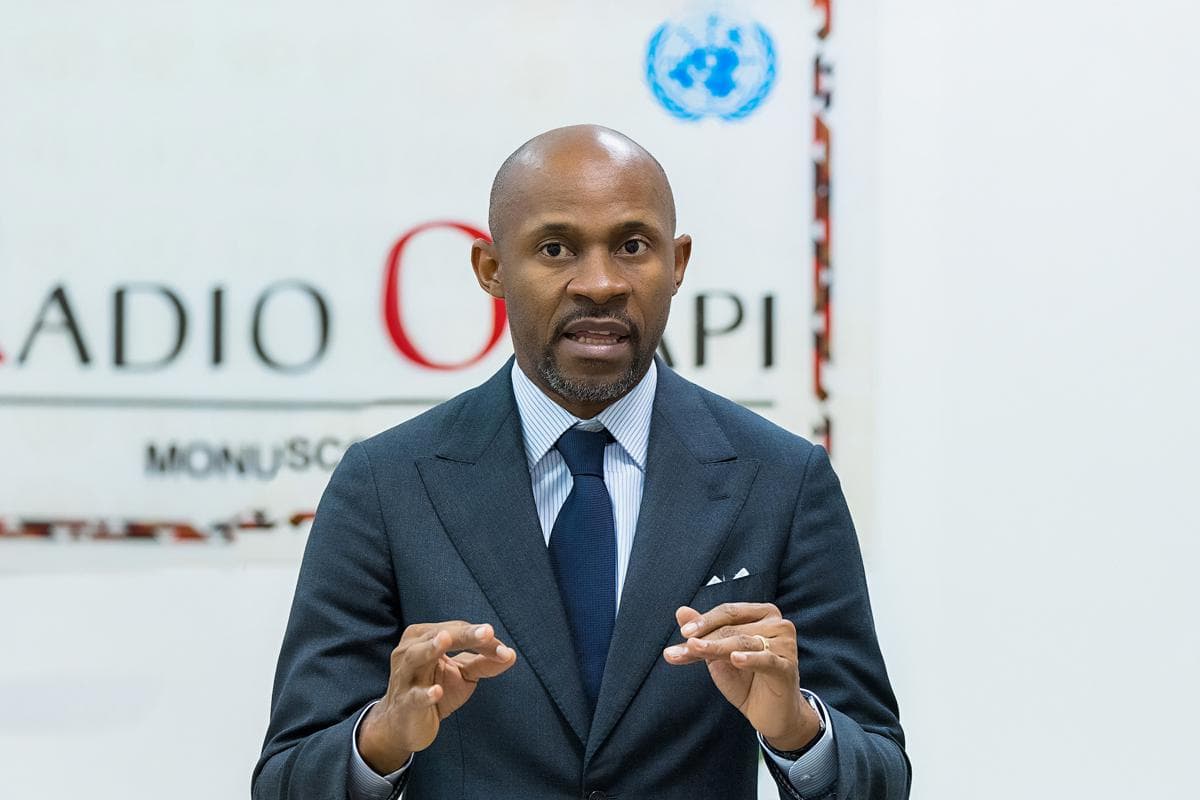
It is worth noting that before the birth of the M23 and its resurgence in 2021, eastern DRC had fewer than a hundred internal armed groups, frequently sustained by eastern Congolese politicians and the Congolese government itself.
Since 2021, the Congolese government has mobilized substantial resources to sell and defend a narrative of Rwandan aggression on its soil, yet the actors of the AFC/M23 are all Congolese, and the movement's demands are tied to internal governance in the Democratic Republic of the Congo.
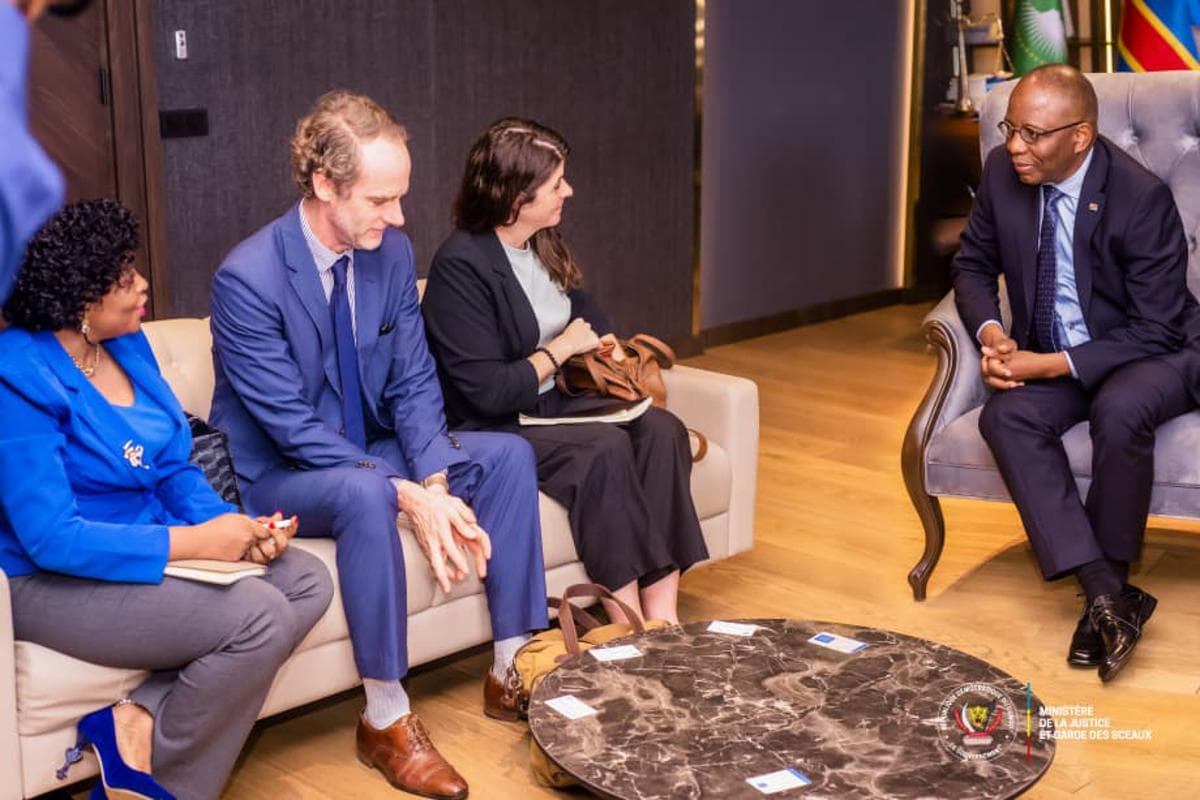
Members of the President's cabinet, the Ministry of Communication and Media, and the Ministry of Foreign Affairs have all launched a major international offensive to rally media outlets, influencers, international organizations, and pressure groups so that everyone accepts framing this internal DRC crisis as a so-called Rwandan aggression.
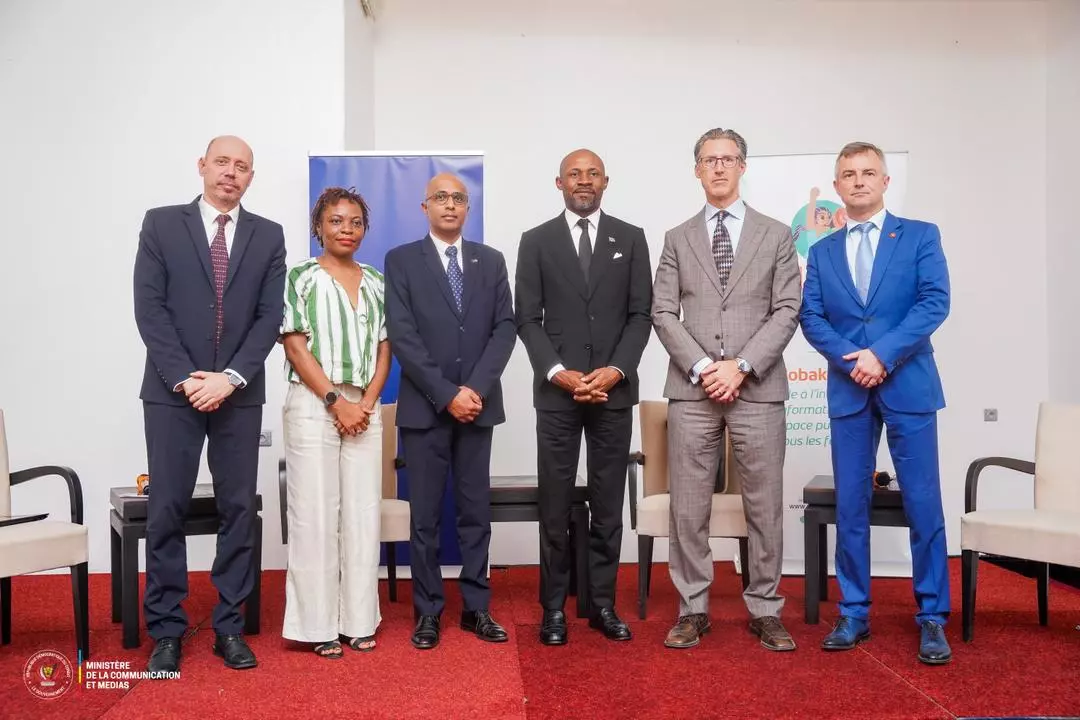
Armed with millions of dollars, certain experts, European lawmakers, NGOs, and media outlets have flooded the world with analyses, reports, and information closely aligned with Kinshasa's narrative.
Hate speech against Congolese Tutsis has been amplified in the media and on social networks at the initiative of Kinshasa, which accuses this community of being in the pay of Rwanda.
Several individuals have been abducted, arbitrarily detained in Kinshasa, burned alive, stoned, and targeted by shellfire all under the complicit silence of international NGOs that prefer making multiple trips between Kinshasa and the West to produce reports incriminating Rwanda as responsible for the Congolese crisis.
Anyone refusing to adhere to the Kinshasa government's narrative is branded a traitor, an enemy of the Republic in the pay of Rwanda, while any genuine analysis and diagnosis of the crisis facing the DRC is dismissed as "Rwandan poison," in Kinshasa's terms.
Journalists, political actors, and civil society members have faced arbitrary arrest and threats, with others forced into exile to escape death simply for refusing to embrace the discourse that makes Rwanda the scapegoat and the cause of governance failures in the DRC.
Days ago, the Congolese government, through Minister of Communication and Media Patrick Muyaya, backed by Congolese cyber-defense services, launched a crackdown on TikTok targeting accounts of media outlets and other Congolese individuals unfavorable to Kinshasa's narrative.
Several accounts, including that of Daraja Media, received flags identifying them as linked to a terrorist movement in order to have them banned from the platform.
Beyond threats, manipulation, and corruption, Kinshasa seeks to silence critical voices those holding the Congolese government accountable and refusing to repeat lies in the name of a so-called patriotism.
“True patriotism lies in reason and common sense; a wound is not healed with water, but with the proper treatment following an honest and unsparing diagnosis. That is what love for one's country truly means.”
Instead, the Congolese government has chosen to lull the people to sleep with lies and manipulation, stubbornly refusing to face the truth and address root causes in order to establish lasting peace in the DRC. Meanwhile, Rwanda moves forward, modernizing its governance and infrastructure for the well-being of its people.
The Involvement of Rwanda
Rwanda's involvement in the current crisis in eastern DRC is restricted and limited to legitimate defense measures following repeated threats made by Congolese President Félix Tshisekedi.
During the 2023 electoral campaign, Tshisekedi promised to bombard Kigali, and in several media appearances, he has never hidden his intention to destabilize Rwanda and provoke a democratic regime change there.
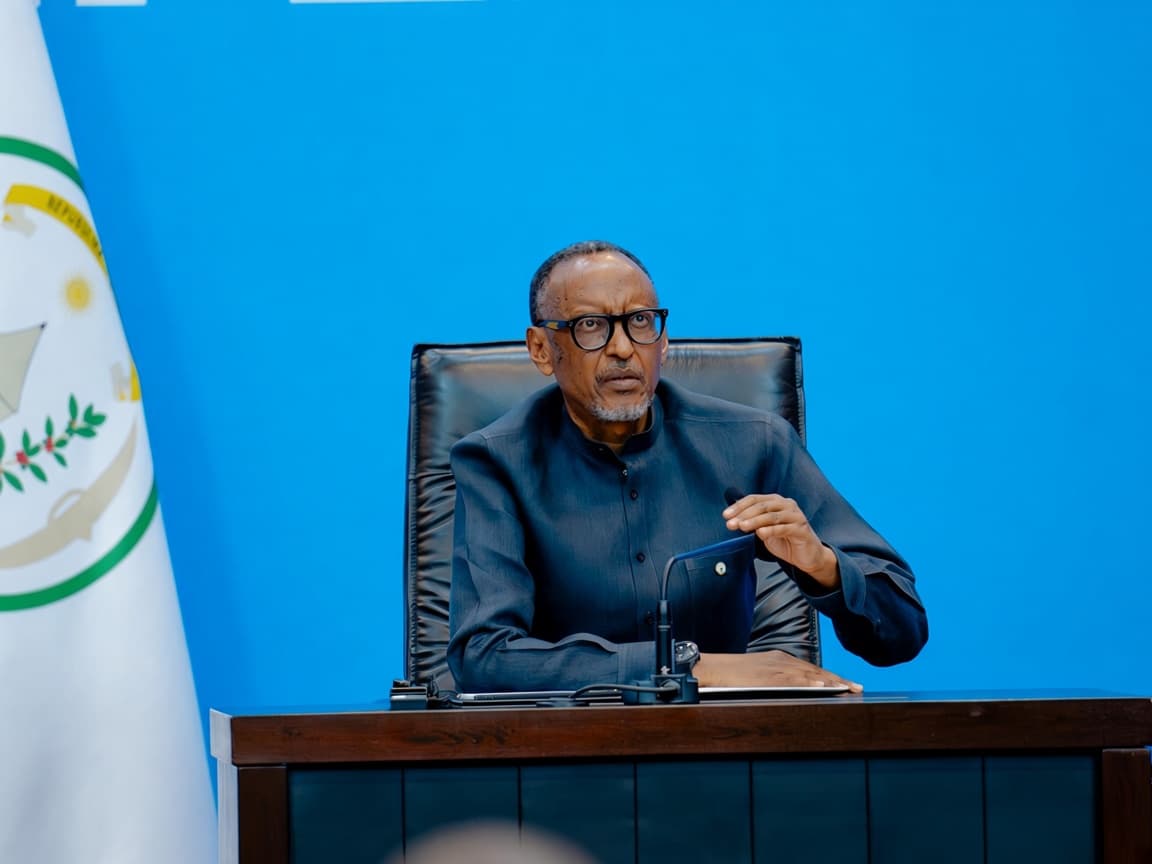
Another threat stems from the Rwandan FDLR rebels, who have been established in eastern DRC for several years and maintain a military alliance with the Congolese army. The Rwandan government has the legitimate right to take steps to secure its people and its territory.
It is up to the Congolese people to hold their leaders accountable and to scrutinize the qualifications of those entrusted with public responsibilities.
The DRC has disputes with nearly all of its nine neighbors, as evidenced by the altercation between the DRC and Congo-Brazzaville armies in August 2026, the occupation of certain Congolese localities by the Zambian army in Mpweto, the border dispute in Kahemba with Angola, and tensions along the border with the Central African Republic.
Comments
Join in — no account needed.
No one has replied yet. Start the conversation.