
Deep Roots of the DRC Crisis: Is the Current Political Opposition an Alternative to the Scapegoating Politics That Has Characterized Various Regimes in the DRC?
Lying, evasion, and a lack of accountability from those in power toward the people have almost become a standard practice and custom among Congolese political actors. Whether in government or in the opposition, everyone avoids confronting the real issues.
For several decades, political instability in the Democratic Republic of Congo has been portrayed as the work of external actors, particularly Rwanda, which is placed at the very top of the accused.
However, as we have demonstrated in various articles on Daraja Media, the Congolese crisis traces its roots back to 1960. Immediately after independence, Katanga under Moïse Tshombe seceded, as did the Kasai region.
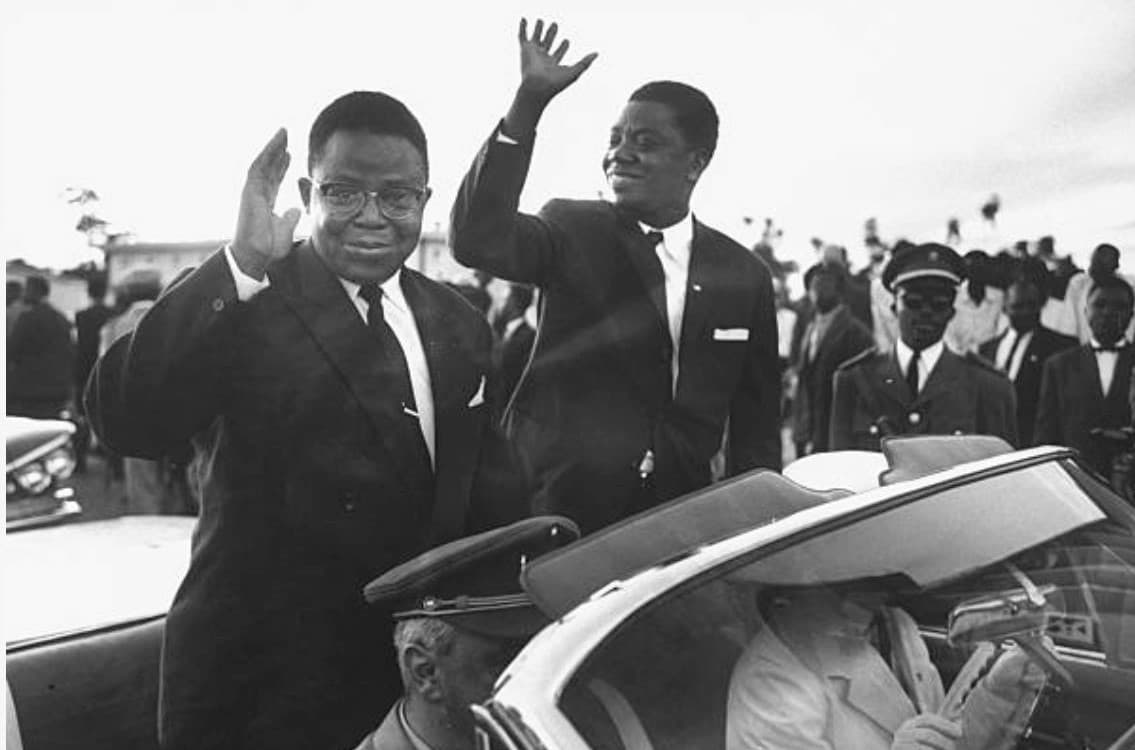
In Kinshasa, President Joseph Kasa-Vubu and Prime Minister Patrice Emery Lumumba were in open crisis. In 1965, Mobutu Sese Seko staged a coup d'état that inaugurated 32 years of political, economic, social, and security instability.
In 2019, after spending several years in opposition, the Union for Democracy and Social Progress (UDPS) the party of late historical opposition leader Étienne Tshisekedi took power through his son, Félix Tshisekedi, raising hope and expectations among the Congolese population.
This party, which opposed Mobutu, Laurent-Désiré Kabila, and Joseph Kabila, had a clean slate, having according to its leaders learned from the mistakes of those who governed the DRC before it.
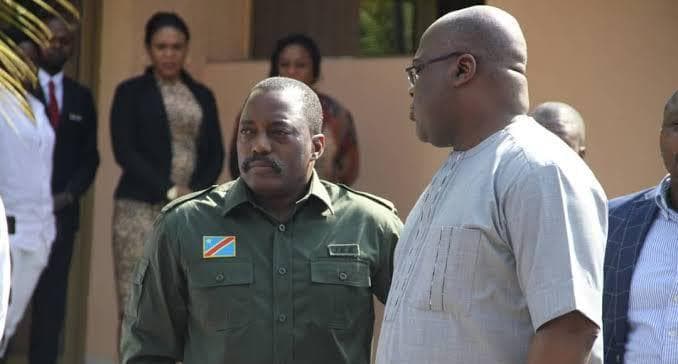
Unfortunately, since 2019, disappointment has set in: Félix Tshisekedi has established a governance worse than that of his predecessors:
- A government founded on tribalism, with appointments to strategic positions reserved for members of his tribe, the Kasai Luba.
- Management marked by financial scandals and embezzlement involving members of the government and his cabinet.
- The plundering of the country's natural resources by members of his biological family, his tribal clan, and his political family.The establishment of a policy of repression, persecution, arbitrary arrests, enforced disappearances, and targeted assassinations against opponents, civil society actors, and other critical voices.
- The instrumentalization of the war in the East for political and economic motives, with procurement contracts for army equipment, uniforms, and munitions awarded to those close to the head of state.
Félix Tshisekedi has plunged the DRC into an impasse. The Congolese population is suffocating, socio-economic, security, and health indicators are flashing red, and the hopes of 2019 have vanished.
Does the current political opposition in Kinshasa constitute an alternative?
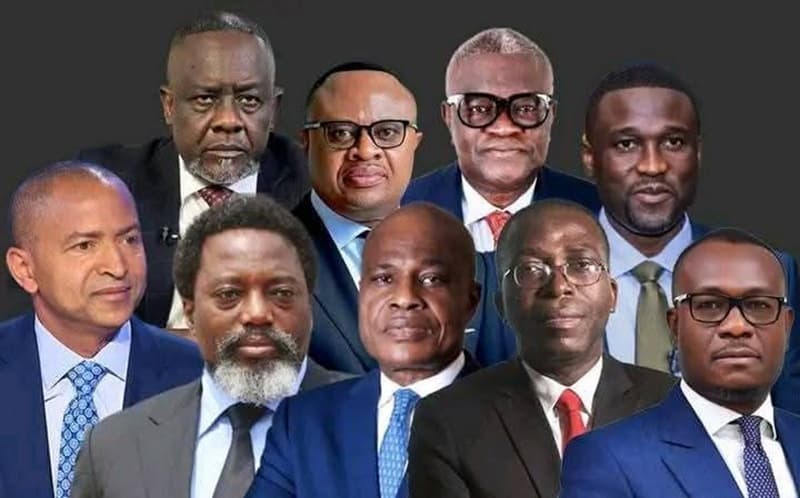
To answer this question, let us examine the actors in place the leaders of the current Congolese opposition their discourse, and their ideological current:
Joseph Kabila Kabange
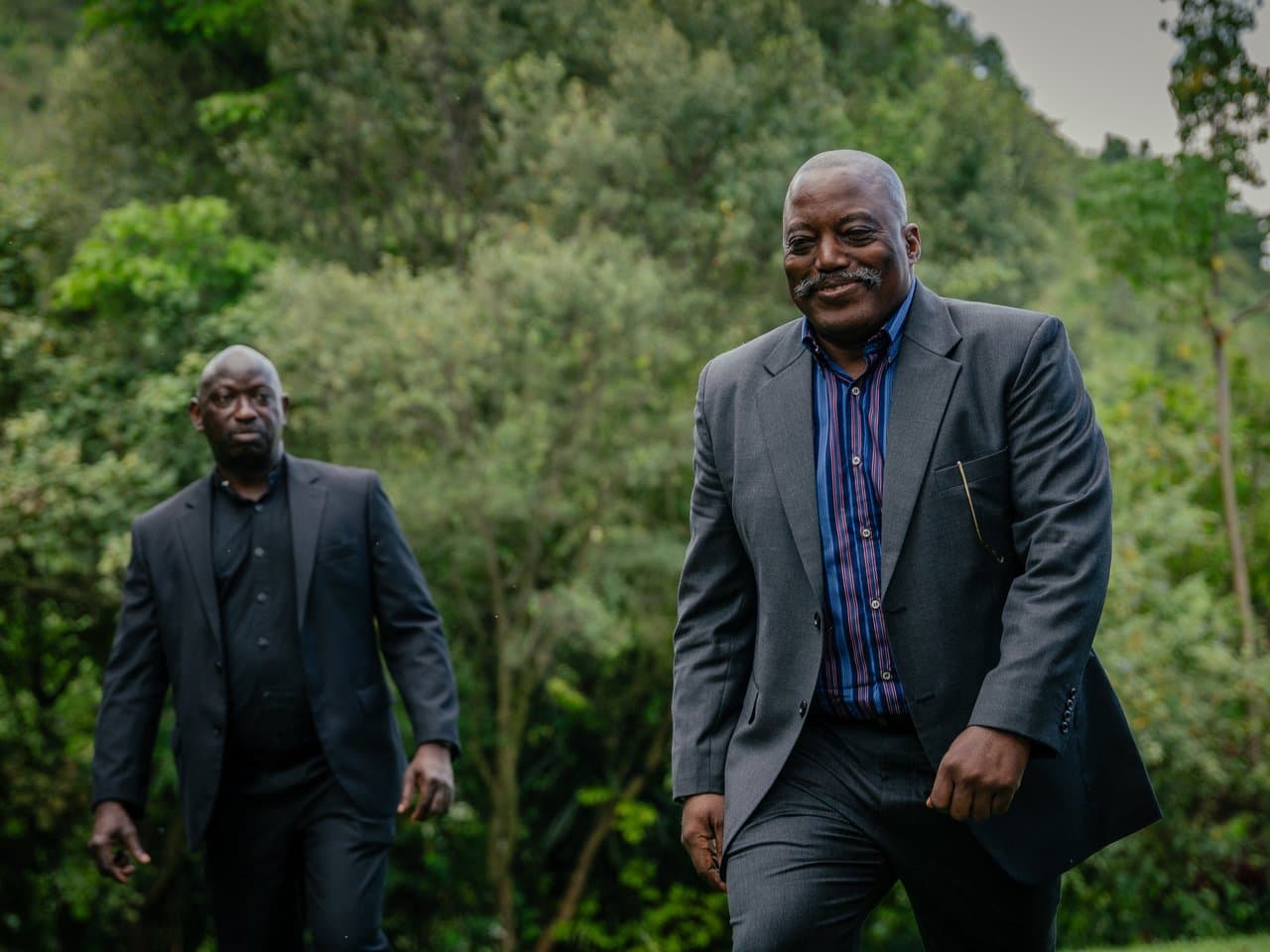
Former president of the DRC, he ruled the country for 18 years. It was he who handed over power peacefully to current President Félix Tshisekedi in 2019.
Subsequently, the Kinshasa administration humiliated him, persecuted his close associates, and sentenced him to death in a political and summary trial, falsely accusing him of being the mastermind behind the AFC/M23 rebellion, which Kinshasa attributes to Rwanda.
Drawing on his experience at the head of the country, Joseph Kabila has an objective and realistic reading of the multi-faceted crisis plaguing the DRC and deems the demands of the AFC/M23 very legitimate and well-founded.
The C64 Coalition
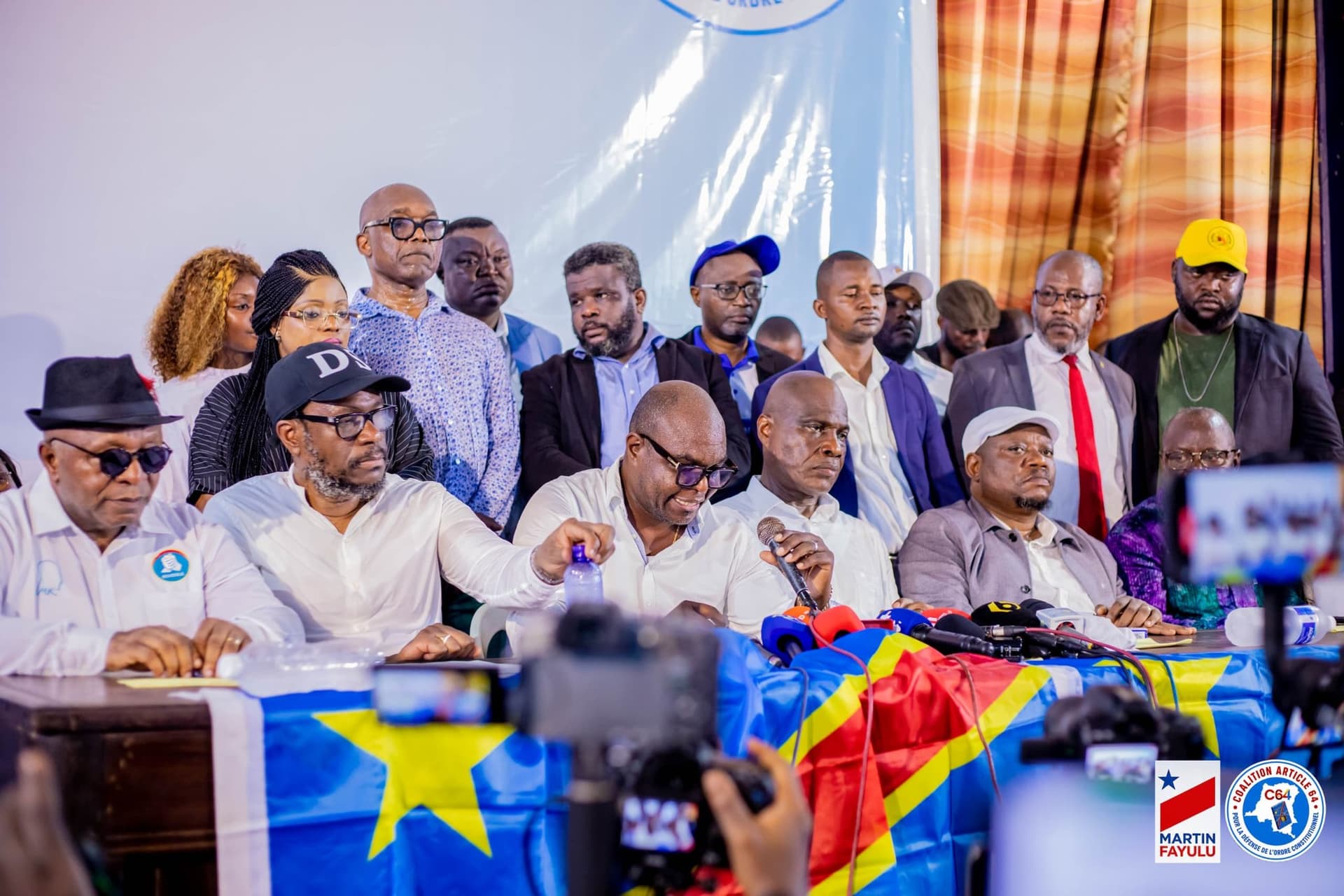
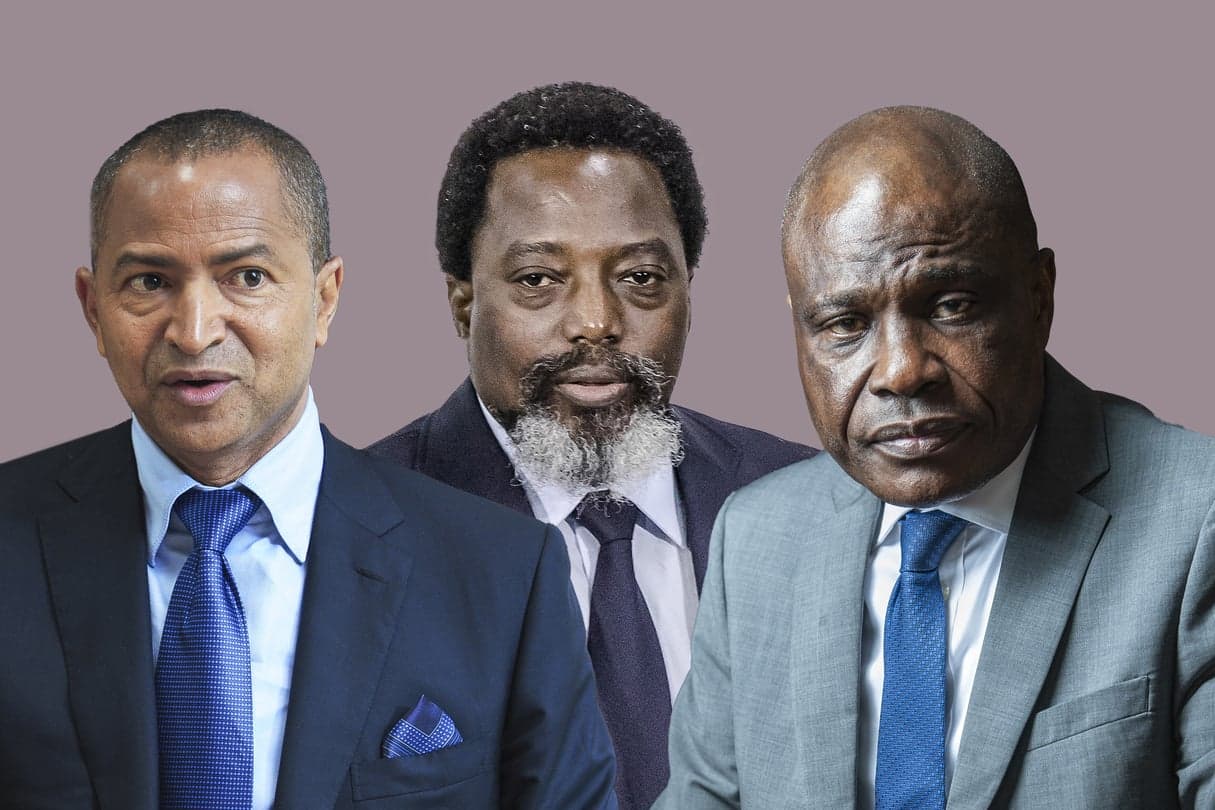
Composed of opposition figures such as Moïse Katumbi, Martin Fayulu, Delly Sesanga, Matata Ponyo, and Jean-Marc Kabund-a-Kabund, this coalition exerted serious pressure on the Kinshasa regime regarding its project for constitutional revision or replacement.
this coalition exerted serious pressure on the Kinshasa regime regarding its project for constitutional revision or replacement. A sit-in and a peaceful march were organized by this platform, forcing the government to resort to the mediation of Burundi's President Évariste Ndayishimiye an ally of Félix Tshisekedi and a co-belligerent in the eastern crisis. At the request of his counterpart, the latter recently invited this opposition coalition with the aim of halting marches and pressure activities.
Although it is the only alliance tolerated by Kinshasa for the political dialogue desired by Félix Tshisekedi, this coalition has thus far rejected the terms and conditions set by the head of state in his recent address to the nation.
Unfortunately, within this coalition, figures like Martin Fayulu share a reading identical to that of the ruling power regarding the situation in the East, which they also attribute to Rwanda.
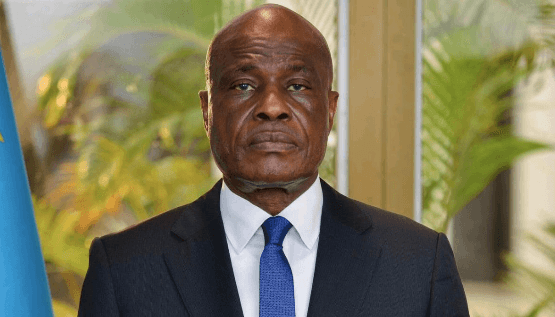
For Martin Fayulu, Congolese Tutsis are perceived as Rwandans, and the AFC/M23 is characterized as a Rwandan rebellion rather than a politico-military revolution driven by Congolese citizens.
The other political actors in this coalition maintain a vague or shifting discourse depending on circumstances and interlocutors.
This state of affairs leads us to believe that, with the notable exception of former President Joseph Kabila Kabange, the rest of the opposition actors in the DRC oscillate between extremism, timidity, or ideological blurriness regarding the root causes of the crisis and the genuine solutions needed to address them.
Each prefers to surf on a populist and political wave, lacking the courage necessary to make a true diagnosis of the situation and liberate the Congolese people from misery.
Comments
Join in — no account needed.
No one has replied yet. Start the conversation.