
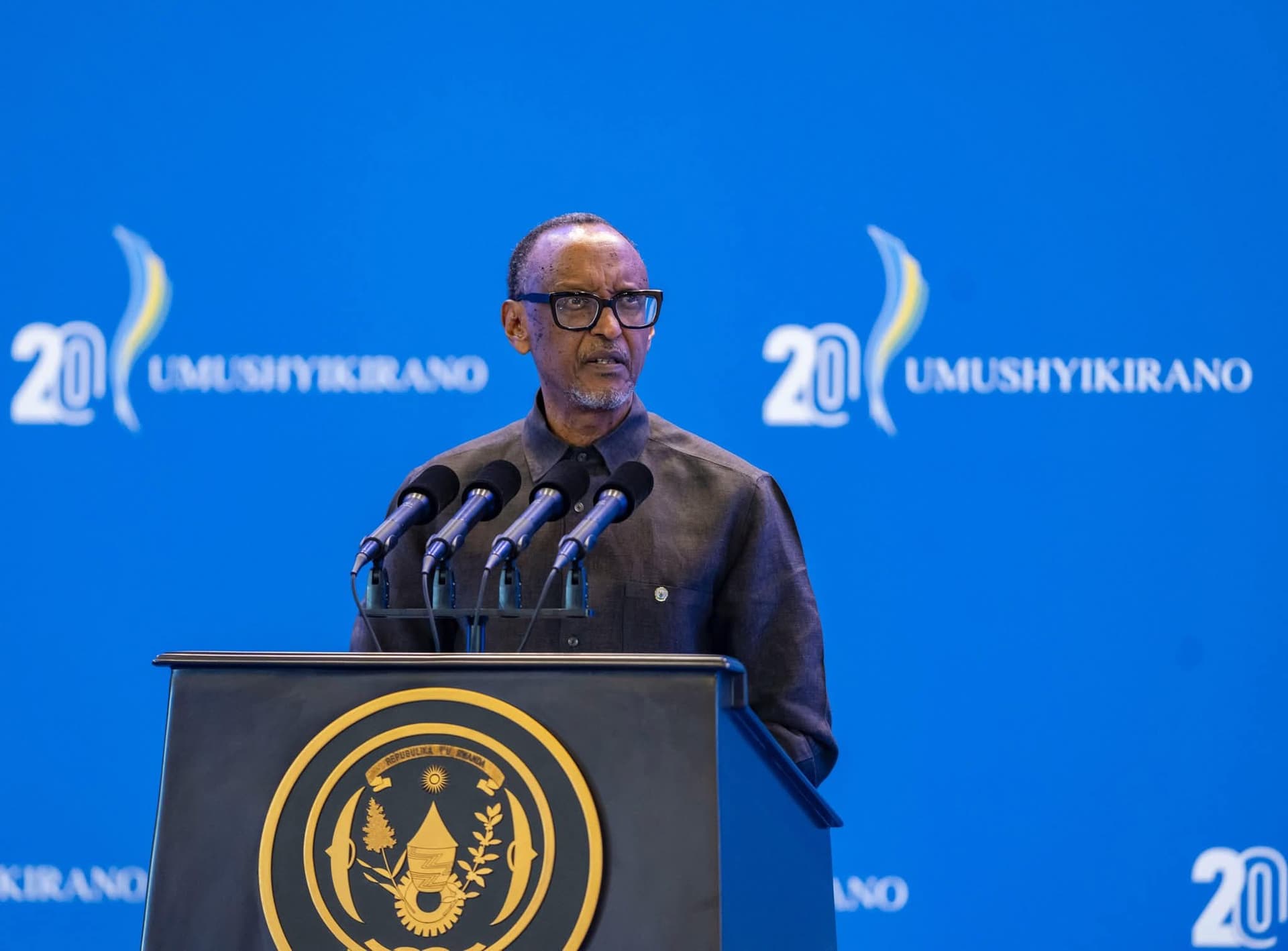
The persistent conflict in the east of the Democratic Republic of the Congo (DRC) continues to shake the stability of the Great Lakes region. Within this complex landscape, marked by a multiplicity of armed actors and diverging interests, Rwanda’s position has established itself as a central piece of the regional and international diplomatic debate. For Kigali, resolving this crisis is inconceivable without a holistic approach in which national security imperatives are treated with the same rigour as humanitarian or political concerns.
Rwanda maintains firmly that any attempt at a lasting settlement must run through rigorous, complete and non-selective implementation of the peace agreements, foremost among them the Washington peace framework. On this view, the commitments made are not diplomatic options to be picked à la carte, but contractual obligations whose observance conditions the return of regional stability.
Neutralising the FDLR: a precondition for peace
For the Rwandan government, the question is not merely a diplomatic concern; it is an existential necessity. The core of the security impasse lies, according to Rwandan authorities, in the persistent handling of the threat posed by the Democratic Forces for the Liberation of Rwanda (FDLR). Foreign Minister Olivier Nduhungirehe and government spokesperson Yolande Makolo recently hammered the point home in media appearances: without the complete and effective neutralisation of this armed group, no real peace can take hold in eastern DRC.
This demand, far from being a new posture, follows on from repeated calls by the United Nations Security Council, which has on many occasions ordered Rwandan armed groups operating on Congolese soil to lay down their weapons and enter the processes of disarmament, demobilisation, repatriation, reintegration and resettlement (DDRRR). Kigali nonetheless points to a troubling gap between international declarations and the reality on the ground, where commitments often remain statements of intent without concrete implementation.
The pillars of Rwanda’s security position
- Complete dismantling of the FDLR’s military and operational capabilities
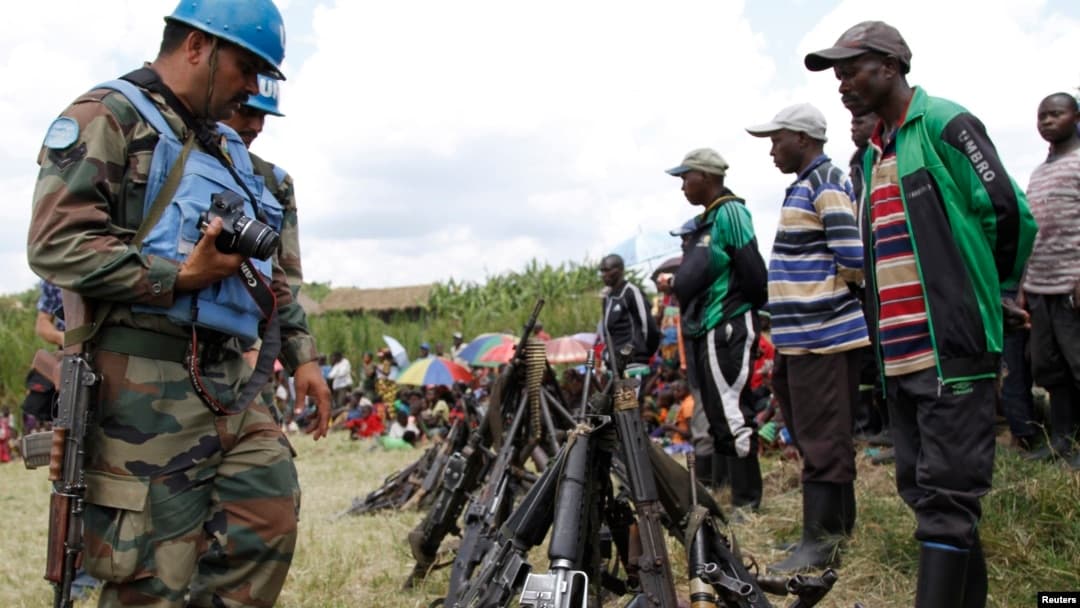
- Disarmament, seizure and neutralisation of the arsenal held by the combatants
- Safe return to Rwanda of disarmed combatants and their reintegration into society
- Immediate cessation of any form of cooperation or logistical support from the Congolese government to the FDLR
A threat with deep historical and ideological roots
To understand Kigali’s uncompromising position on this question, the FDLR must be placed in their historical context. Rwanda insists that this is neither a political party nor a simple pressure group, but an armed organisation whose origin and leadership are intimately bound up with the 1994 Genocide against the Tutsi. That lineage is not a mere historical fact, but the bedrock of an ideology that continues to preach anti-Tutsi extremism.
Allowing such an organisation to retain military structures and operational capacity in the immediate vicinity of the Rwandan border is regarded by the government in Kigali as a direct and unacceptable threat. The failure — or the refusal — to neutralise this group durably constitutes, in Kigali’s view, a security failing that feeds tensions in the region directly.
Human rights violations: a brake on development
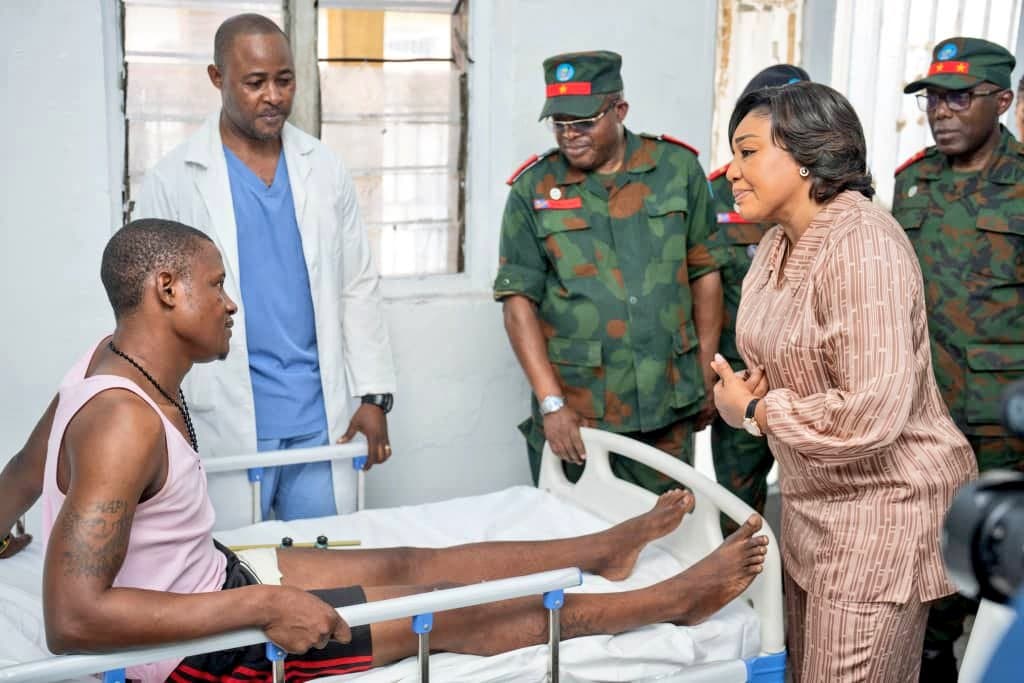
The prolonged presence of the FDLR in eastern DRC does not only carry geopolitical consequences for Rwanda; it also means continued suffering for local Congolese populations. Over the years, United Nations agency reports have documented a litany of human rights violations directly attributable to these groups: targeted killings, systematic sexual violence, forced displacement of populations, looting of resources and the forced recruitment of child soldiers.
For Kigali, this humanitarian reality is inseparable from the security problem. Rwanda argues that as long as the FDLR’s military structures remain active, the populations of eastern DRC will be held hostage and the region’s economic and social development efforts will be obstructed. In pressing for the dismantling of the FDLR, Rwanda considers that it is acting not only for its own security, but also in favour of a safer environment for Congolese citizens.
Implementing the Washington commitments
The Washington accord is seen by Kigali as an opportunity which, to bear fruit, must be applied with absolute rigour. The Rwandan position firmly rejects any “selective application” of the obligations. Where the peace framework provides for security arrangements, those must take priority.
For Kigali, dismantling the FDLR should not be seen as an additional condition, but as the indispensable prerequisite of any process. Implementing the commitments requires:
- Precise registration and disarmament of the combatants.
- Appropriate judicial handling of individuals suspected of serious crimes.
- Voluntary or, where applicable, forced repatriation of eligible combatants.
- Rigorous monitoring to prevent any reorganisation of the armed networks.
Towards a regional vision of stability
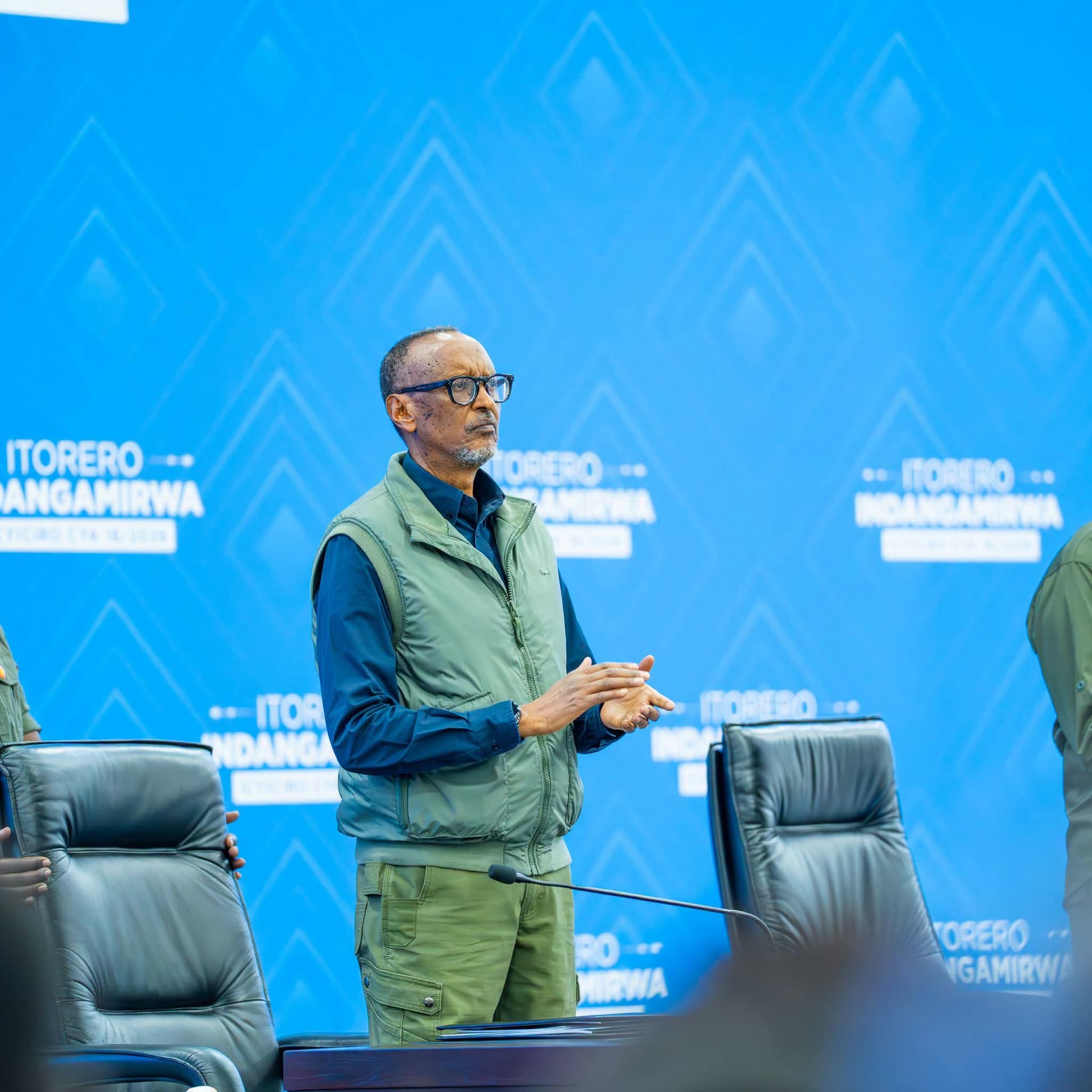
Stability in the Great Lakes region cannot be achieved through partial measures. Rwanda calls for a regional vision in which responsibility is shared, but in which every actor fully assumes its security obligations. The FDLR question is one piece of that puzzle — but a central one.
In arguing for the complete neutralisation of the FDLR, Kigali invites its international partners and the DRC authorities to move beyond the logic of immediate confrontation and tackle the root causes of insecurity. For the Rwandan government, the aim is to end a historical anomaly: an armed group born of a genocide, still active and still armed three decades after the events. Such a situation cannot, in their view, form the bedrock of a lasting peace.
A demand for responsibility and action
At the close of this analysis, Rwanda’s position appears as a demand for consistency and responsibility. For Kigali, peace can only be lasting if the commitments made translate into concrete acts on the ground. Diplomatic speeches and high-level meetings, however useful, cannot replace the security action needed against the armed groups that continue to threaten the region’s stability.
The complete neutralisation of the FDLR, in line with the agreed commitments, remains the barometer of the current peace process’s sincerity. Rwanda stresses that, far from seeking to block the process, its insistence on this point is intended to ensure that the solutions reached are durable. For the future of the Great Lakes, the time has come for real action, for an end to impunity for extremist groups, and for the construction of a regional space in which the security of every state is guaranteed by mutual respect for security obligations.
Comments
Join in — no account needed.
No one has replied yet. Start the conversation.