
From Chaos to Splendor: How Rwanda Overcame the Ordeal of Genocide to Become a Model of Development
The Democratic Republic of the Congo (DRC) has much to learn from the Rwandan model regarding conflict resolution and development recovery.
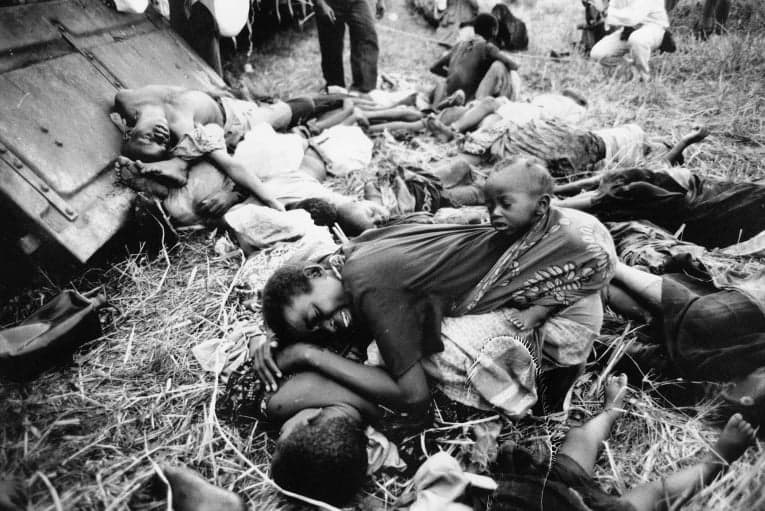
In 1994, Rwanda lived through one of the darkest chapters in its history. The 1994 genocide against the Tutsi will forever stand as one of the most ignoble tragedies of the 21st century.
The direct trigger for the 1994 genocide was the assassination of Rwandan President Juvénal Habyarimana, whose plane was shot down on April 6, 1994. By the following day, an orchestrated killing machine was set in motion. In the span of roughly 100 days, the genocide claimed more than 800,000 lives predominantly Tutsis perpetrated with cold steel or firearms at a blinding speed.
It must be emphasized that long before the genocide broke out, the groundwork had already been laid for these mass slaughter campaigns. During Juvénal Habyarimana’s reign, hatred and discrimination against Tutsis were institutionalized and, above all, deeply ingrained in the population. To the authorities of the time, a Tutsi was a second-class citizen, a source of misfortune, a "cockroach" (inyenzi), and a public danger.
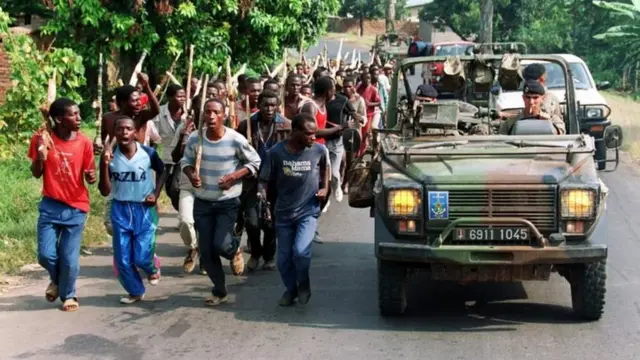
All sorts of theories were developed and taught to the masses by the dignitaries of the Habyarimana regime to discriminate against Tutsis. The eruption of the genocide in 1994 was the result of years of meticulous preparation fueled by the spreading venom of hatred.
Key Actors and Instigators
Hutu Extremists (the "Power" movement): A coalition of radical politicians, regime dignitaries, and intellectuals who theorized and propagated "Hutu Power" ideology.
Armed Forces and the Interahamwe Militia: The Rwandan Armed Forces (FAR) and, above all, the infamous Interahamwe militia ("those who fight together" or "kill together") served as the primary armed wing of the massacres, trained and overseen by the state.
Hate Media: The radio station RTLM (Radio Télévision Libre des Mille Collines) and the extremist newspaper Kangura played a crucial catalyst role by dehumanizing Tutsis (calling them inyenzi, or cockroaches) and broadcasting targeted elimination lists.
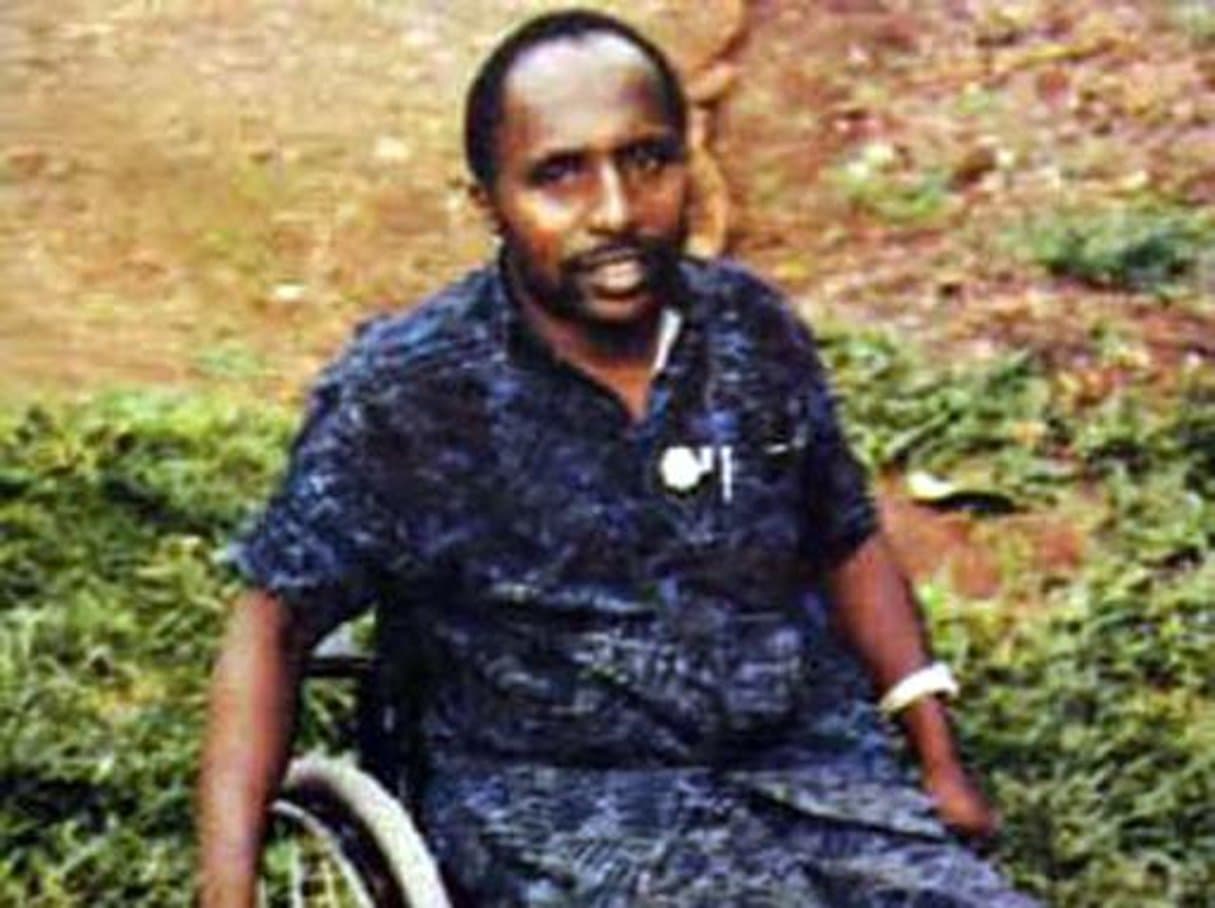
Agathe Habyarimana: Widow of the former president, she has been cited by multiple reports as having encouraged the massacres of Tutsis through the network of influence she commanded at the time.
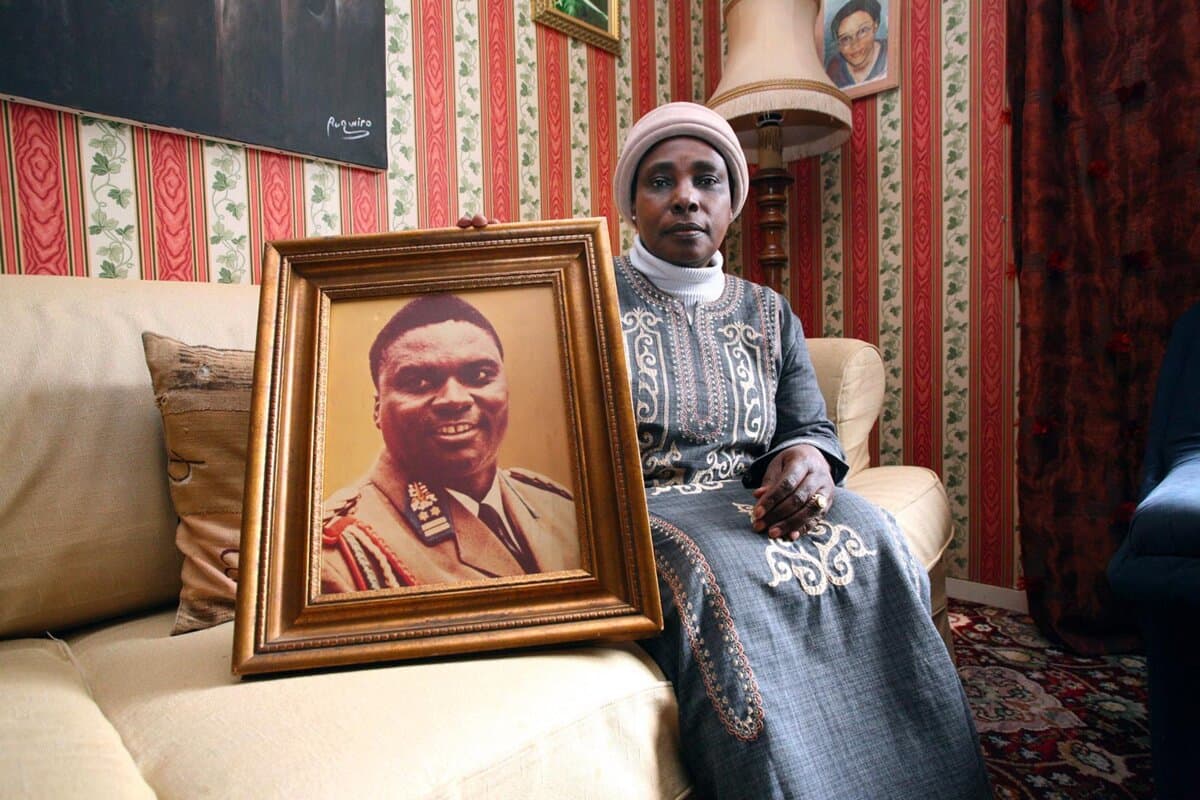
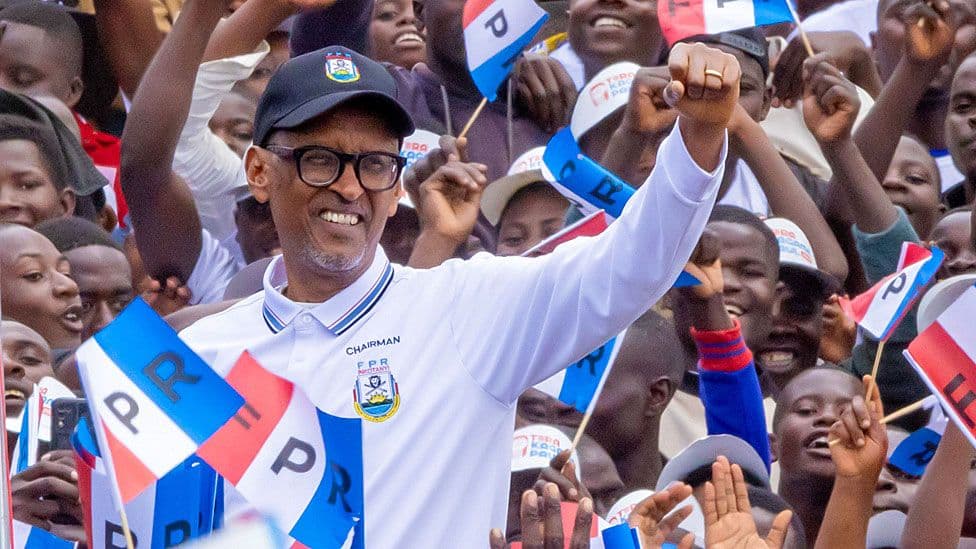
This genocide came to an end in July 1994 thanks to the military victory of the RPF (Rwandan Patriotic Front), a rebel movement led by General Paul Kagame, which took control of the country and halted the slaughter.
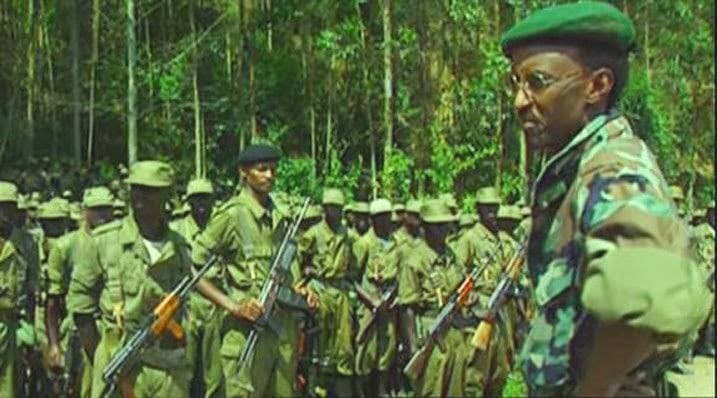
The Policy of Pardon, Peace, and Reconciliation Implemented by the RPF After the Genocide
The policy of pardon, peace, and reconciliation introduced by the Rwandan Patriotic Front (RPF) regime under General Paul Kagame following the 1994 genocide stands as one of the most intensely studied and unique transitional justice processes in the world. Facing a country left completely exsanguinated and devastated on a human, social, and institutional level, the new leadership had to conceive an unprecedented model to escape the trap of vengeance and attempt to rebuild a unified nation.
Methods Implemented at the Time:
- Transcending Ethnic Divides: Upon seizing power in July 1994, the RPF officially banned ethnic designations (Hutu, Tutsi, Twa) from identity cards and the public sphere, introducing the singular concept of "Rwandans." The stated goal was to dismantle the dividing lines that had fueled decades of violence.
- The Primacy of Security and National Unity: For the regime, reconciliation could not be divorced from the strict security of the state. Political stability and economic development became the dual bedrock upon which renewed national cohesion rested.
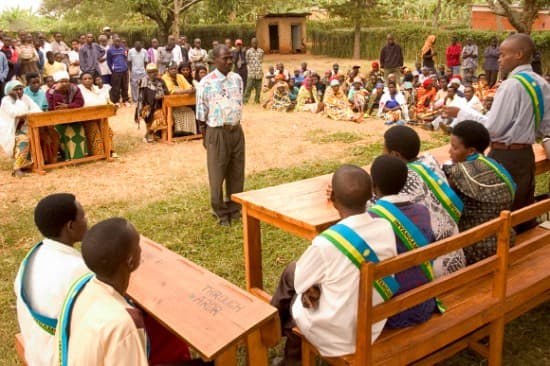
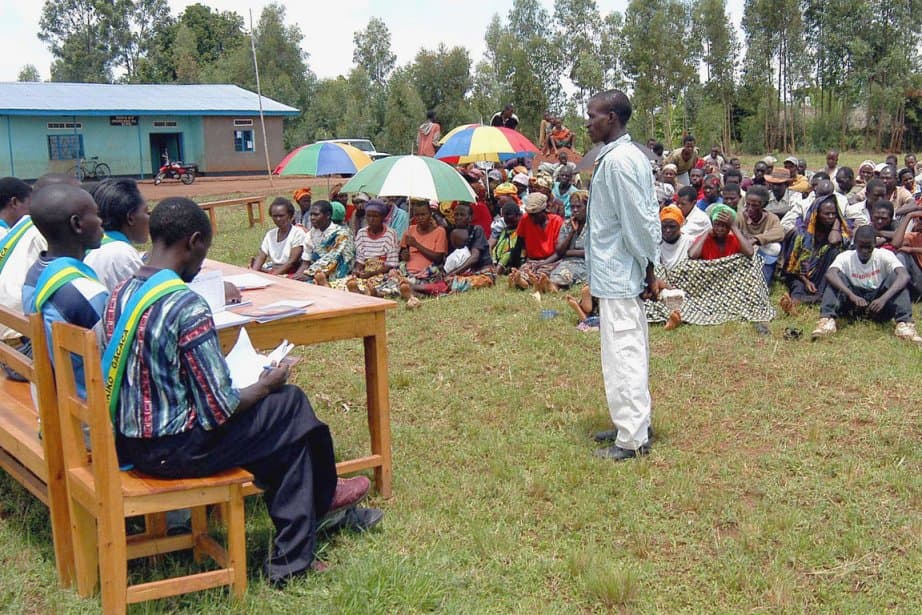
The Gacaca Jurisdictions (2002–2012):
Inspired by traditional village courts where elders settled disputes, Gacaca courts were scaled nationally to try suspected perpetrators of the genocide (excluding alleged planners, who faced the International Criminal Tribunal for Rwanda - ICTR, or ordinary courts).
- Objectives: To decongest overcrowded prisons, accelerate trials, establish truth at the community level, and foster mutual forgiveness.
- Record: Millions of cases processed, allowing numerous survivors to learn how their loved ones perished and where their remains lay. However, the institution also faced criticism from human rights organizations regarding compliance with international fair-trial standards and the absence of accountability for crimes committed by the Rwandan Patriotic Army (RPA) during the same period.
- The National Commission for the Fight Against Genocide (CNLG) and the National Unity and Reconciliation Commission (NURC): Established to institutionalize memory, raise public awareness, and promote civic values of tolerance. "Peace clubs" and civic re-education camps (Itorero) were multiplied to instill the state's vision of national unity into the youth and civil servants.
- Restorative Justice and Survivor-Repentant Associations: Grassroots structures like Never Again Rwanda and the Citizens' Network fostered inter-communal dialogue. Perpetrators who had served their sentences or asked for forgiveness were able to settle alongside survivors in "reconciliation villages" (such as in Mbyazo), enabling practical day-to-day cohabitation.
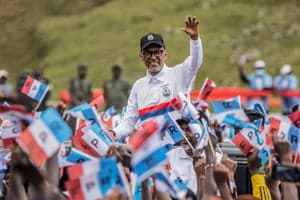
President Paul Kagame’s reconciliation policy averted an infinite spiral of immediate inter-ethnic blood feuds and equipped Rwanda with stable infrastructure and notable economic growth.
Rwanda's Journey: From a Ruined State to a Development Model
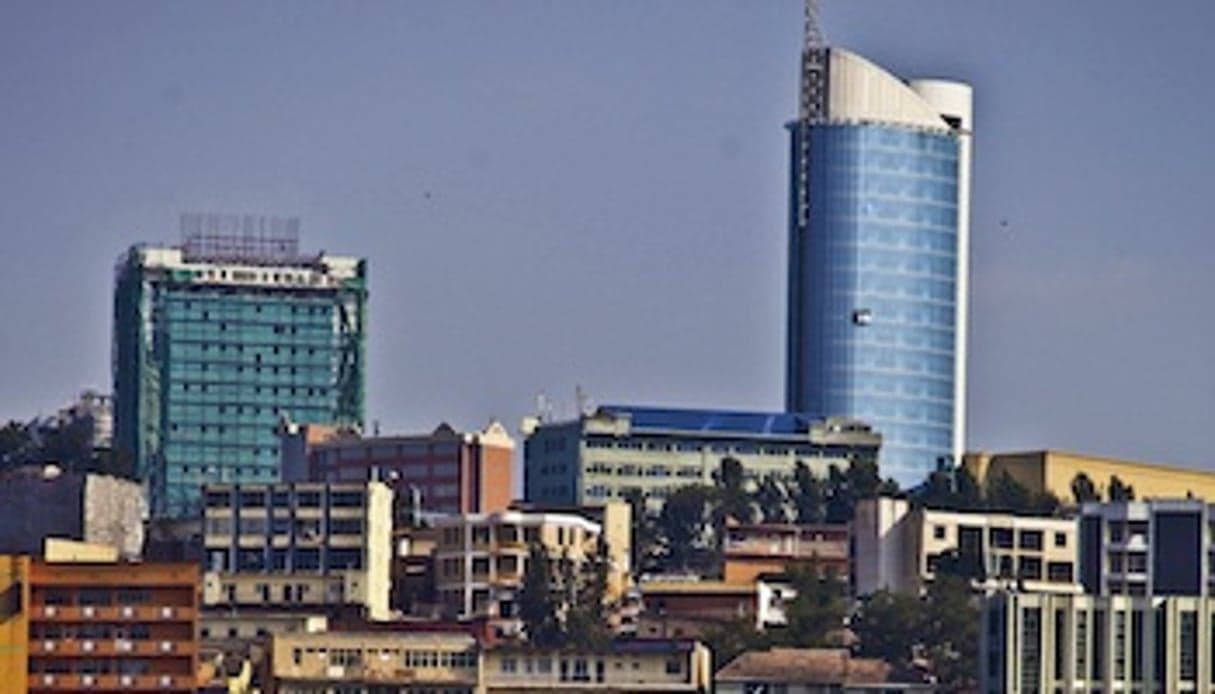
Rwanda's trajectory since the tragic 1994 genocide against the Tutsi is one of the most remarkable examples of national resilience and socio-economic transformation globally. In just over three decades, the country has transitioned from a failed state in ruins to a beacon of development and stability in East Africa.
The Rwandan government implemented policies centered on national cohesion, the abolition of official ethnic distinctions in identity papers, and transitional justice, notably through traditional Gacaca courts.
The country has built a rigorous administration, widely perceived as one of the least corrupt on the continent, powered by a strategic state capable of long-term planning (national frameworks such as Vision 2020 and Vision 2050).
Poverty has sharply receded, plunging from over 75% in the post-genocide years to roughly 27%, while life expectancy and health indicators (such as crashing infant mortality rates) have recorded spectacular leaps.
Robust and Sustained Economic Growth
Macroeconomic Dynamism:
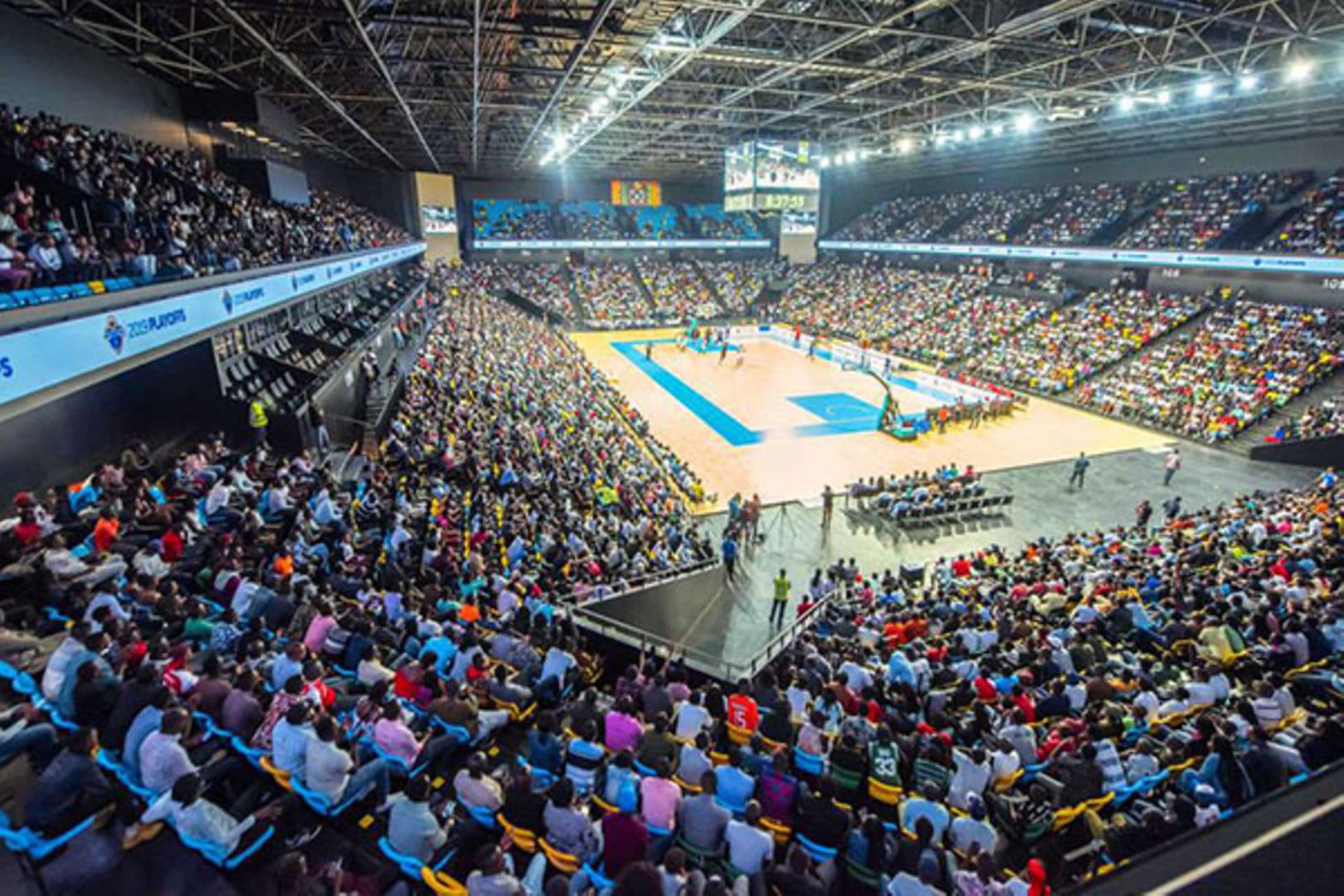
- Over the past two decades, Rwanda has posted one of the highest GDP growth rates in Africa, averaging 7.5% to 8% annually. This momentum continued with a 9.4% growth rate and double-digit expansion heading into the mid-2020s.
- The Rwandan economy successfully absorbed consecutive shocks (the COVID-19 pandemic, global inflation tied to geopolitical crises) thanks to strict fiscal management and targeted public investments.
The Rwandan economic model relies on diversification and a transition toward higher value-added sectors:
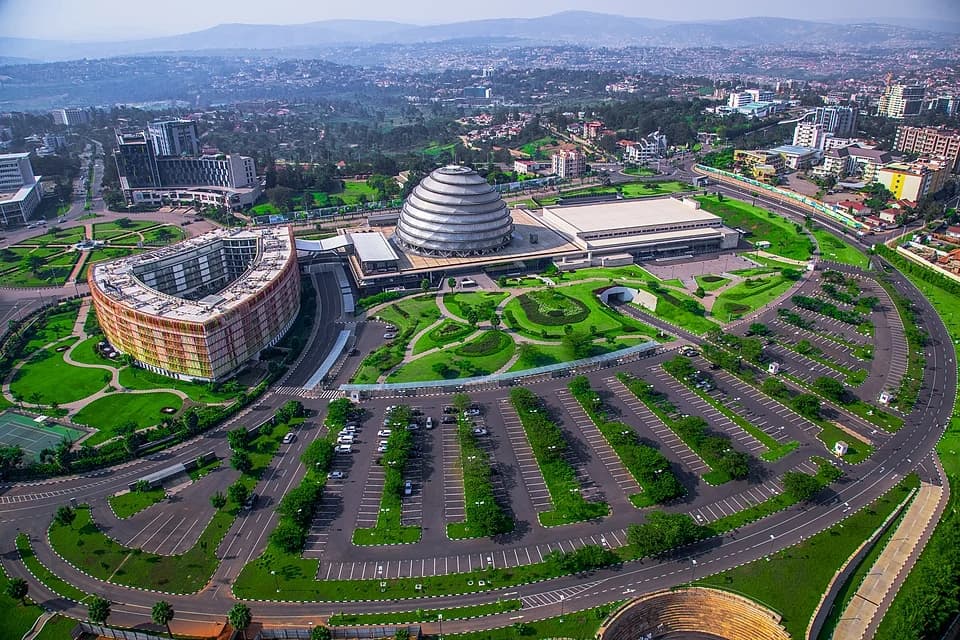
The Services Sector (The Main Engine): Accounting for over half of the GDP (around 52%), it encompasses MICE tourism (international conferences and business events), Information and Communication Technologies (ICT), and financial hubs. Kigali has emerged as a recognized technological and service center in Africa.
Industry and Construction: Displaying rapid growth (surpassing 13% recently), this sector is driven by manufacturing, mining (notably strategic minerals like coltan, tin, and tungsten), and massive infrastructure projects such as the Bugesera International Airport.
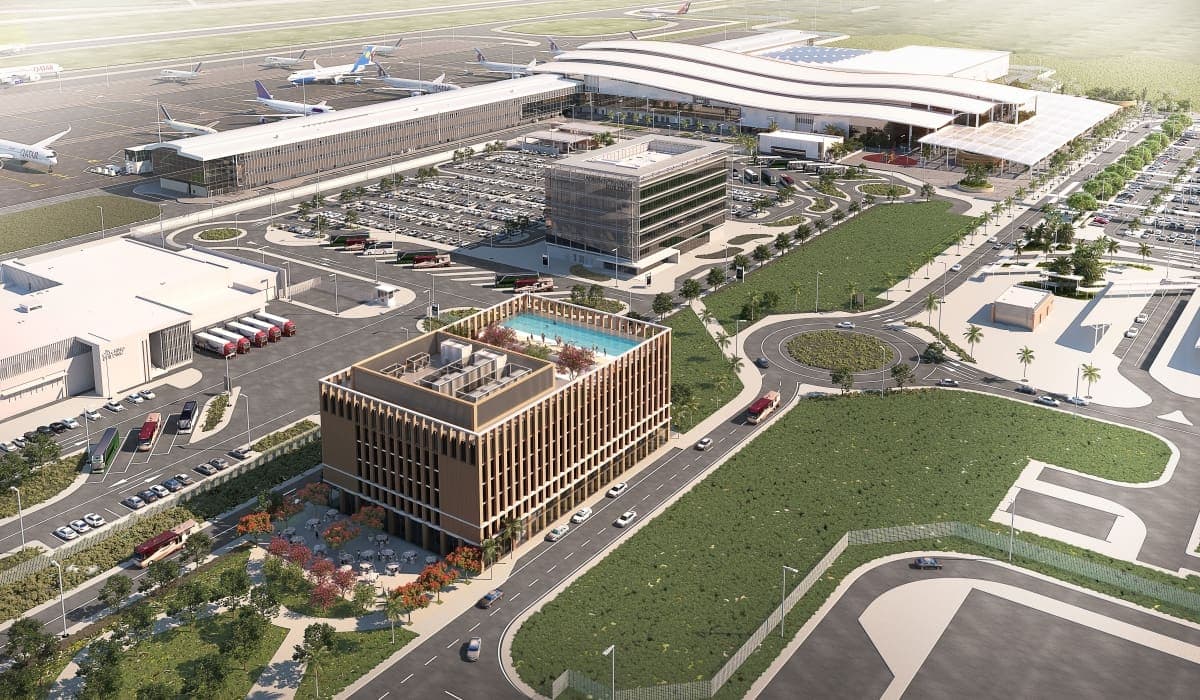
Modern and Export Agriculture: Though historically the backbone of employment, agriculture is actively modernizing. The country heavily prioritizes high-value cash crops (coffee and tea) whose exports are surging, while mitigating climate vulnerabilities affecting food crops.
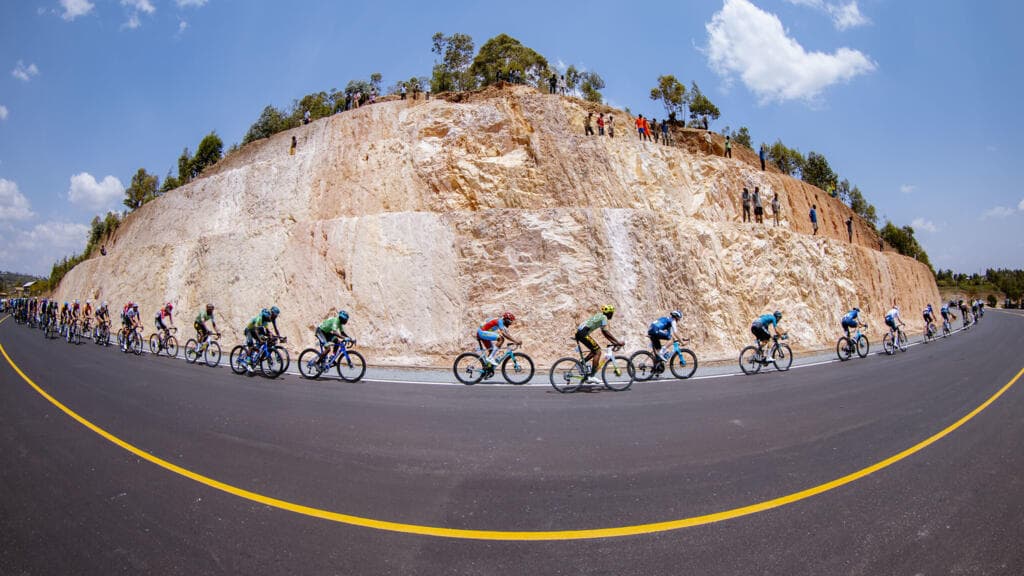
Furthermore, Rwanda boasts a highly developed road network ranking among the finest in Africa. The Bugesera Airport, currently under construction via a partnership with Qatar Airways, will become the largest in East and Central Africa, cementing Rwanda's status as an indispensable hub in Sub-Saharan Africa. Additionally, Rwanda commands top-tier Internet penetration rates on the continent alongside expanding medical technology access for its population.
Current Challenges in the DRC and Lessons from the Rwandan Model
The Democratic Republic of the Congo (DRC) is navigating a period of profound turbulence, marked not only by armed conflict in its eastern provinces but also by an alarming resurgence of hate speech, xenophobia, and inter-communal tensions.
The Question of Tutsis and Hema:
Within the Congolese public debate, certain political figures and institutional authorities allow a dangerous rhetoric to fester, branding Kinyarwanda-speaking minorities (such as Congolese Tutsis and Banyamulenge) or other groups as "foreign bodies" or "infiltrators." Public statements by political actors such as recent remarks by opposition figure Martin Fayulu contesting the autochthony of the Banyamulenge have been sharply denounced by observers as a denial of national belonging echoing pre-genocidal logics. Similarly, in the northeast (Ituri), historical tensions have frequently fueled violent targeting of the Hema community.
Persecution Targeting Swahili-Speakers and Katangans:
Human rights organizations also warn of a generalized climate of suspicion directed against Katangan nationals and Swahili-speaking populations, perceived by certain circles in power as potential opponents or sympathizers of the former regime, exposing them to arbitrary arrests and targeted harassment.
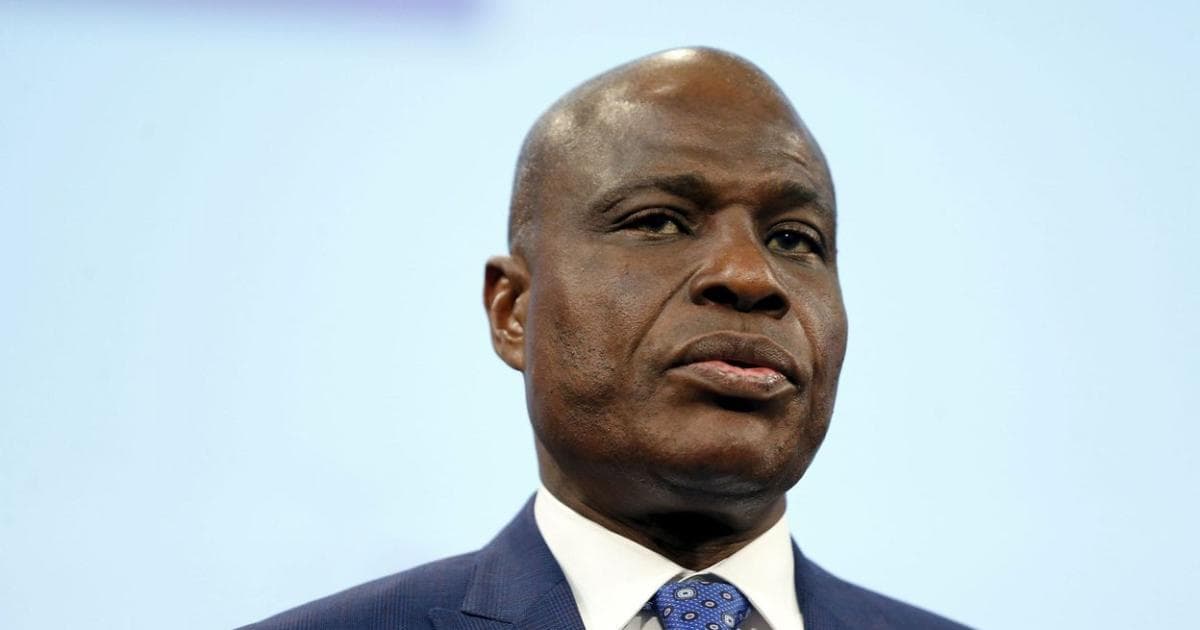
Martin Fayulu's recent anti-Tutsi statements bear witness to this spreading venom of hatred reminiscent of the pre-genocide era in Rwanda, where a population was stripped of its belonging to its own homeland.
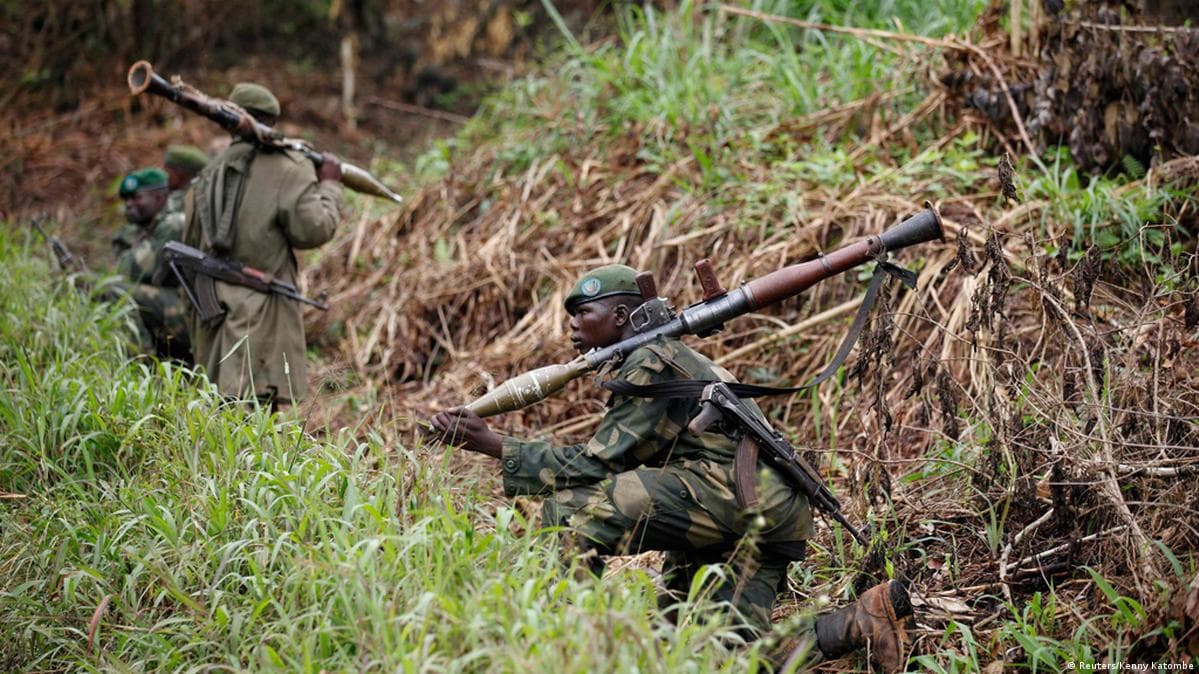
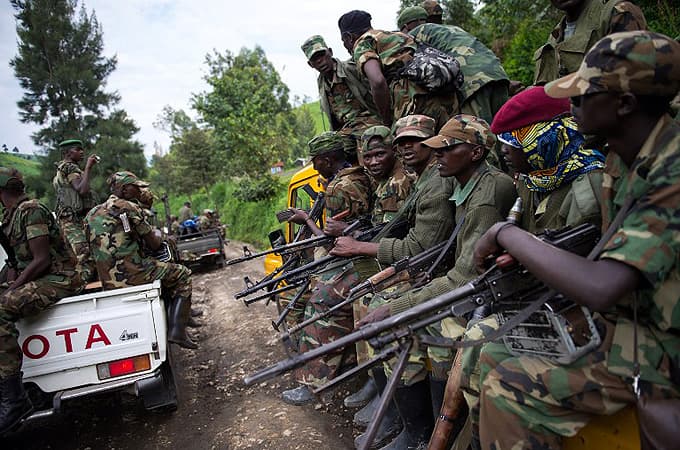
On the military front, civilian Congolese Tutsis living in North Kivu provinces face daily bombardments by military drones and Sukhoi jets, alongside other abuses perpetrated by the Congolese army in coalition with the Burundian army, the FDLR (Rwandan rebels who participated in the 1994 genocide against the Tutsi), the Wazalendo, and white mercenaries.
Lessons from Rwanda for the DRC
The Democratic Republic of the Congo (DRC) has much to learn from the Rwandan model regarding conflict resolution and development recovery. Rwanda implemented drastic institutional and security reforms post-1994, enabling it to project international credibility for political stability and economic growth.
Pillars of the Rwandan Model That Should Inspire the DRC:
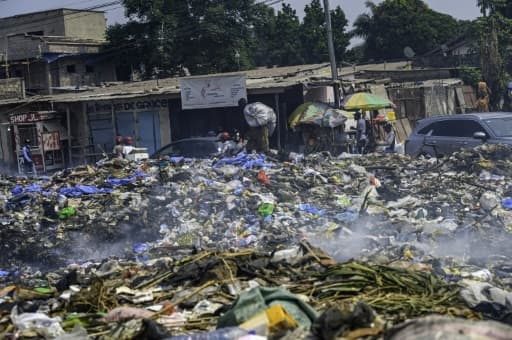
- Rwanda succeeded in uprooting tribalism and hate speech from civic life (with ethnic labels like Hutu or Tutsi formally absent from modern administrative citizenship). Congolese authorities are urged to legislate and decisively discourage tribal hatred and ethnic discrimination.
- Rwanda relies on a rigorous administration, zero tolerance for bureaucratic corruption, and strong state centralization, which guarantee the swift execution of public policies.
- Long-term strategies (like Vision 2050) transformed Kigali into a regional hub for services, business tourism, tech, and foreign investment attraction. The DRC must draw inspiration from the digitalization of public services and business climate improvements to slash endemic corruption, formalize the mining economy, and attract transparent productive investments.
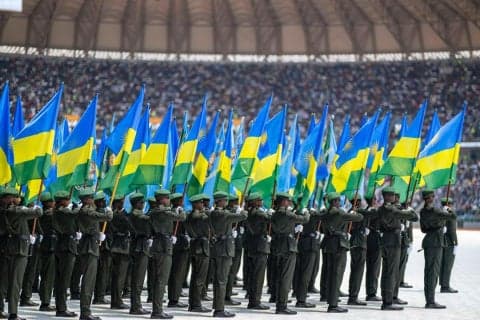
Rwanda's security apparatus (RDF) is structured, disciplined, and backed by a rigorous defense doctrine, enabling it to secure national territory and intervene strategically within the subregion. The DRC must enforce iron-clad discipline, rigorous tracking of military supply chains, and zero tolerance for internal impunity to dismantle internal complicity networks (infiltration and political-military "mafias").
Comments
Join in — no account needed.
No one has replied yet. Start the conversation.