
Eastern Democratic Republic of the Congo (DRC) has constituted, for over three decades, one of the most unstable and lethal zones on the planet. Beyond the emblematic case of the Rwandan rebels of the Democratic Forces for the Liberation of Rwanda (FDLR), this region serves as the operational theater for a multitude of armed groups sowing daily terror. The vast majority of these militias are maintained according to numerous observers and institutional reports from Kinshasa by political circles, notably originating from eastern DRC, who instrumentalize insecurity to secure and perpetuate the illicit exploitation of natural resources.
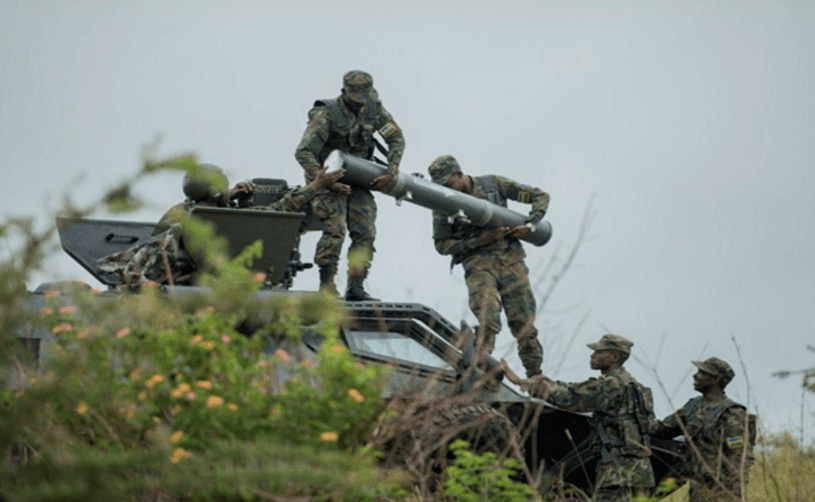
Within this chaotic operational theater, the Congolese state has demonstrated a chronic incapacity, if not a manifest lack of political will, to neutralize cross-border threats. Faced with this institutional decay, Rwanda, as a sovereign state concerned with the security of its people and its territorial integrity, finds itself legitimately founded in taking all necessary measures including the establishment of a security zone at its borders to preempt an existential threat tolerated, armed, and integrated by Kinshasa.
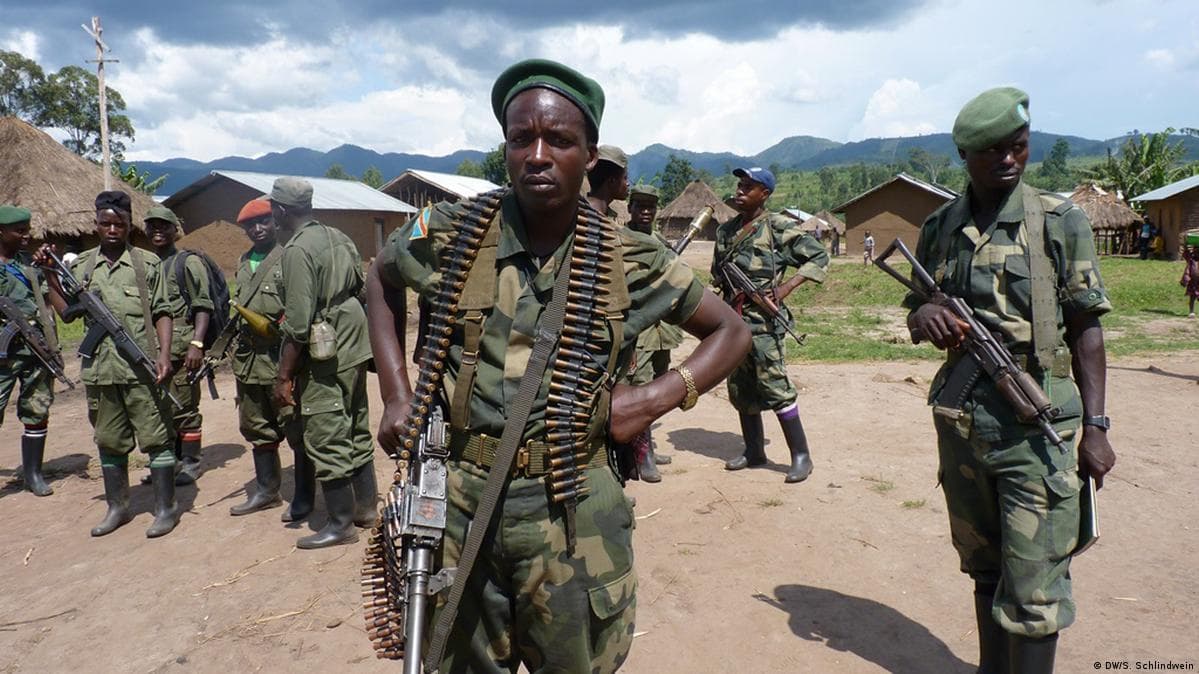
Since 1994, the remnants of the Rwandan genocidal regime responsible for the massacre of Tutsis have found refuge in eastern DRC. Far from laying down their arms, the FDLR have deeply entrenched themselves, developing a genuine cross-border war economy based on the illegal exploitation of charcoal, gold, and cocoa. Their ideological objective has never wavered: to overthrow the democratic government in Kigali and complete the extermination of the Tutsis.
The Toxic FARDC-FDLR Alliance
The situation reached a critical threshold over the past five years. The Congolese government chose to integrate former FDLR genocidaires directly into the ranks of the Armed Forces of the Democratic Republic of the Congo (FARDC). This integration forms part of a broad, heterogeneous coalition involving the Burundian army and the extremist Wazalendo militias, united solely to combat the M23, a Congolese rebellion systematically attributed by Kinshasa to Rwanda.
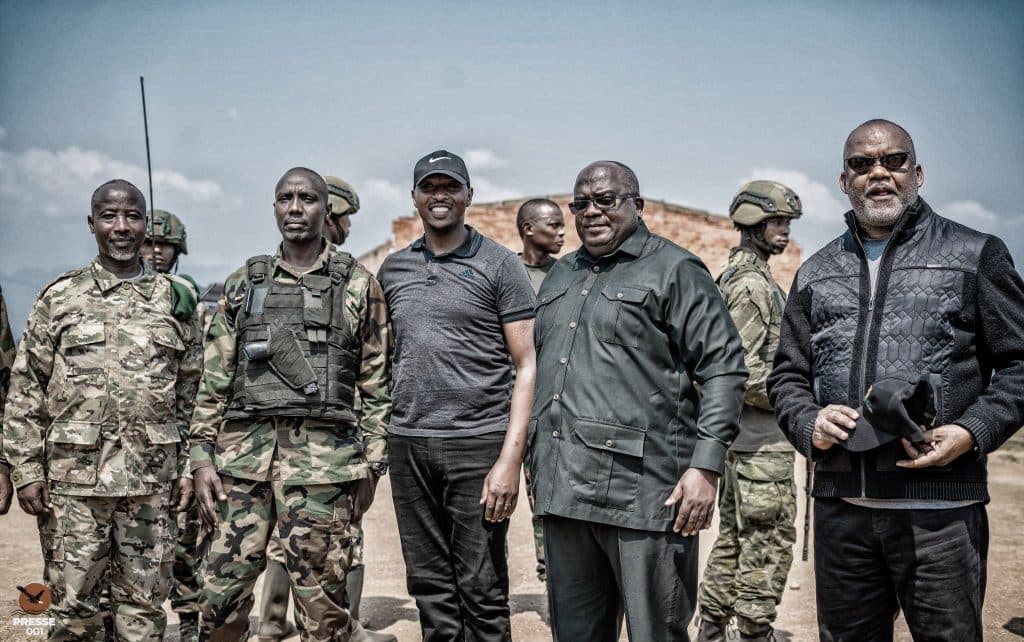
Worse still, authorities in Kinshasa regularly host political leaders of the FDLR. These rebel figures travel back and forth between their Congolese exile base and the Congolese capital to plan subversive actions and terrorist incursions against Rwandan territory, transforming the DRC into a permanent rear base for aggression.
Preventive and Cross-Border Self-Defense: A Universal Principle
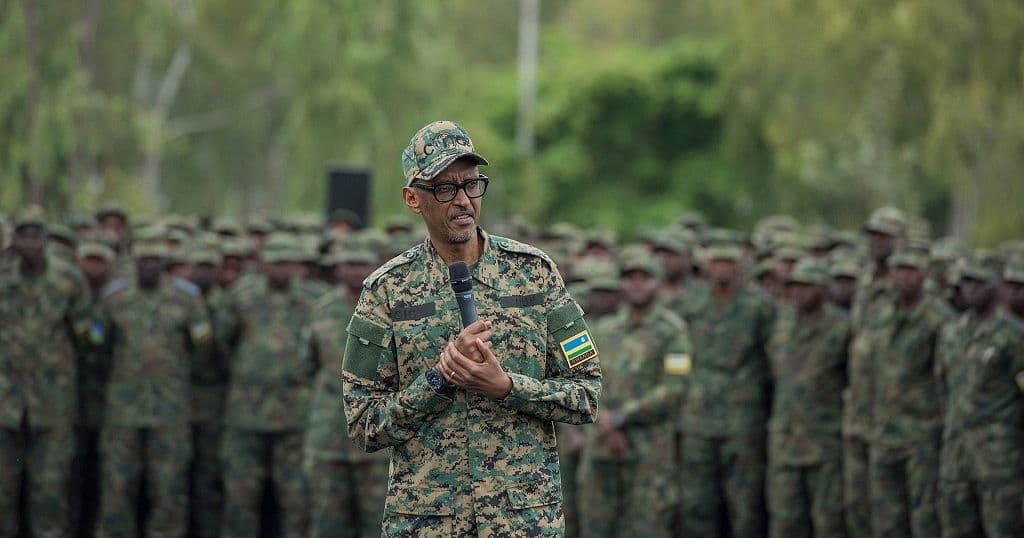
Under international law, no state is required to passively tolerate a neighboring country becoming a sanctuary for an armed force whose stated project is its destruction. When a host state is incapable or refuses to neutralize an imminent threat, the doctrine of self-defense permits unilateral cross-border actions to protect its population.
Comparative Examples of Modern International Practice
- Turkey's Operations in Iraq (Operations Claw / Pençe): The Turkish army regularly conducts ground incursions and major aerial bombardment campaigns in the Iraqi Kurdistan region. Facing the PKK, which is designated as terrorist and possesses rear bases in Iraq, Ankara invokes the international right of self-defense, deeming that Baghdad possesses neither the capacity nor the willingness to act.
- Iran's Operations in Iranian Kurdistan (Iraq): Iran's Islamic Revolutionary Guard Corps (IRGC) carries out missile strikes, drone strikes, and cross-border artillery deployments in northern Iraq against Iranian Kurdish separatist factions (such as the PDKI and Komala), justifying these actions by the imperative need to shatter cross-border insurgent networks threatening its internal stability.
- Pakistan's Bombardments in Afghanistan: Islamabad periodically intervenes across its border to eliminate terrorist sanctuaries (notably factions of the Tehrik-e-Taliban Pakistan) when the Afghan government fails to control its territory.
- Western Powers and Russia: The United States, France, and the United Kingdom travel thousands of kilometers to eliminate asymmetric threats abroad. Similarly, the Russian Federation justifies its military operation in Ukraine by the same absolute imperative of national security in the face of what it perceives as an intolerable strategic encirclement.
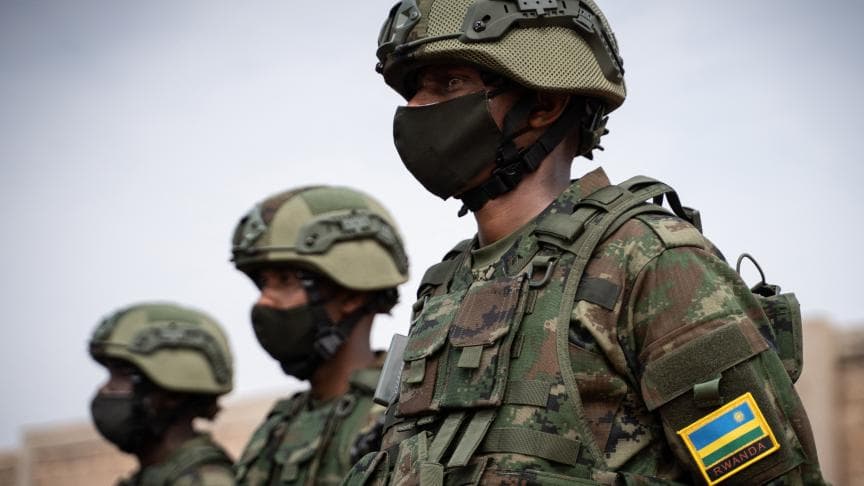
Consequently, denying Rwanda the right to secure its borders or establish a buffer zone in the face of terrorists endorsed by Kinshasa amounts to an unacceptable double standard.
Defending the Achievements of Reconstruction Against Persistent Threats
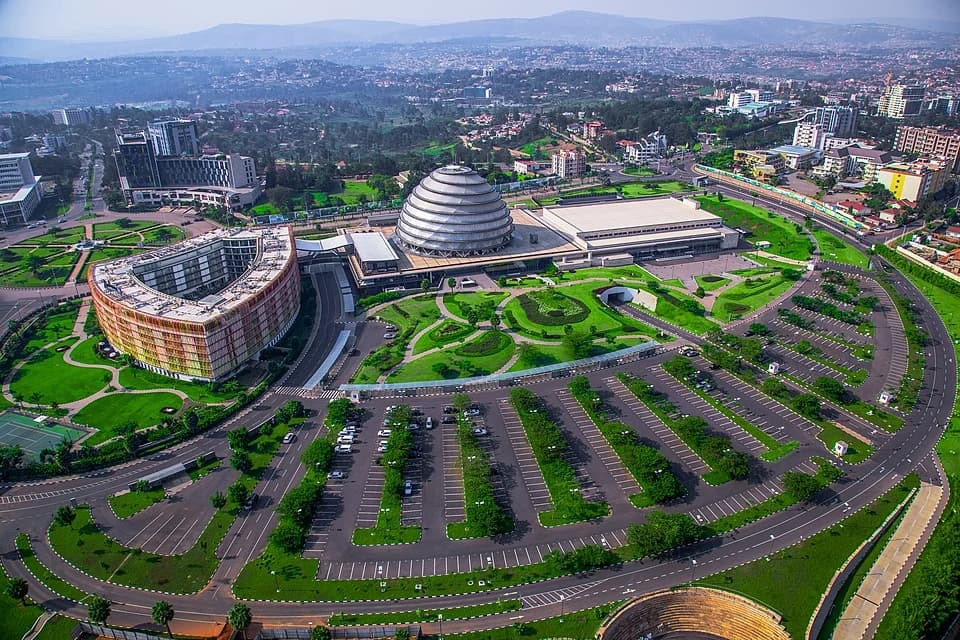
Following the harrowing genocide experienced by Rwanda in 1994, the country has achieved through 32 years of relentless efforts in reconstruction, reconciliation, and rigorous governanceremarkable progress that today makes it one of the undisputed models of development, urban security, and innovation in sub-Saharan Africa. This national renaissance, praised internationally, is the fruit of titanic labor undertaken by a resilient people united around a vision of a prosperous future.
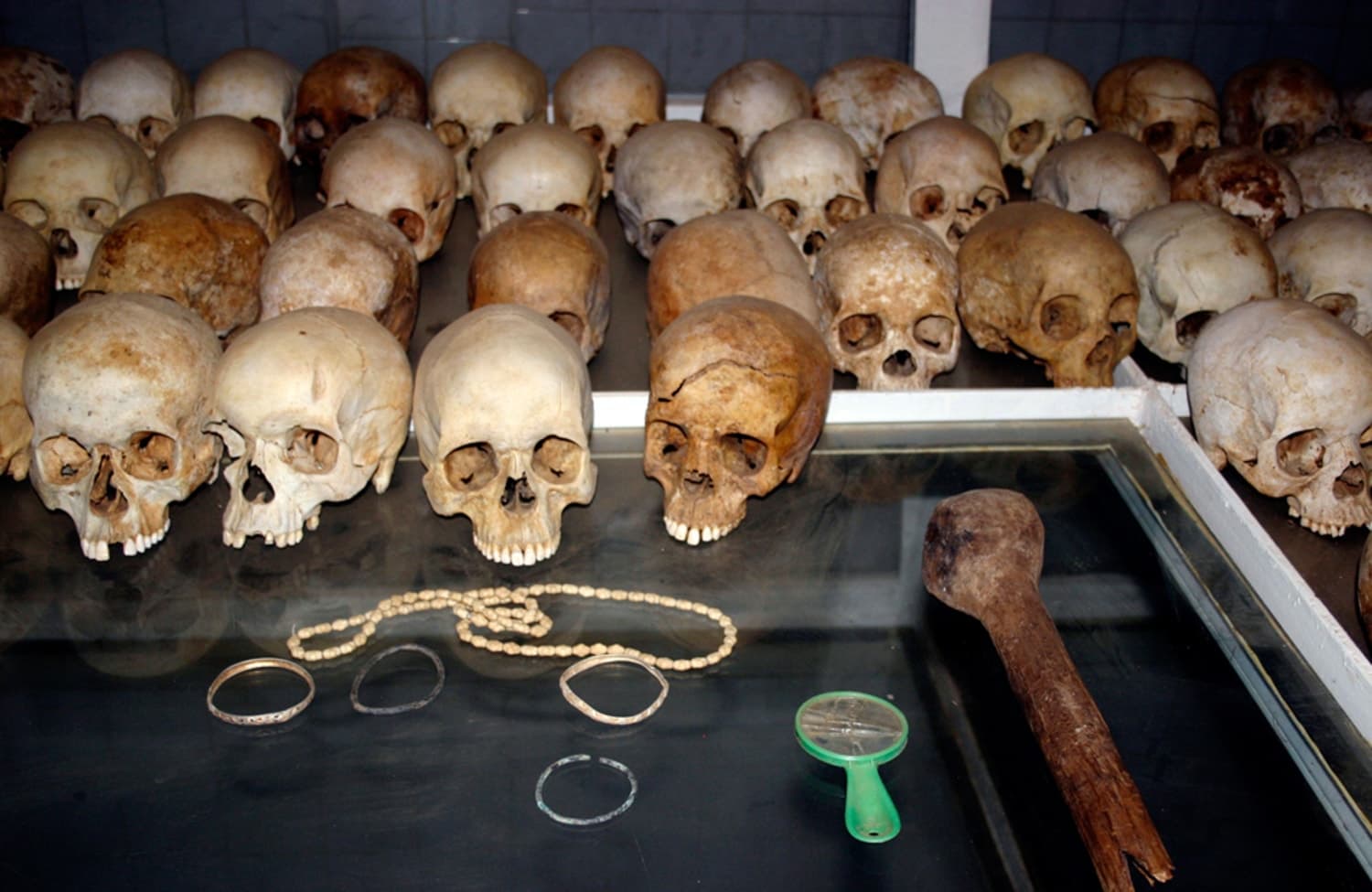
In this context, it is profoundly iniquitous and unacceptable to ask this state to watch with passivity and lethargy as those very individuals who committed the 1994 genocide and who have succeeded in perpetuating its deadly ideology thirty-two years later benefit from the support, funding, rearming, and integration within the regular army of a neighboring country. The DRC thus offers a sanctuary to forces that have never hidden their deliberate intention to destabilize and overthrow the legitimate regime in Rwanda, potentially reducing decades of historic healing and reconstruction efforts to naught.
The Prerequisites for a Sustainable Solution to the Crisis

Military intervention and the establishment of a security zone by Rwanda in eastern DRC respond to a logic of strict vital necessity. However, the lasting stability of the Great Lakes region requires a complete overhaul of regional postures:
- A Sincere and Constructive Dialogue: Regional governments must halt the politics of evasion and engage in frank talks.
- Emancipation from the FDLR: Kinshasa must urgently sever its toxic alliances with genocidal militias, halt their financing, and honestly collaborate in their total eradication.
- The End of Opportunistic Interference: Other regional actors, such as Burundi, must cease using cross-border conflicts for purely ideological or economic motives.
“A state has no limits to impose upon itself when its integrity, institutional stability, and the security of its people are threatened by a rebellion, a third-party state, or foreign armed groups.”
Comments
Join in — no account needed.
No one has replied yet. Start the conversation.