
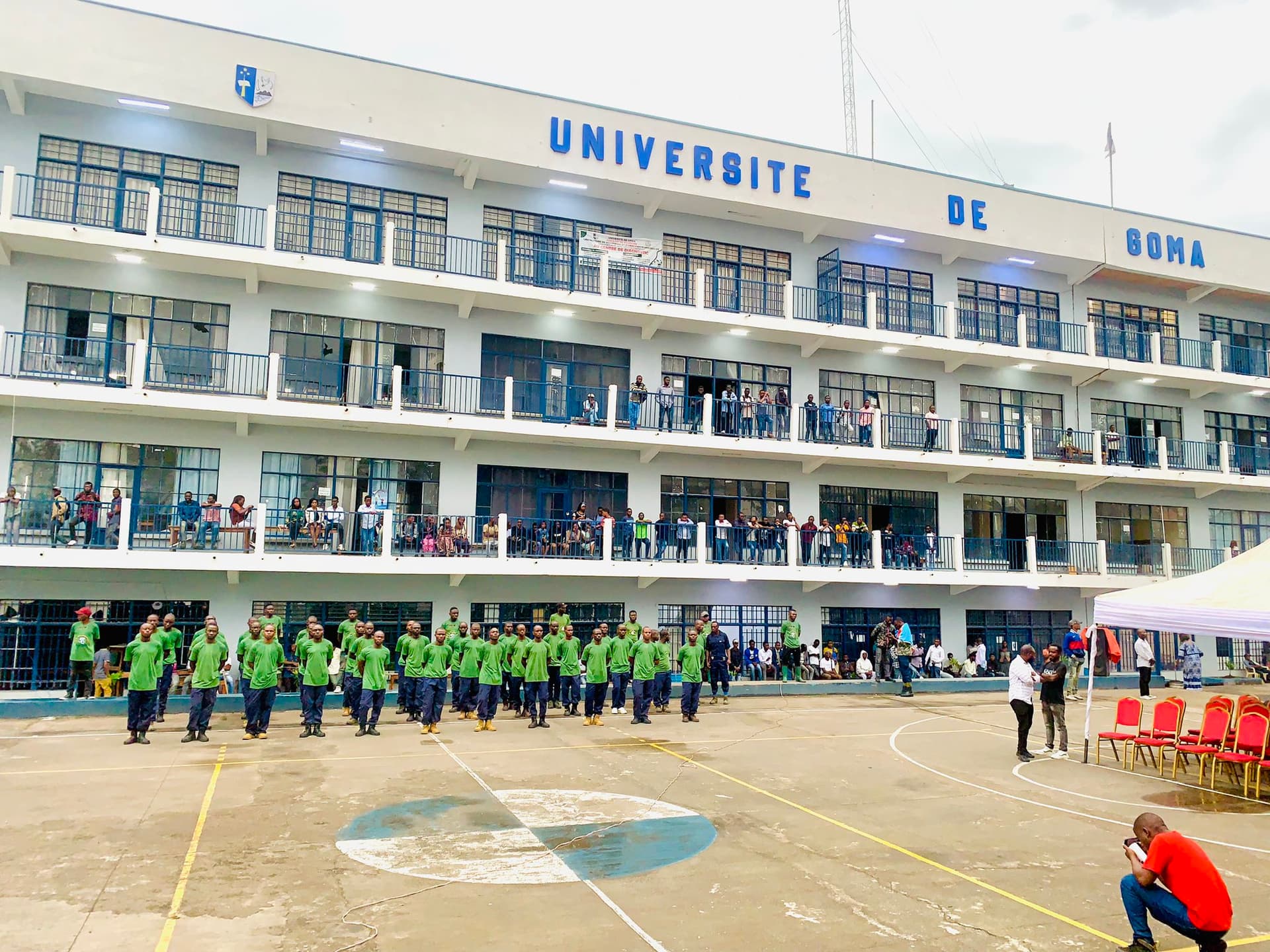
In a decree issued on August 20, 2026, the central government in Kinshasa, through the Ministry of Higher and University Education, enacted sweeping new measures. The first involves suspending the salaries of numerous professors, senior lecturers, and assistants across universities and higher institutes in the Kivu region. The second outright orders the closure of ten higher education institutions.
A broad coalition of political and civil society actors has strongly denounced these measures, viewing them as further marginalization of the Swahili-speaking populations in the east. Critics universally condemned the decision as arbitrary and collective punishment drawing parallels to the recent banking closures with the distinct and damaging consequence of directly compromising the future of Swahili-speaking youth.
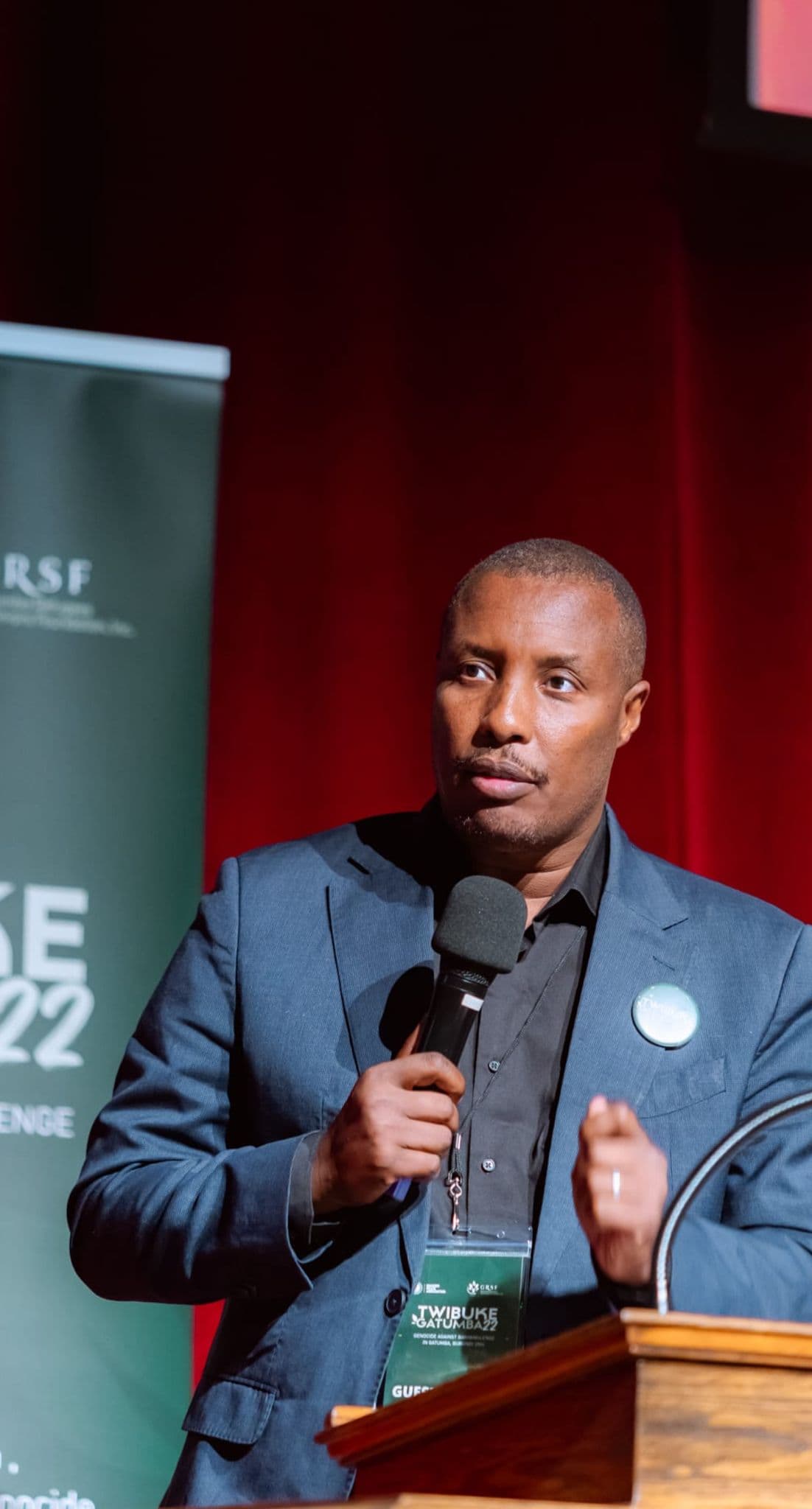
Weighing in on these developments, Professor Dr. Freddy Kaniki, Deputy Political Coordinator of the AFC/M23, took to X (formerly Twitter) to condemn the move as arbitrary and discriminatory
Reaction of Professor Dr. Freddy Kaniki

By virtue of Ministerial Decree No. 239 dated August 20, 2026, the Kinshasa government has ordered the suspension of academic activities across higher and university education institutions in the cities of Bukavu and Goma. Officially, the move is attributed to a "particularly concerning security situation" (sic).
Just as diplomatic mediation efforts are underway to ease tensions, the Kinshasa regime has chosen to open a new front. The population of the eastern DRC already devastated by bombings, the destruction of schools, churches, and hospitals, and the closure of banks now faces a direct assault on the education of their children.
It is glaringly evident that this decision is a direct retaliation against recent administrative appointments designed to fill leadership vacuums left by officials who have been absent for over a year while attempting to manage institutions remotely, thereby causing administrative chaos. Rather than supporting the youth, Kinshasa aims to sow anger and confusion within academic circles. This closure is a deliberate attempt to destabilize the educational sector and provoke social unrest.
Contrary to the regime's claims, the security situation in both cities has actually improved compared to previous months. Nothing save for the bad faith of the authorities in Kinshasa justifies such a suspension, which ultimately deprives local youth of higher education. Did those who authored this decision consider the financial, logistical, and moral toll inflicted on these young people, particularly young women whom they expect to relocate hundreds of kilometers away from their families? This is the tragic outcome when political bias blinds decision-makers and strips them of all moral compass.
Consequently, I seize this opportunity to:
- Calm public anxieties and reassure students: Academic activities will continue as normal.
- Denounce the politicization of education targeting Swahili-speaking children: The youth must remain focused on their studies and refuse to be instrumentally exploited. An educational revolution is underway, and students must stand as proud agents of change rather than spectators or victims.
Comments
Join in — no account needed.
No one has replied yet. Start the conversation.