
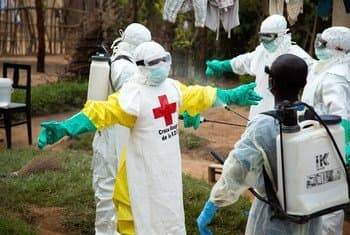

The Democratic Republic of the Congo (DRC) is facing a major epidemic emergency marked by the active circulation of the Ebola virus. Virological analysis confirms the presence of the Bundibugyo strain (BDBV). This pathogenic variant carries an extremely high danger profile, with a crude case fatality rate estimated at between 25% and 50% in the absence of early, appropriate medical care.
On the ground, the situation in Ituri province remains critical. Confirmed cases continue to be recorded and deaths occur regularly within communities. The disease presents as acute febrile syndromes, severe weakness and gastrointestinal disorders, and in severe forms as internal and external haemorrhaging that rapidly threatens patients’ lives through multiple organ failure.
Delayed notification and the failure of disease surveillance
In public health management terms, the epidemic exposes serious institutional shortcomings. Field data indicate that the virus was circulating actively and that the first epidemiological clusters had been reported by local health facilities well before any official response.
It took roughly three months from the actual start of the outbreak for central health authorities to formally acknowledge the crisis and deploy a coordinated response. That three-month lag hampered the early introduction of isolation, contact tracing and disinfection measures, allowing the Bundibugyo strain to take hold in the region.
The epidemiological response rests structurally on the work of frontline medical teams: vaccinators, hygiene officers, laboratory scientists and contact-tracing staff. Yet these health professionals face untenable working conditions because of the Congolese government’s persistent neglect in allocating financial and logistical resources.

The chronic inability of state bodies to pay hazard bonuses regularly and to supply the necessary personal protective equipment (PPE) has driven health workers to strike. The strike is paralysing treatment centres and field operations, nullifying the technical and logistical support provided by the World Health Organization (WHO) and international partners.
Emergency protocols and medical prevention measures
Given continued viral transmission and the fragility of the response chain, strict observance of hospital and community hygiene measures remains essential to break the chain of contamination:
- Isolation of cases: every suspected case must be isolated immediately in an approved treatment centre to prevent transmission within hospitals and households.
- Rigorous hygiene: frequent handwashing with alcohol-based solutions or chlorinated water, and an absolute ban on direct physical contact with patients’ bodily fluids.
- Safe management of the dead: abandoning traditional funeral rites that involve handling bodies, so as to eliminate the major risk of post-mortem contamination.
- Early notification: immediate reporting of any unexplained fever or haemorrhagic sign to medical alert teams.
Comments
Join in — no account needed.
No one has replied yet. Start the conversation.