
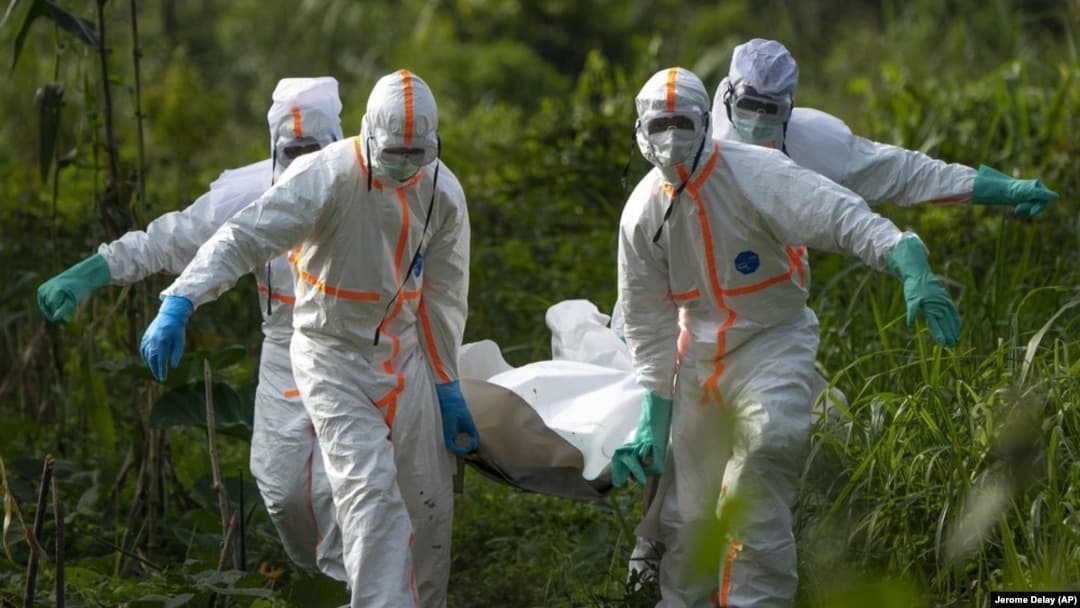
The Democratic Republic of the Congo continues to grapple with a critical flare-up of the Ebola virus disease, affecting the provinces of Ituri, North Kivu, South Kivu, Bas-Uele, Haut-Uele, Tshopo, and South Ubangi.
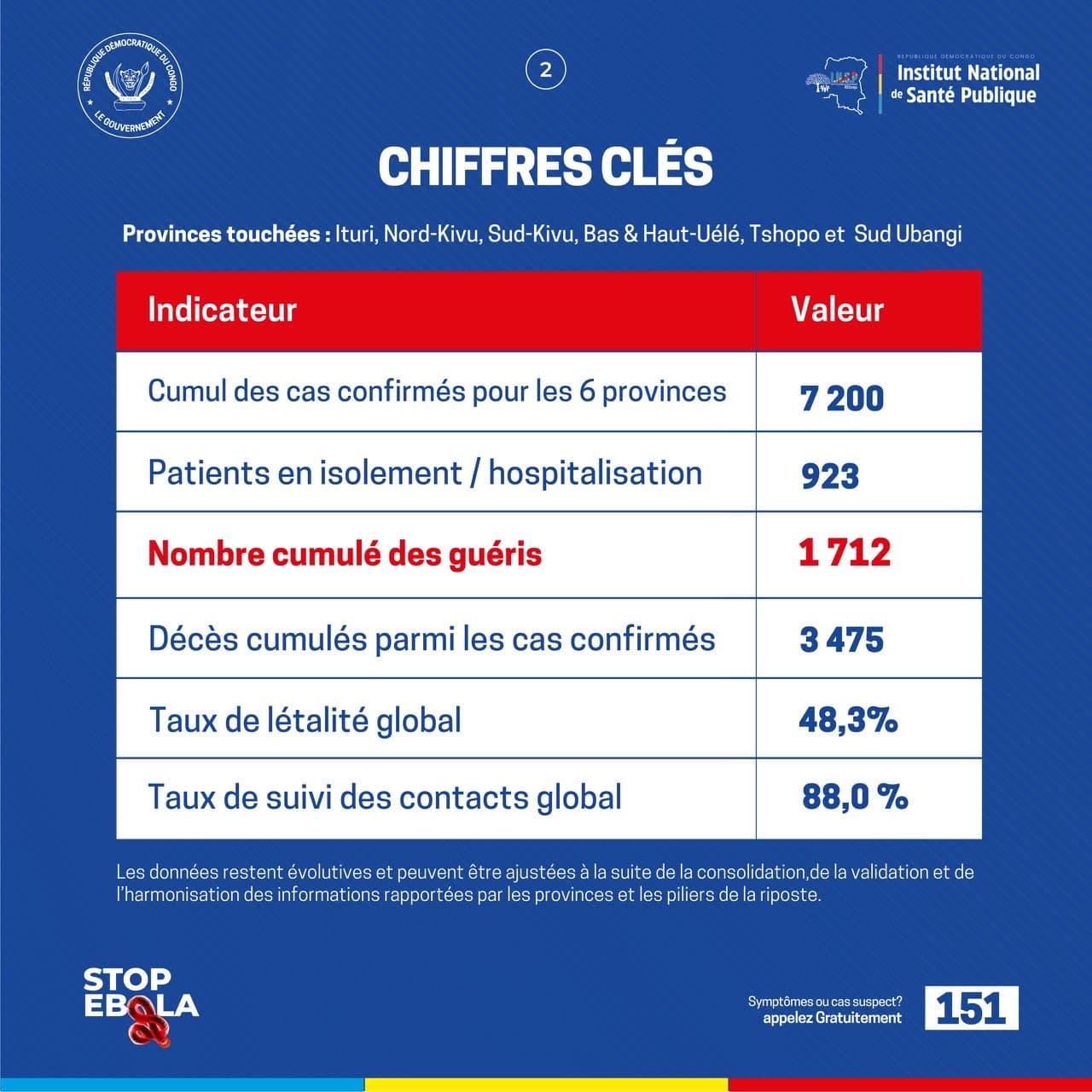
According to updated figures from the National Institute of Public Health, cumulative confirmed cases have reached 7,200, with a total of 3,475 deaths, bringing the overall fatality rate to 48.3%. Additionally, the country records 923 patients in isolation or hospitalisation, 1,712 registered recoveries, and a contact-tracing rate estimated at 88.0%.
The Africa CDC has stated that the peak of the disease has been reached, suggesting a potential stabilisation of the epidemic curve nationwide. This official announcement points towards a slowdown in viral transmission across the affected health zones.
However, on the ground, daily reality sharply contradicts this optimistic outlook. Far from a genuine downward trend, the number of infections and deaths continues to steadily rise.
The World Health Organization (OMS) and various other international bodies maintain sustained support, deploying logistical, medical, and human resources to bolster epidemiological surveillance and patient care.
In contrast to this international commitment, critics note the apparent indifference shown by the Congolese government toward the gravity of the situation.
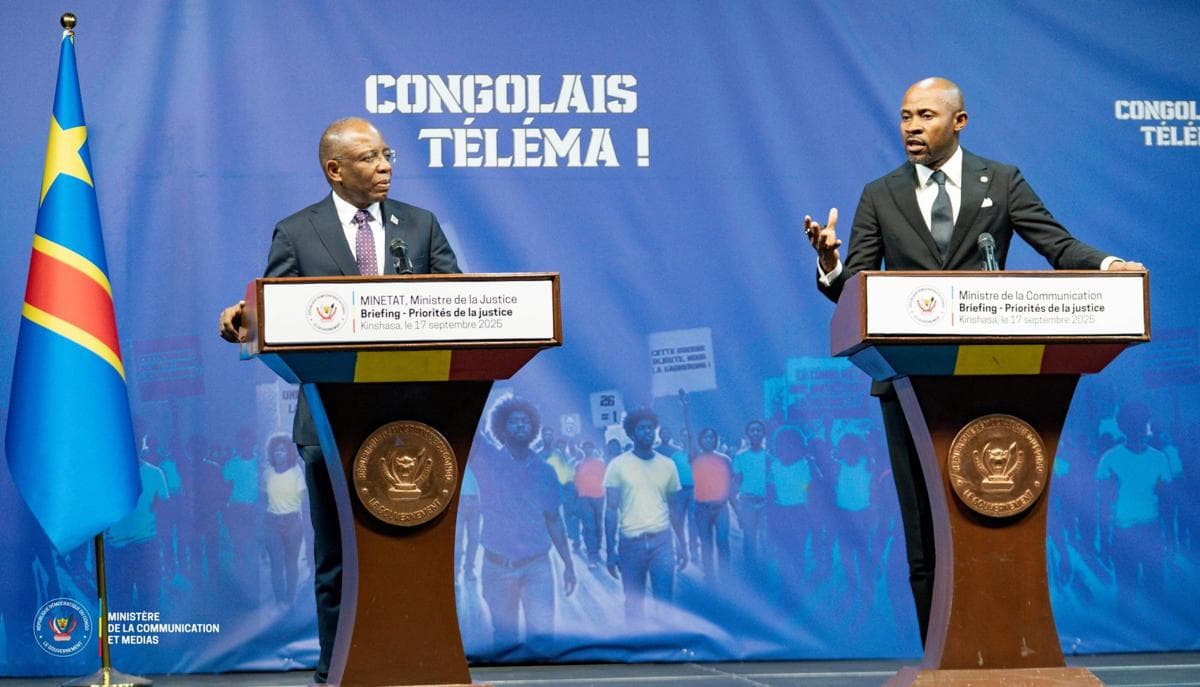
Kinshasa authorities have displayed a desolate apathy, preferring to invest millions of dollars in trivialities and political wheeling and dealing.
This failure is compounded by recurring allegations of embezzlement involving public and international funds earmarked for the Ebola response.
The population has been left to its fate amid an extreme health crisis, facing ruthless politicians obsessed with power and personal enrichment.
Comments
Join in — no account needed.
No one has replied yet. Start the conversation.