
The Trapped Dialogue Wanted by Félix Tshisekedi
Tshisekedi appears intent on controlling the political framework of the dialogue before the military balance of power forces him to alter it. The AFC/M23, on its end, seems to be relying on the ground to achieve tomorrow what it cannot secure today across a table.
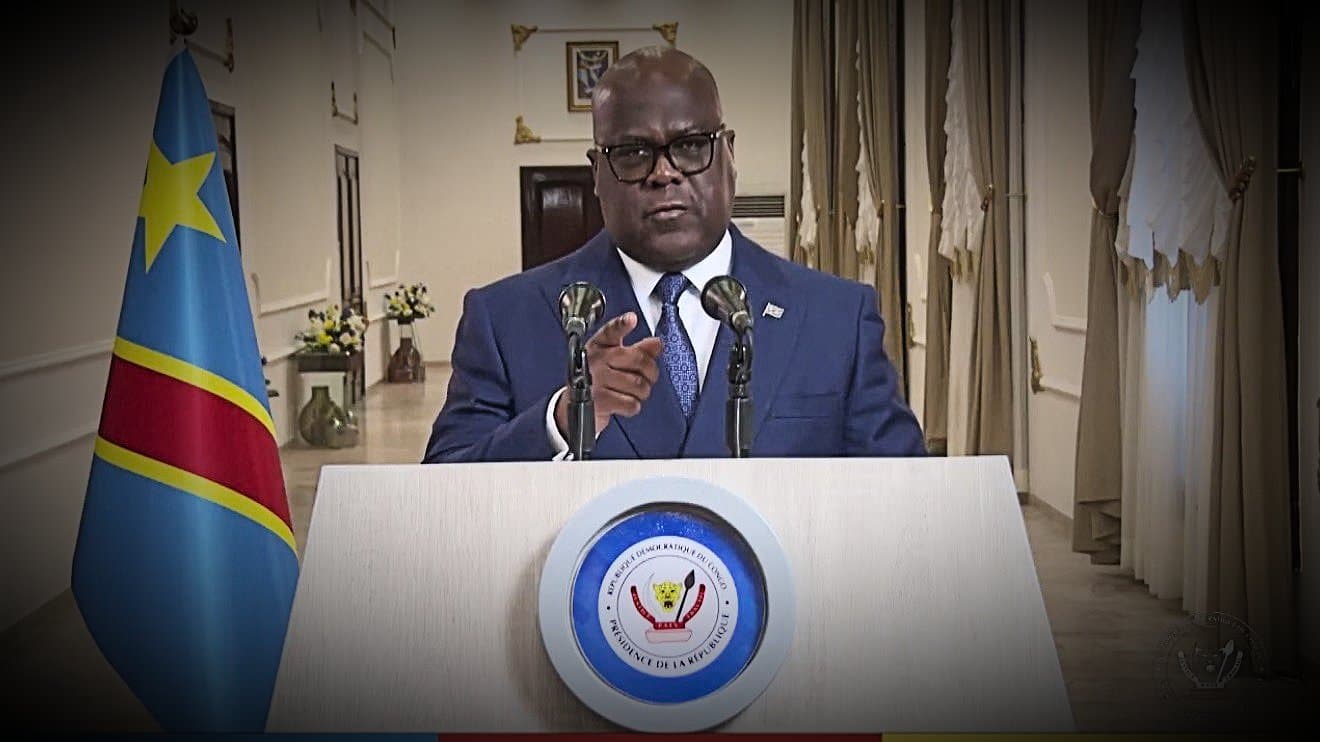
Following pressure from the C64 political opposition coalition and regional negotiations, Congolese President Félix Tshisekedi recently summoned the leaders of religious confessions to inform them of his intention to convene a political dialogue. Yesterday, Thursday, August 27, he addressed the nation for 40 minutes to define the framework and outlines of this dialogue. He has just excluded the AFC/M23 as well as the camp of former President Joseph Kabila whom he accuses of being on Rwanda's payroll while referring the AFC/M23 back to the Doha process.
It must be emphasized that several observers feel this initiative will amount to nothing, as President Tshisekedi himself is an actor and party to the political crisis. He therefore cannot substitute himself as a neutral arbiter to define the contours of the dialogue and select the participants.
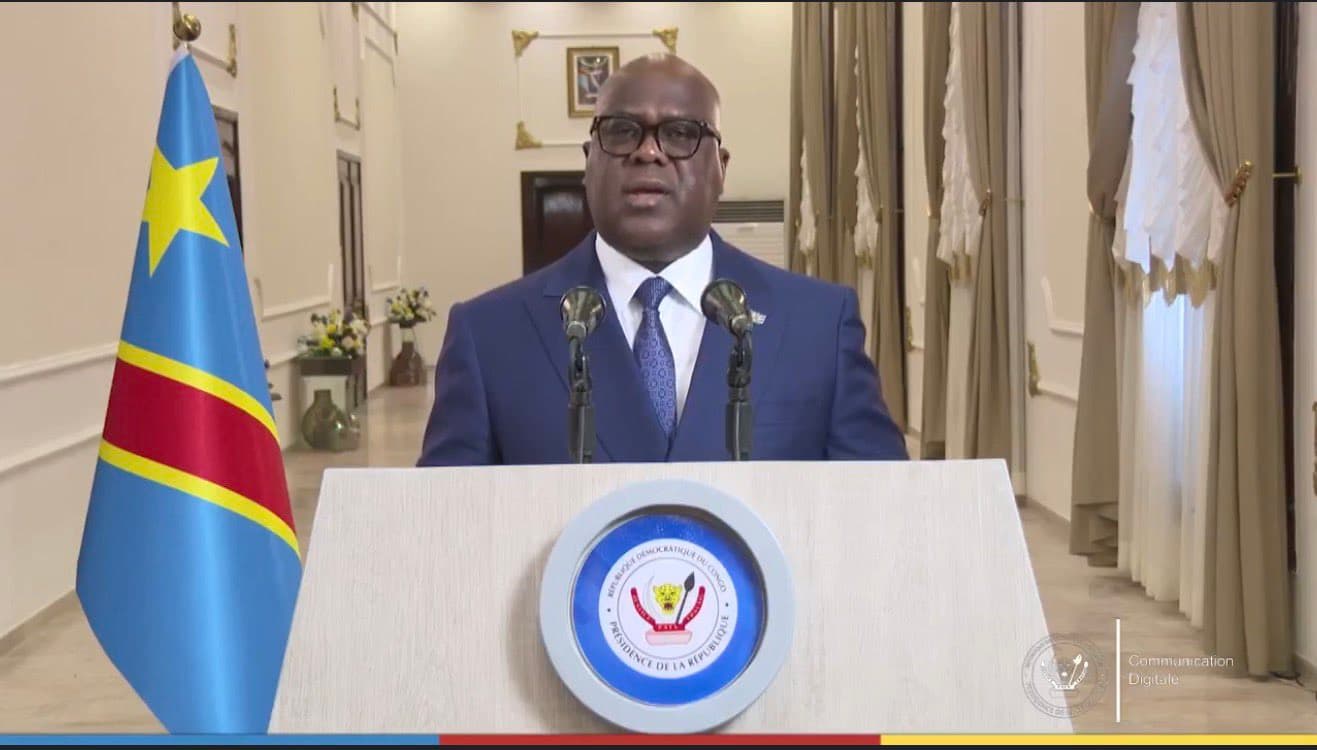
Some believe this is a trap set for the opposition and Congolese society. Félix Tshisekedi is orchestrating a strategy that will ultimately legitimize his plan to amend the Constitution, which his political camp has defended since the beginning of his second term.
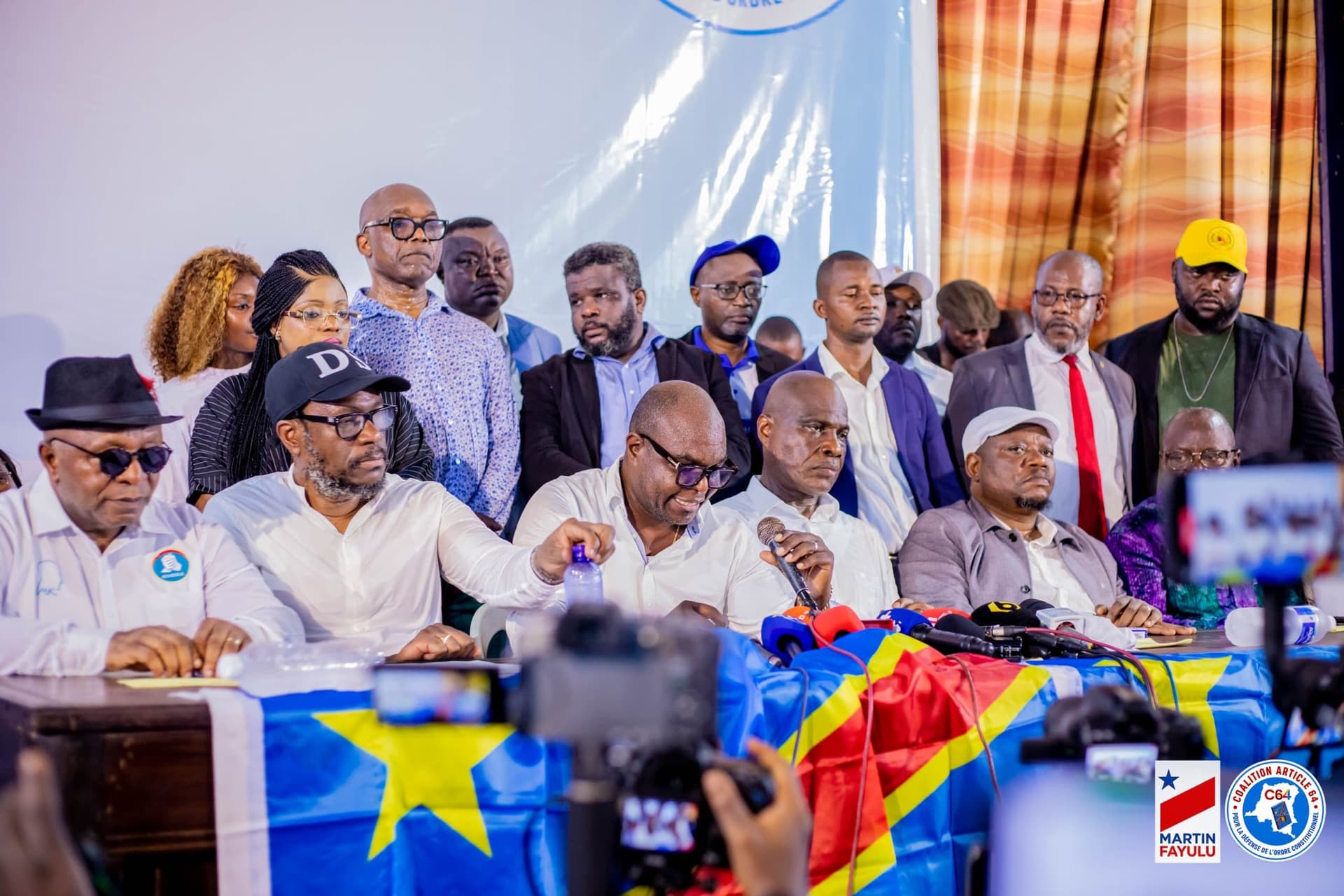
A significant portion of the opposition, including several C64 officials already consulted, rejects the dialogue format as presented. A return of protests to the streets cannot be ruled out if this rejection is confirmed.
An Impossible Arbitration and Compromised Inclusiveness
Tshisekedi excludes the AFC/M23 from the national dialogue: an equation becoming increasingly complicated.
Martin Fayulu, Moïse Katumbi, and Cardinal Fridolin Ambongo had each, in their own way, insisted on the necessity of a truly inclusive dialogue. Martin Fayulu even goes so far as to advocate for the participation of Joseph Kabila and Corneille Nangaa, arguing that the crisis cannot be sustainably resolved without hearing from all stakeholders.
Consequently, a fundamental question arises: what will remain of this dialogue's inclusiveness if some of the main actors in the crisis are excluded from it?
Does Tshisekedi want a genuine national dialogue, with rules defined consensually, or a framework whose limits and participants are self-determined by those in power?
The real issue is therefore no longer just convening the dialogue, but determining who sets its rules, who participates in it, and what legitimacy its conclusions will hold.
Is Tshisekedi Playing for Time?
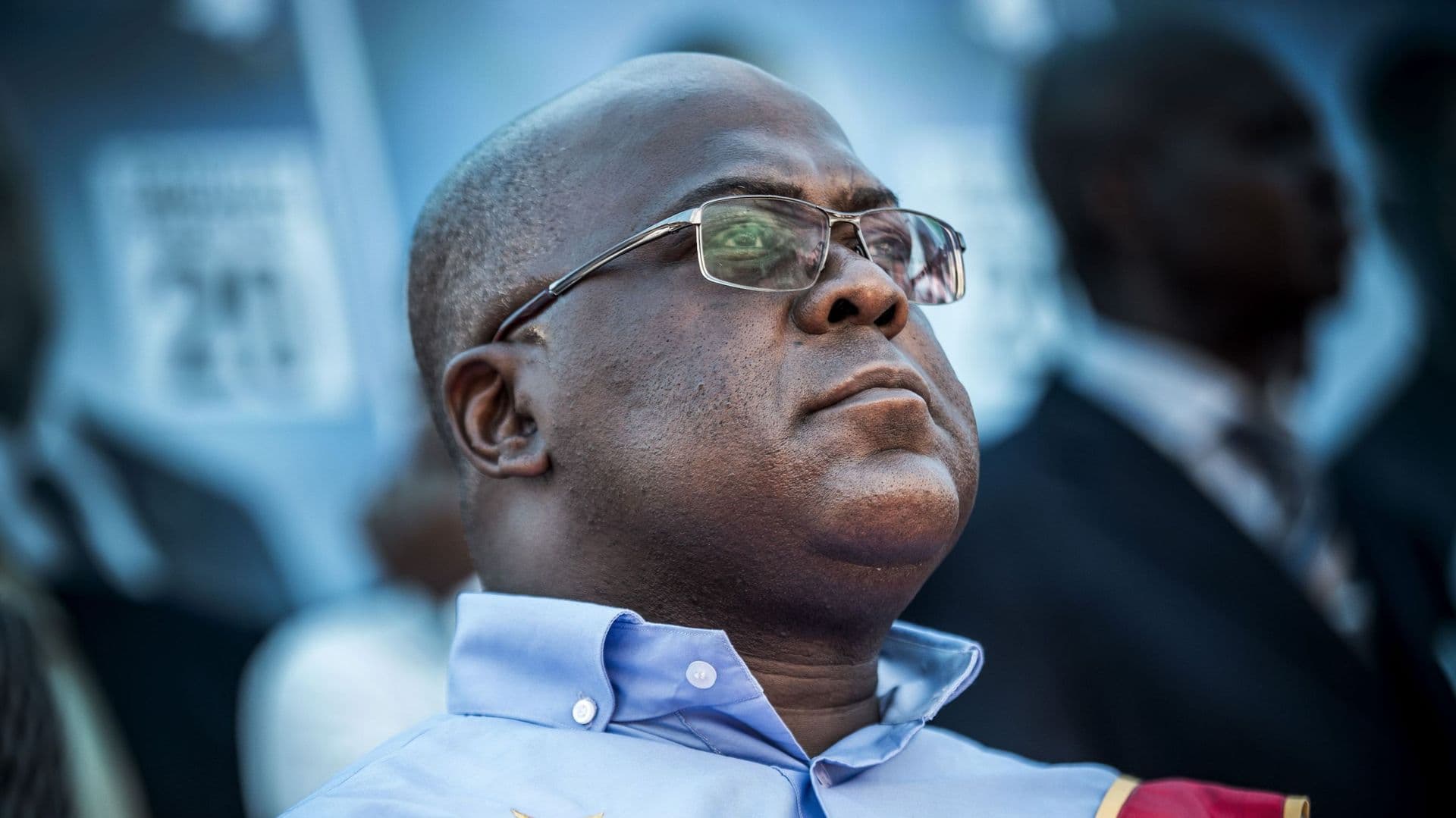
three months ahead of the United States midterm elections which could politically weaken Donald Trump's administration the question of the balance of power in the eastern Democratic Republic of the Congo is becoming more decisive than ever.
Washington had exerted strong pressure on the AFC/M23 to secure its withdrawal from Uvira. But while the US administration attempts to maintain pressure, Kinshasa appears, for its part, to be playing for time. President Félix Tshisekedi has announced the organization of a national dialogue while explicitly excluding the AFC/M23 from this process.
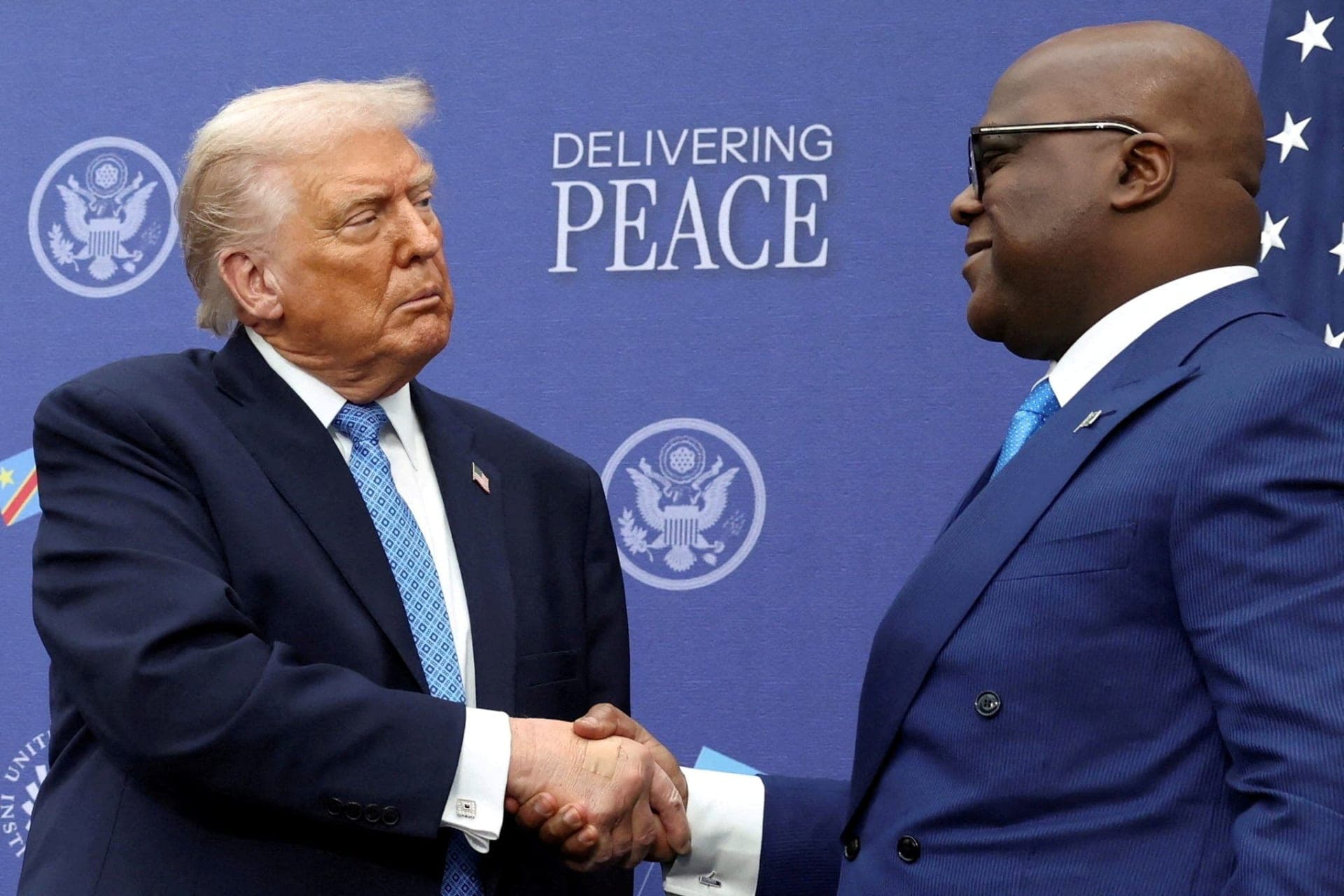
On the ground, military reality risks ultimately imposing its own logic. Because in politics as in peace negotiations, the balance of power remains the primary factor determining positions around the table.
The AFC/M23 already controls several territories and has managed to capture major strategic cities such as Goma and Bukavu. If fighting resumes and military pressure continues, the movement could be tempted to further expand its territorial control. Each new conquest would then reinforce its political weight and its capacity to impose its conditions in any potential dialogue process.
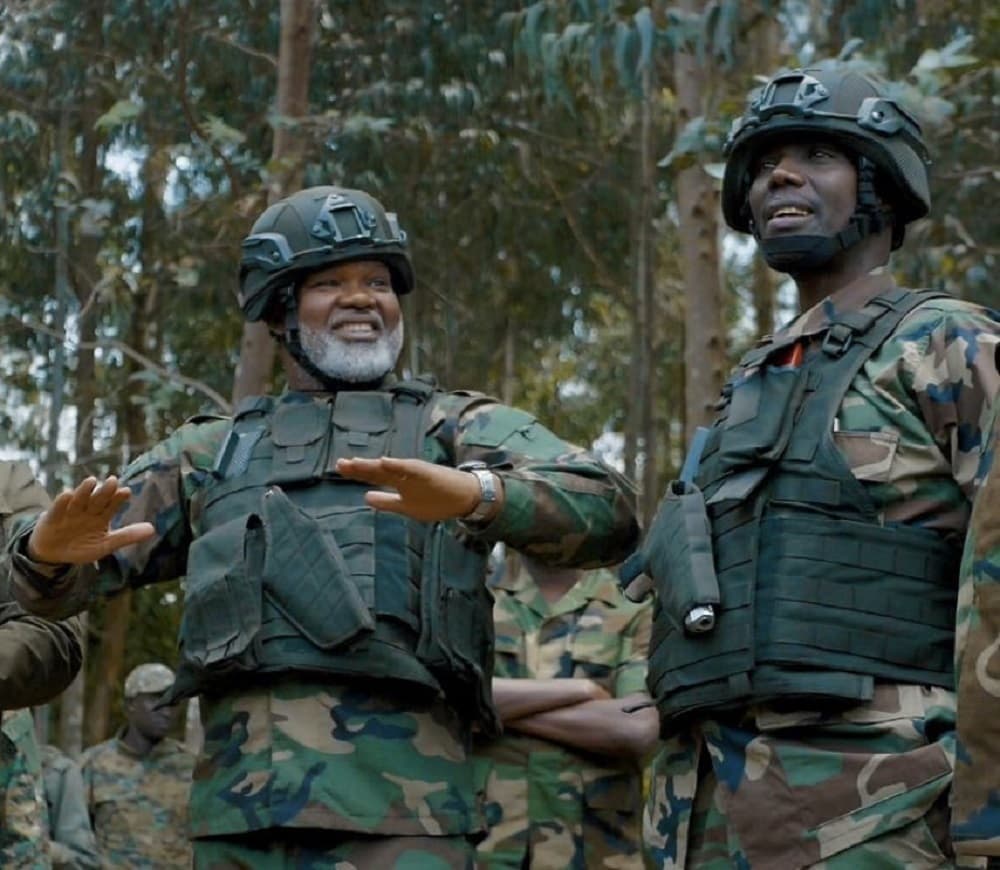
By excluding the AFC/M23 from the dialogue, Kinshasa seeks to uphold the principle that no armed group should be able to obtain political legitimacy through force. At the same time, however, the shifting balance of power on the ground could make this exclusion increasingly difficult to sustain.
In other words, the more ground the AFC/M23 gains, the harder it becomes to ignore them politically.
Kinshasa may downplay the significance of the capture of Goma, Bukavu, and other cities. But these events carry political and military reality. They alter the balances and give the AFC/M23 additional arguments to claim a place in discussions regarding the future of the country and the East in particular.
If the midterm elections weaken the Trump administration, the pressure currently exerted on various protagonists could lose its intensity. The AFC/M23 might then conclude that a strategic window is opening before them. Hence the necessity for Kinshasa not to rely solely on time and an hypothetical evolution in the American position.
Whoever gains ground while the other waits often ends up arriving at the negotiating table with more cards in hand.
the Process's Credibility
In this equation, another force could play a decisive role: the Churches.
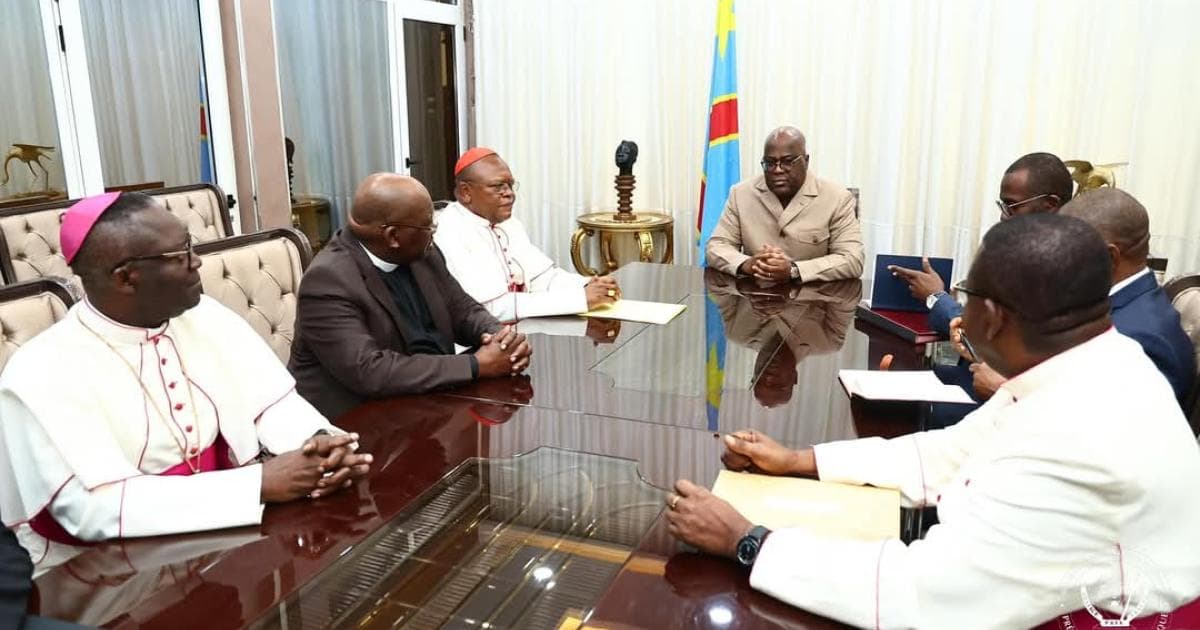
Félix Tshisekedi has managed to place the Catholic Church and the revival churches at the center of the political dynamics surrounding the dialogue. Yet, their participation could also turn into a headache for Kinshasa. These religious actors have previously championed the idea of an inclusive dialogue. How, then, can they defend a genuinely inclusive process while accepting the exclusion of one of the conflict's main protagonists?
If the Churches participate in the process, they will have to answer this contradiction: supporting a national dialogue while accepting that a major actor in the crisis is excluded from it. If they reject this logic, they could instead exert additional pressure on the government to broaden the process.
Ultimately, the true stake today extends far beyond the mere organization of a dialogue. It centers on who will wield enough weight to define its rules, participants, and agenda.
Tshisekedi appears intent on controlling the political framework of the dialogue before the military balance of power forces him to alter it. The AFC/M23, on its end, seems to be relying on the ground to achieve tomorrow what it cannot secure today across a table.
The question is therefore no longer just whether there will be a dialogue.
The real question is: who will impose the conditions of this dialogue when the guns fall silent?
And if the balance of power continues to shift in favor of the AFC/M23, Kinshasa might discover that playing for time is not always a winning strategy. Sometimes, it is simply giving the adversary time to strengthen its position.
Clearly, the dialogue desired by Félix Tshisekedi bears no resemblance whatsoever to a process aimed at addressing the root causes that have hindered the DRC's takeoff and development since its accession to independence in June 1960.
Comments
Join in — no account needed.
No one has replied yet. Start the conversation.