
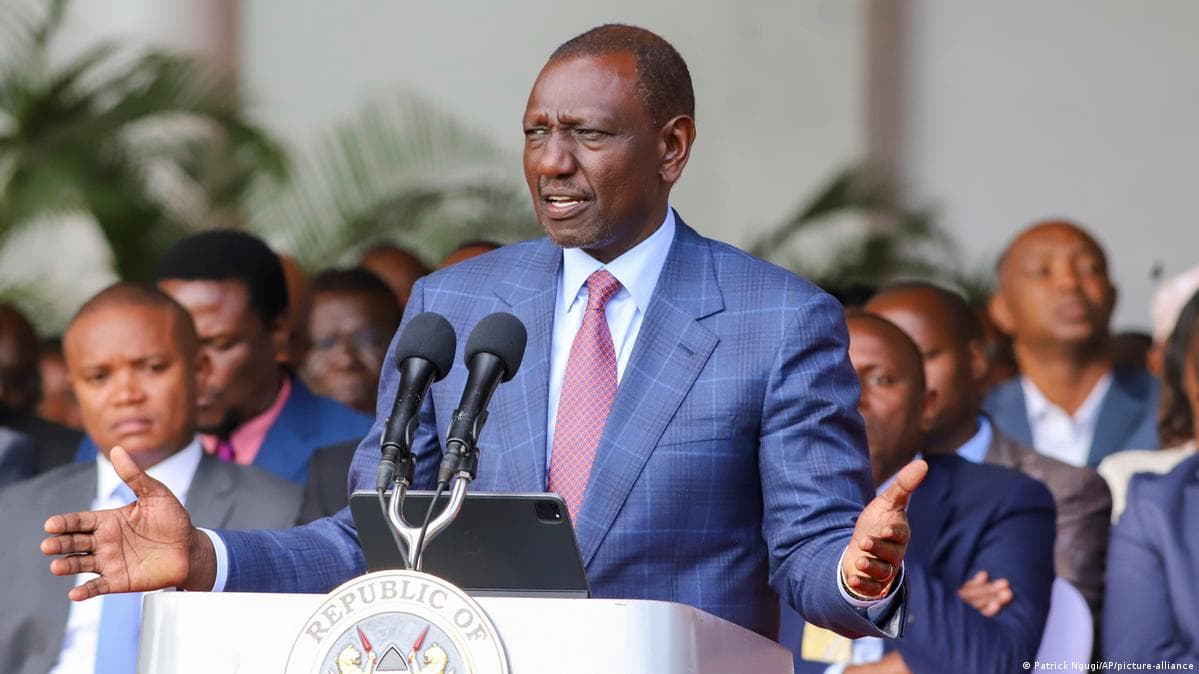
Kenya: Concern and Panic Within the Burundian Community Following President William Ruto's Statements
Deprived of a future in their own homeland by endemic corruption and leadership indifference, Burundians are increasingly left with no option but to seek a life elsewhere rather than face an indefinitely uncertain tomorrow.
On September 2, 2026, Kenyan President William Ruto ordered the closure of small businesses and stalls operated by foreigners.
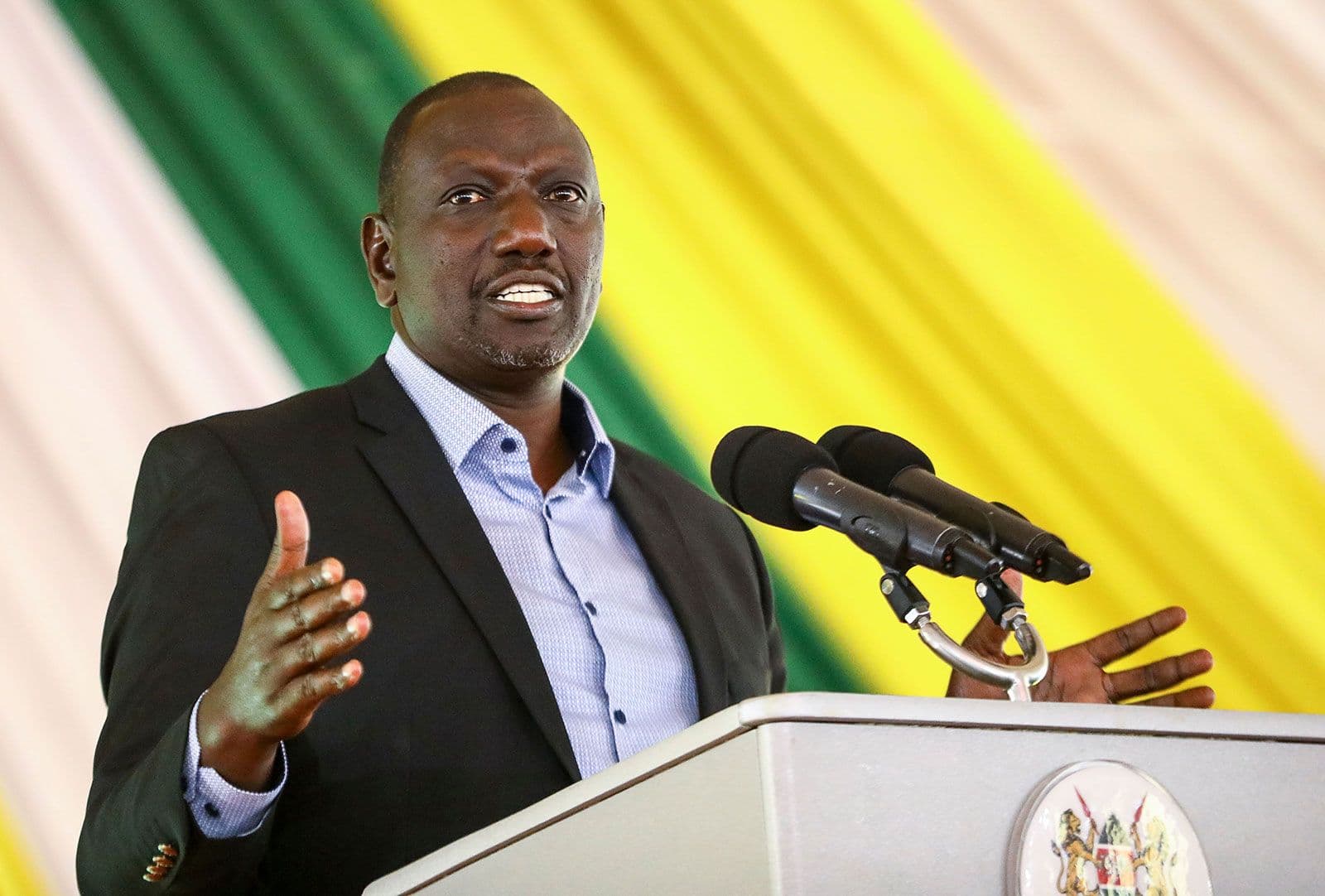
William Ruto demanded that foreign nationals operating small enterprises or working as street vendors shut down their businesses, asserting that these informal economy activities must be reserved exclusively for Kenyan citizens.
The directive set an enforcement deadline of Monday, September 7, 2026, for this commercial restriction measure.
The head of state also promised to fast-track the review of legislative framework formally banning non-nationals from accessing certain retail sectors.
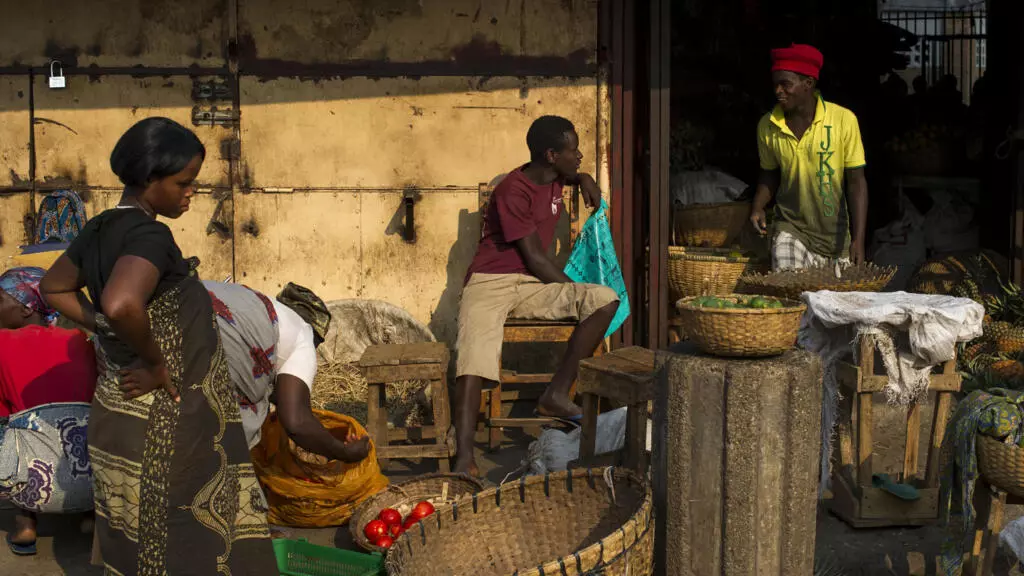
These statements triggered panic among the foreign community, particularly numerous Burundian nationals highly active in Nairobi's proximity trade, some of whom have expressed a desire to leave the country out of fear of reprisals.
Several individuals reported that they have indeed been facing backlash from Kenyan merchants since President William Ruto's remarks.
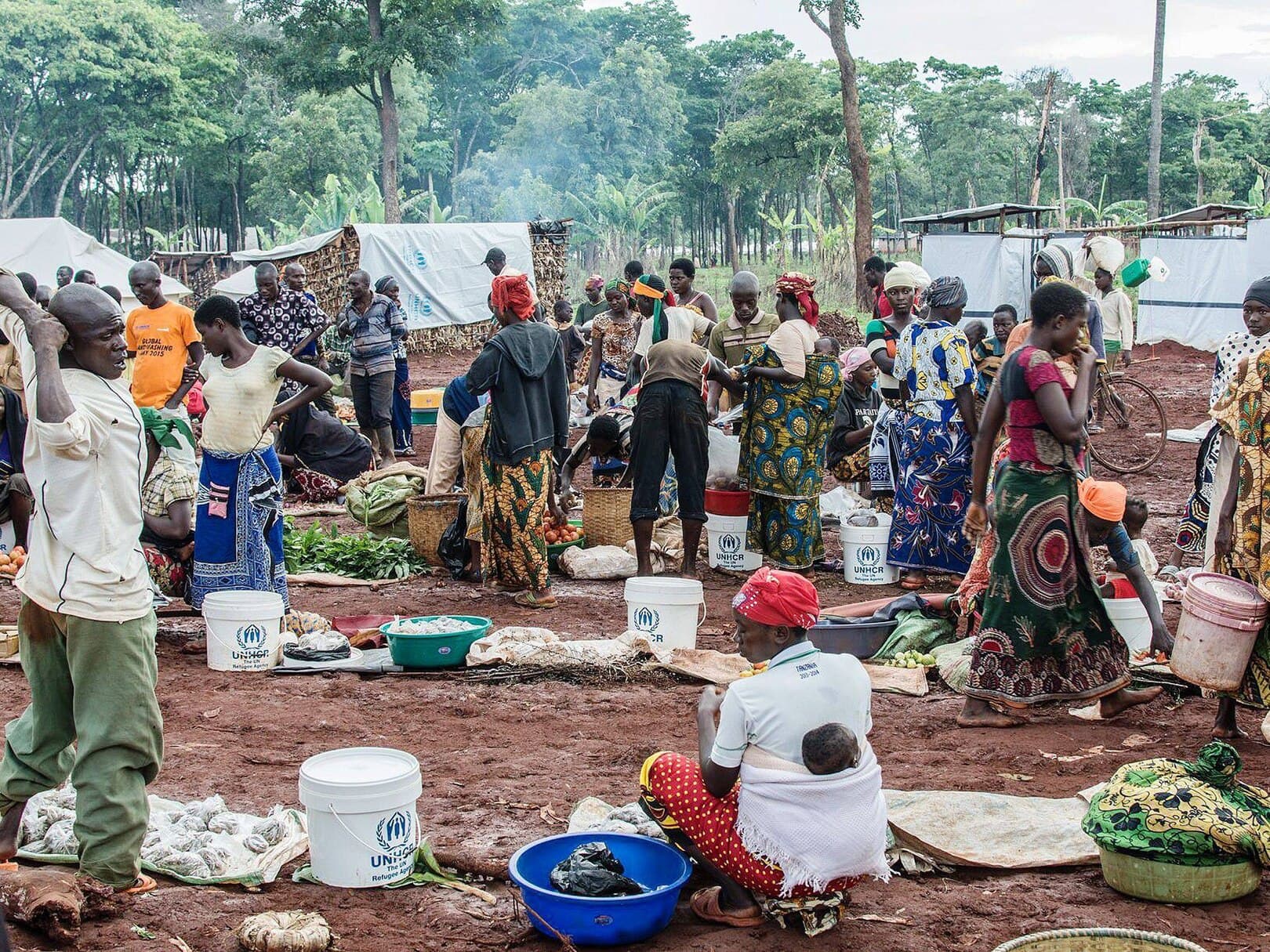
As a reminder, Burundi is the poorest country in East Africa. Its political instability has driven many thousands of its nationals to seek asylum and refuge among neighboring countries and other East African nations, particularly Rwanda, Tanzania, and Kenya.
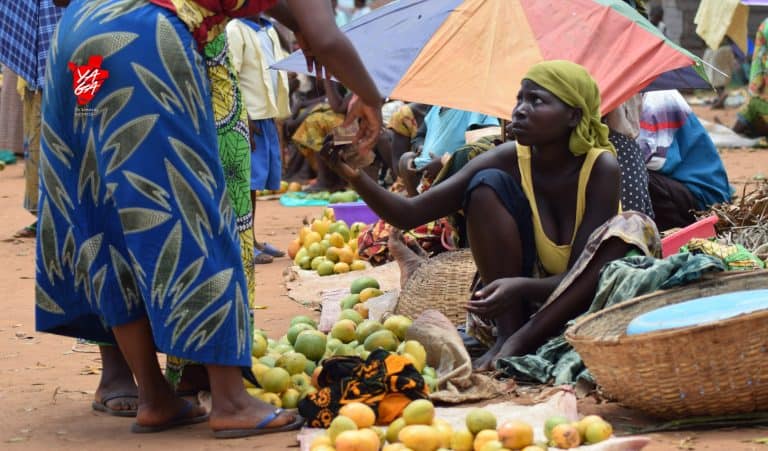
An estimated 150,000 Burundian refugees and asylum seekers are distributed across these three countries, including 16,000 in Kenya, all of whom survive through petty trade and street vending.
Reactions and Regional Context
Several human rights organizations condemned the directive, arguing that it fosters xenophobic profiling and unduly stigmatizes migrants.
Some observers drew parallels with the xenophobic campaign shaking South Africa against African migrants.
Faced with the controversy, the Kenyan Ministry of Foreign Affairs sought to defuse the situation by clarifying that East African citizens remain welcome provided they strictly comply with existing legislation, citing a misunderstanding regarding unregistered businesses.
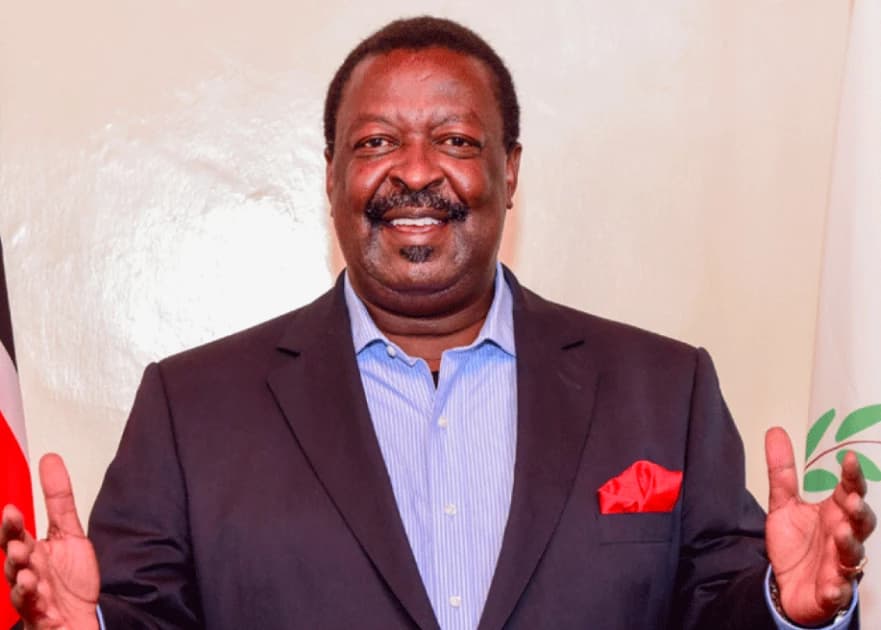
Above all, this situation highlights the grim picture of governance and socioeconomic conditions in Burundi. Alongside its neighbor the Democratic Republic of Congo (DRC), it takes the lion's share in terms of the number of nationals fleeing their country to seek refuge elsewhere, primarily for economic, political, and security reasons.

The CNDD-FDD (National Council for the Defense of Democracy – Forces for the Defense of Democracy) ruling party in the country appears to invest more in regional turmoil, tensions, and disputes than in pursuing the well-being of its people, thereby forcing its citizens to wander here and there in search of survival.
“Deprived of a future in their own homeland by endemic corruption and leadership indifference, Burundians are increasingly left with no option but to seek a life elsewhere rather than face an indefinitely uncertain tomorrow.”
Comments
Join in — no account needed.
No one has replied yet. Start the conversation.